







For many, Thanksgiving means turkey and football. For others, it means tuning into an 18-minute folk song about taking out the trash. The 1969 film it inspired, 'Alice's Restaurant', is a cinematic time capsule of rebellion and community.
The Song That Started It All
Before there
was a film, there was 'Alice's Restaurant Massacree', Arlo Guthrie’s sprawling, 18-minute talking blues epic. Released in 1967, it recounts the mostly true story of a Thanksgiving Day adventure in 1965. Guthrie, son of folk legend Woody Guthrie, spent the holiday with friends Alice and Ray Brock in their converted church home in Stockbridge, Massachusetts. After a massive Thanksgiving dinner, Guthrie and a friend decided to be helpful and take a load of garbage to the town dump, only to find it closed for the holiday. Their fateful decision to dump the trash down a hillside led to an arrest for littering, an absurdly serious court appearance, and a criminal record. The song, with its deadpan humor and looping chorus, became an underground hit and a staple on progressive FM radio stations, especially around Thanksgiving.
From Petty Crime to Potent Protest
The song's genius, and the film's central conflict, is how it connects this minor offense to the biggest issue facing young men in the 1960s: the Vietnam War draft. The narrative pivots when Guthrie faces his induction physical. There, his criminal record for littering makes him questionably fit for military service. Guthrie satirized the bureaucratic absurdity: a government that might send him to kill abroad was concerned with his moral character because of some garbage. This ironic twist transformed a shaggy-dog story into a potent anti-war anthem that resonated deeply with the counterculture. It wasn't just a funny song; it was a protest against hypocrisy and a celebration of using the system's own absurd logic against itself.
Arthur Penn's Bittersweet Vision
Hot off the success of 'Bonnie and Clyde', director Arthur Penn saw the cinematic potential in Guthrie's ballad. But instead of a straightforward comedy, Penn and co-writer Venable Herndon created a much more melancholy and atmospheric film. Arlo Guthrie plays himself, but the movie expands beyond the song's plot, creating a portrait of the era's hopes and disillusionment. The film explores the communal life at Alice and Ray's church, touching on free love, drug use, and the search for a different way of living. It doesn't romanticize the hippie dream, instead showing the cracks in the utopia, including Ray's jealousy, the tragic death of a friend from an overdose, and the slow erosion of the community's ideals. The result is less a celebration and more an epitaph for a fleeting moment.
An Unlikely Thanksgiving Classic
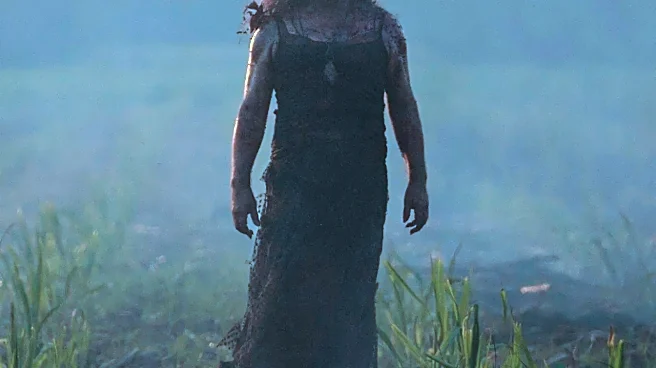
So why does a film with such a bittersweet, often somber, tone endure as a Thanksgiving tradition? Because at its heart, it's about the very things the holiday celebrates, just viewed through a different lens: community, gratitude, and the idea of a 'found family'. The Thanksgiving dinner at the church is a gathering of like-minded outsiders who have created their own home. The film captures a generational yearning for belonging outside of traditional structures. The annual radio broadcast of the song and the viewing of the film have become a ritual for those who see Thanksgiving as a time for both gratitude and a healthy dose of anti-authoritarian sentiment. The film’s famous final shot, of Alice standing alone on the church steps, is a haunting image of a dream's end, yet the story's rebellious spirit is what has kept it relevant for decades.