





The Spectacle of Pitti Uomo
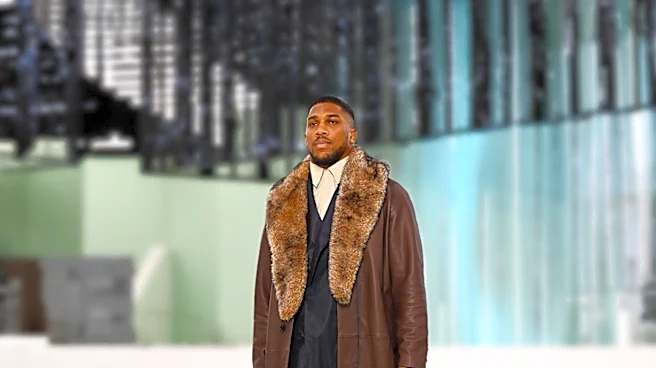
Before we talk about shoes, you have to understand the scene. Pitti Uomo is technically a menswear trade show, a place where brands show off next year’s collections to buyers. But over the last two decades, it’s become something else entirely: the unofficial
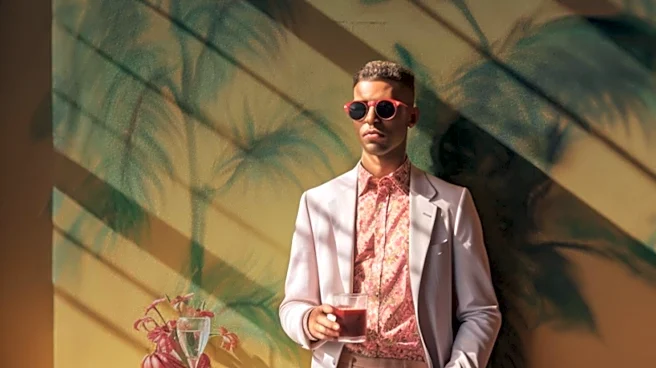
Olympics of street style. Photographers swarm the fortress grounds, capturing the meticulously crafted outfits of editors, buyers, and influencers, often called “Pitti Peacocks.” The prevailing aesthetic is a uniquely Italian concept called “sprezzatura”—a studied carelessness. It’s about looking perfect, but as if you just threw it on. Think lightweight linen suits in cream or sky blue, worn with an unbuttoned shirt, a rakishly tied scarf, and no socks. It’s a look that’s easy to get wrong. Go too far, and you look like you’re in a costume. Don’t go far enough, and you just look sloppy. This delicate balance is where the right shoe becomes not just an accessory, but the key to the entire puzzle.
Identifying the Hero: The Humble Loafer
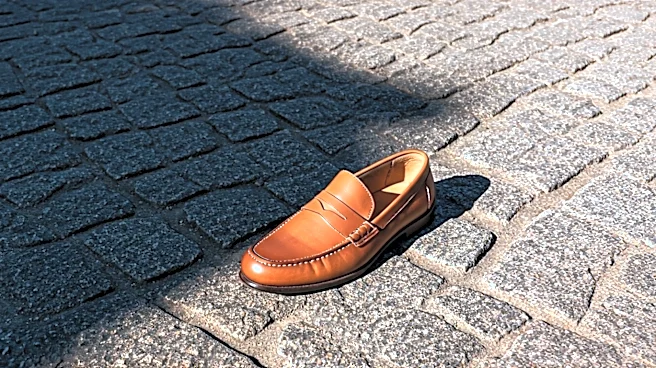
So what is this magic bullet? It’s not a flashy, jewel-encrusted slipper or a futuristic, thousand-dollar sneaker. It’s the loafer. More specifically, a well-made, elegantly shaped loafer, often in suede or unlined leather. Whether it’s a tassel loafer, a classic penny, or the more refined Belgian model, this is the shoe that dominates the cobblestones of Florence. In a sea of loud patterns, bold colors, and aggressive tailoring, the loafer is the ultimate anchor. Its power lies in its versatility. It’s dressy enough to complement a suit but relaxed enough for the sockless, sun-drenched Italian setting. In materials like tobacco suede or dark brown calfskin, it adds a touch of earthy texture that prevents a sharp suit from feeling too corporate or stuffy. It’s a shoe that says, “I understand the rules of classic menswear, and now I’m going to bend them with confidence.”
The Art of the Anchor
Why does it work so well? Because the Pitti Uomo look is often a balancing act between formal and informal elements. You might have sharply pleated, high-waisted trousers—a formal element—paired with a casual knit polo shirt. Or a double-breasted blazer worn over a simple t-shirt. This high-low mix can feel disjointed if the footwear is wrong. Put on a pair of formal lace-up oxfords, and the outfit suddenly feels confused and uptight. Wear a pair of casual boat shoes, and the tailoring loses its authority. The loafer is the perfect bridge. It’s a slip-on, connoting ease and leisure, but its structured shape and leather construction connect it to the world of classic dress shoes. It’s the piece that tells your brain the entire outfit is intentional. It grounds the peacocking, giving the wearer a solid foundation from which to experiment. Without it, many of the most photographed outfits at Pitti would simply fall apart.
Bringing the Pitti Principle Home
You don’t need to be strolling through a Florentine piazza to make this work. The principle is universal: a great shoe gives you permission to be more ambitious with the rest of your outfit. For the average American guy, this is a powerful style lesson. That pair of well-made suede loafers you invested in can elevate a simple weekend look of dark denim and a good t-shirt. They can make tailored shorts and a linen button-down look intentional and chic, not like you just came from the beach. They are the perfect partner for chinos and a polo at a summer barbecue, making you look put-together without appearing to try too hard. The loafer is the ultimate summer style hack. It’s a single purchase that can upgrade dozens of combinations already sitting in your closet, giving you that touch of sprezzatura, no passport required.