

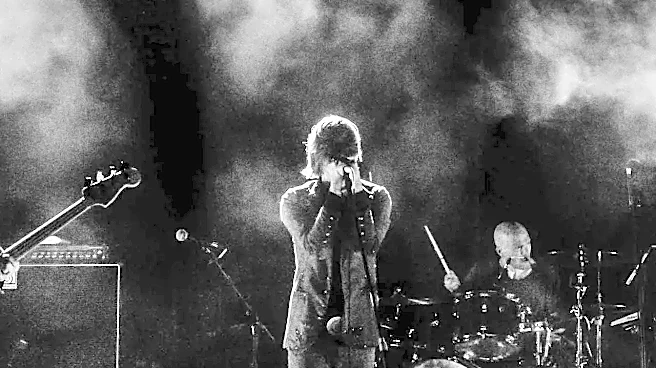

The Festival Attention Economy
A music festival is a frantic exercise in resource management. With dozens of artists playing across multiple stages, your time and attention are the most valuable commodities you have. Every minute an artist spends on a meandering monologue is a minute you could
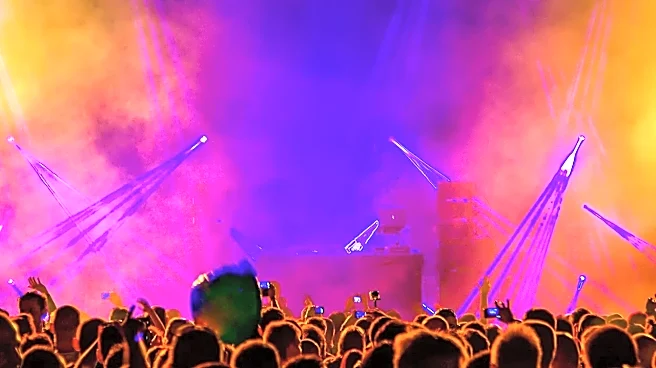
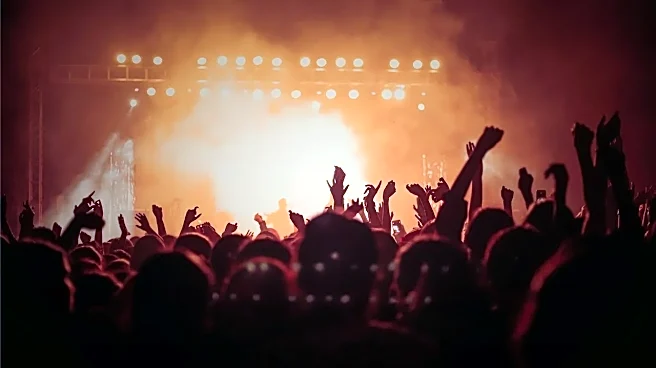
be spending sprinting across a field to catch the start of another, more punctual set. The Austin City Limits audience, a diverse mix of seasoned festival-goers and casual fans, understands this math implicitly. They are navigating a packed schedule in often-brutal Texas heat, and their patience for filler is paper-thin. An artist who delivers a tight, propulsive set isn't just being professional; they're showing respect for the audience's investment. This creates an unspoken contract: deliver the goods without delay, and the crowd will give you their undivided, ecstatic energy. Fail to do so, and you'll see a slow, steady trickle of people heading for the exits, or worse, pulling out their phones.
Masters of Musical Momentum
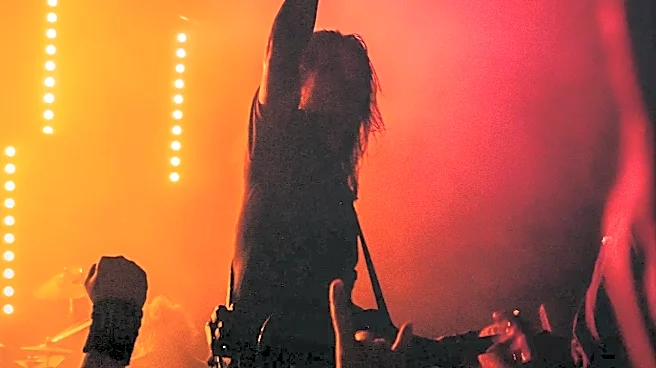
The true headliners of the festival circuit are often masters of momentum. Think of acts known for seamless transitions and relentless energy, where the music itself tells the story. In a review of a recent ACL, Chris Stapleton was praised for focusing on delivering hit after hit, minimizing talk to maximize the musical journey. This is a stark contrast to artists who feel the need to explain every song or engage in rehearsed-feeling banter. When an act like The Backseat Lovers delivers a set that sounds nearly identical to their polished recordings, or when Cage The Elephant’s Matt Shultz uses pure physicality instead of words to electrify a crowd, the impact is undeniable. These performers understand that at a festival, the most powerful connection is forged through a shared sonic experience, not a one-sided conversation. The reward is a crowd that is not just listening, but is completely captivated, moving and breathing with the performance.
When a Little Banter Goes a Long Way
This isn't a total prohibition on speaking. The argument isn't for robotic, silent performances. A well-placed, genuine moment of connection can elevate a set from great to legendary. When a band like Cannons expresses heartfelt gratitude, sharing that they've been together for a decade and that playing for such a large crowd is a dream realized, it deepens the audience's appreciation. The key is purpose and brevity. A quick “How are you feeling, Austin?” or a sincere “Thank you for being here” acknowledges the shared space and makes the massive festival feel intimate for a fleeting second. The problem arises when banter is used as a crutch—to fill time during technical difficulties, to pad a short set, or to deliver a lecture. Experts on stagecraft agree: keep stories short, don't feel the need to introduce every single song, and be able to read the room. An audience will grant you a moment for a story, but not an entire chapter.
The Austin City Limits Litmus Test
Austin City Limits, with its roots in a public television show renowned for its focus on pure musical performance, is a particularly potent testing ground for this ethos. The festival attracts a musically knowledgeable crowd that spans generations, from older fans who bring chairs to appreciate the artistry to younger attendees ready to dance. This audience doesn't need to be sold on the music; they came specifically for it. Unlike a club gig where an artist might need to win over a chatty room, the ACL crowd is already primed to listen. Therefore, artists who lean into their musicianship, like the intricate guitar work of Rodrigo y Gabriela or the genre-bending creativity of an act like Fakemink, are often the most memorable. They honor the festival's legacy, which has always been about spotlighting peerless musical acts. In this environment, substance will always triumph over style, and a killer guitar solo will always resonate more than a poorly told joke.