
The Problem with Chasing Trends
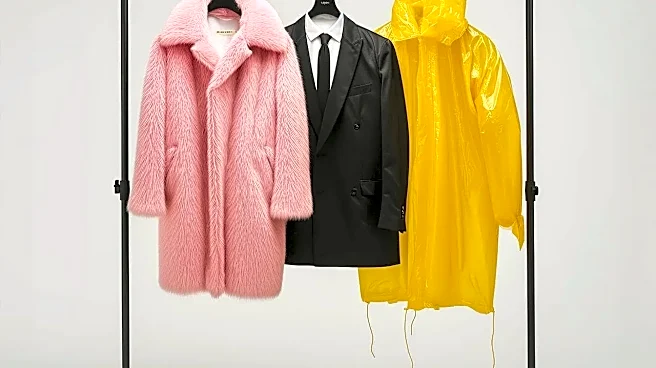
For women 5-foot-4 and under, trendy items often cause more problems than they solve. Standard sizing is designed for taller frames, meaning what looks effortlessly chic on a runway model can easily overwhelm
a petite figure. Sleeves are too long, waistlines hit at the wrong spot, and oversized silhouettes designed for a taller person can swallow a smaller frame. This is why focusing on timeless principles of fit matters more than adopting the latest craze. It’s not about size, but proportion. A wardrobe built on a solid foundation of well-fitting pieces provides more confidence and longevity than a closet full of ill-fitting trends.
Principle 1: Master Your Proportions
The secret to dressing a petite frame is creating long, clean vertical lines. One of the most effective ways to do this is with high-waisted bottoms, whether they are trousers, skirts, or jeans. Tucking in your top—even a simple knit shell—instantly defines your waist and elongates your lower body. Another powerful technique is monochromatic dressing. Wearing a single color from head to toe creates an unbroken visual line that adds the illusion of height. Cropped jackets and blazers are also a petite woman's best friend. A blazer that ends at your natural waist or just above the hip highlights your proportions perfectly, especially when paired with dresses or high-waisted pants.
Principle 2: Choose the Right Silhouettes
Not all cuts are created equal. For dresses and skirts, styles that define the waist are key. Look for A-line, wrap, or fit-and-flare dresses with hemlines that hit at or just above the knee. This prevents the garment from cutting your leg line at an awkward spot. When it comes to pants, cropped styles can be incredibly flattering, provided the inseam is right for your frame. Look for cropped wide-leg or straight-leg pants with a petite-specific inseam (often around 23-25 inches) that ends just above the ankle. Pointed-toe flats or heels can further lengthen the leg line, making this silhouette a polished choice for the office.
Principle 3: Prioritize Fabric and Fit
In the summer heat, fabric is paramount for comfort. Lightweight materials like cotton, linen, and their blends are breathable and professional. A crisp cotton poplin shirt or a structured linen-blend blazer offers polish without adding bulk. However, the best fabric can't save a bad fit. While finding pieces that fit perfectly off the rack is ideal, don't underestimate the power of a good tailor. Small adjustments to a hemline or taking in the waist of a blazer can transform a piece from looking just okay to looking like it was made for you. Investing in tailoring for core wardrobe items is often more valuable than buying a new, trendy piece.
Easy Summer Outfit Formulas
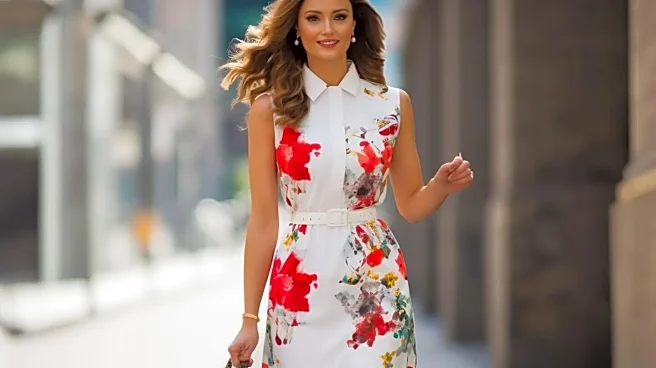
Putting these principles into practice doesn't have to be complicated. Start with a few go-to combinations. Try pairing high-waisted, wide-leg cropped pants with a sleeveless blouse tucked in. Another reliable option is a knee-length A-line skirt with a fitted knit top. For a one-and-done solution, a belted shirtdress in a breathable fabric offers a complete, polished look with minimal effort. These formulas rely on balancing proportions—pairing a wider bottom with a more fitted top, or using a belt to define the waist—to ensure your workwear is as flattering as it is professional.