



Breaking the Fourth Wall of Sound
Horror sound design works by hijacking our senses, making our bodies react before our brains can process what’s happening. A film like 'Evil Dead Burn' could take this further by blurring the line between on-screen sounds (diegetic) and the score or effects
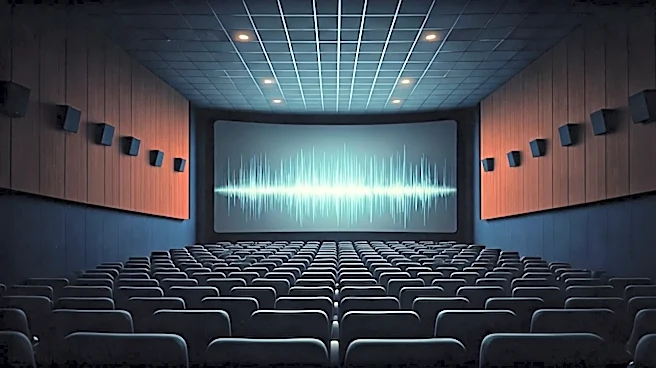
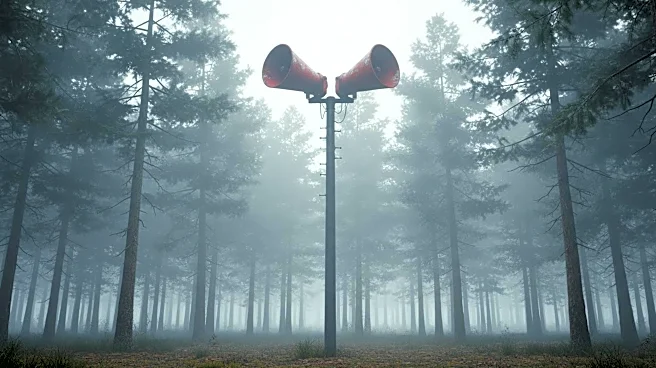
only the audience hears (non-diegetic). Imagine the iconic Deadite whispers not coming from the screen, but seeming to emanate from the back corner of the theater. Modern sound technologies like Dolby Atmos make this possible, allowing sound designers to place and move specific sounds anywhere in a three-dimensional space. This technique makes the audience feel as if the source of a sound is right there with them, turning a passive viewing experience into an active, unsettling one. It’s a way of breaking the implicit trust that the horror will stay on the screen.
The Psychology of Unseen Threats
Some of the most effective scares come from things we can't see. Our brains are hardwired to react to unidentifiable or approaching sounds as potential threats. The 'Evil Dead' series is famous for its frantic, low-angle demon-cam shots, but the sound is what truly sells the demonic presence. For 'Evil Dead Rise,' director Lee Cronin and sound designer Peter Albrechtsen made sound an integral part of the storytelling, sometimes emphasizing things you only hear, not see. A new film could weaponize this by using infrasound—low-frequency noises below the range of human hearing. While you can't technically hear it, infrasound can create feelings of anxiety, dread, and even physical discomfort, making the entire room feel oppressive and dangerous before a single monster appears.
Weaponizing Silence and Distortion
Just as important as the noise is the lack of it. The sudden absence of sound can be incredibly jarring, creating a moment of intense anticipation as the audience’s brain braces for impact. This technique builds immense tension before a jump scare. 'Evil Dead Burn' could pair this with another powerful psychoacoustic tool: nonlinear sound. These are harsh, chaotic noises like animalistic shrieks, screams, or distorted feedback—sounds our brains are evolutionarily conditioned to perceive as distress signals. The score for Alfred Hitchcock's 'Psycho' famously used screeching, nonlinear violin notes to mimic screams. The 'Evil Dead' franchise, known for its unhinged demonic cackles and taunts, could push this further by distorting seemingly normal sounds, like a human voice, until they become grating and psychologically painful to hear.
Corrupting the Familiar
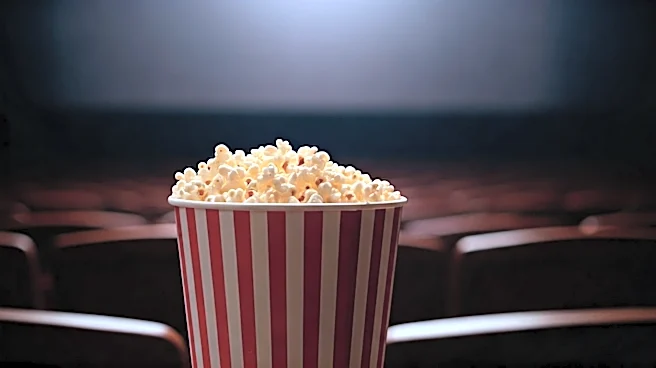
One of horror’s most enduring tricks is taking something safe and making it sinister. A child's lullaby, a creaking floorboard, a music box—when placed in a horror context, these sounds become deeply unsettling. The sound design for 'Evil Dead Rise' embraced this, with Albrechtsen noting that his work in documentaries taught him that gritty, noisy, and distorted sounds often feel more real and powerful. For 'Evil Dead Burn,' this could mean manipulating the sounds of the theater itself. Imagine if the familiar sound of rustling popcorn bags or a distant cough were subtly woven into the film's soundscape, distorted and repeated until you can't tell what's real and what's part of the movie. This auditory gaslighting would make the entire environment feel unpredictable and hostile, effectively making the theater's perceived safety dissolve completely.