

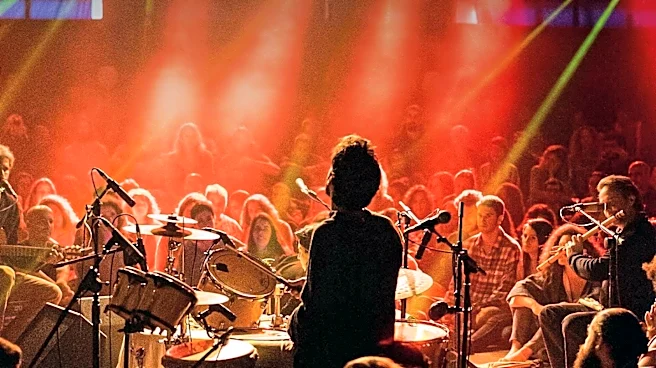
The Power of the Pack
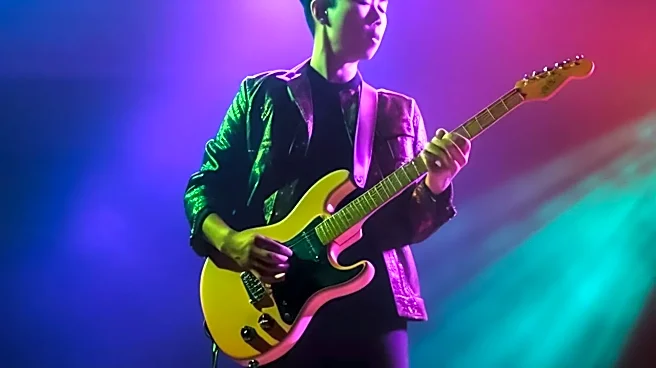
There’s a primal, undeniable force to a great festival band. It’s a multi-person machine designed for maximum sonic and visual impact. Think of the Red Hot Chili Peppers or Foo Fighters. It isn't just one person to watch; it's a dynamic interplay. You
have the frenetic energy of a bassist locking in with a drummer, a guitarist shredding a solo, and a lead singer commanding the entire spectacle. This collective energy creates a wall of sound and a living, breathing performance that feels bigger than any single member. Each musician brings a specialist's skill to their instrument, optimizing the overall sound for a richer, more layered experience. The audience gets to choose its own adventure, focusing on the stoic drummer one moment and the wild guitarist the next. This shared on-stage chemistry is infectious, turning a performance into a full-blown party that the entire crowd feels invited to join.
The Lone Star's Universe
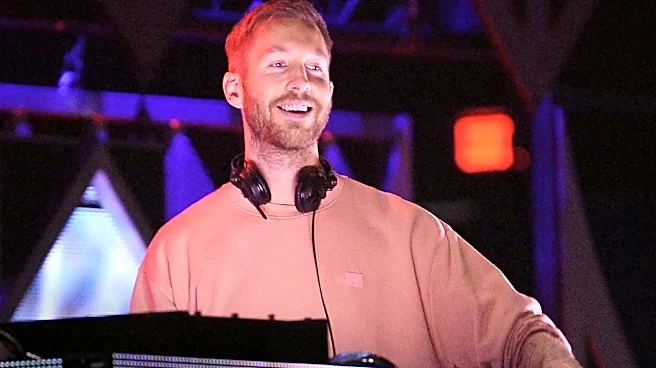
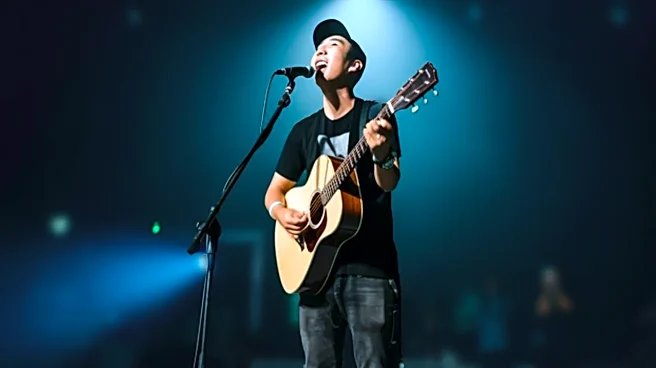
A solo artist stands alone, but they are rarely performing without an arsenal. Modern solo festival acts, like Billie Eilish or Post Malone, have become masters of turning a single point of focus into an entire universe. Where a band has human chemistry, the solo star often has technology and immense personal charisma. They use sophisticated lighting, massive LED screen visuals, and meticulously crafted backing tracks to create an immersive world. The stage becomes a canvas for their story. Furthermore, solo acts can build a unique and powerful form of intimacy. With all eyes on them, every gesture and vocal inflection is magnified. They can speak directly to the crowd, creating a personal, confessional bond that makes a field of thousands feel like a small club. It’s a performance of focused magnetism, demanding the audience's complete attention.
Creating the 'Wow' Factor
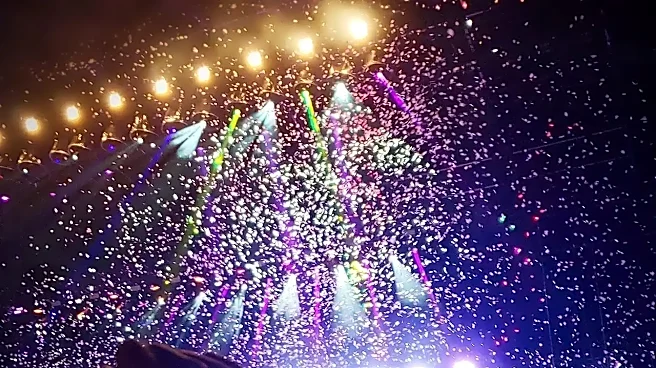
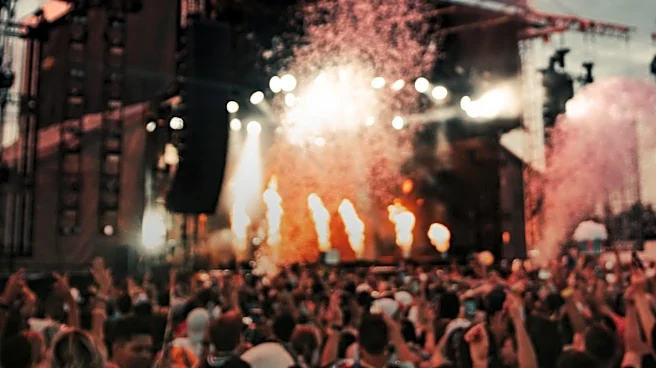
Both formats aim to create unforgettable moments, but they achieve them differently. For bands, the spectacle is often rooted in raw musical power. It’s the synchronized headbanging, the explosive drum solo, the moment the guitarist steps to the edge of the stage and unleashes a perfect riff. The “wow” is organic, emerging from the combined force of the musicians playing as one. For a solo artist, the spectacle is often more produced and theatrical. It might be a stunning dance break, a sudden, dramatic lighting shift that transforms the stage, or a crane that lifts them over the audience. They leverage technology not just for sound but for visual storytelling, creating jaw-dropping moments that are meticulously planned and executed. While a band’s climax might be a roaring crescendo, a solo star’s might be a moment of stunning visual artistry.
The Audience Connection
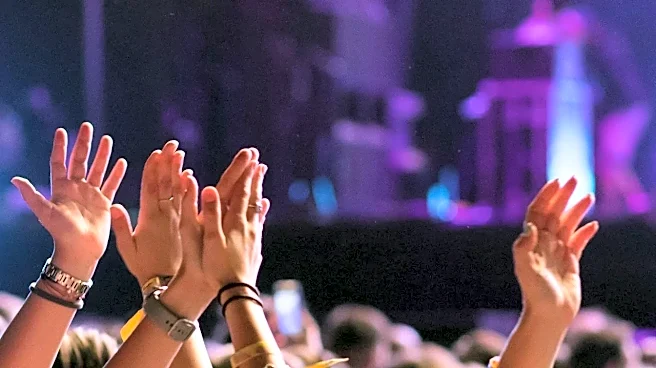
Ultimately, a festival set is about connecting with a massive, diverse group of people, many of whom might not be die-hard fans. A band does this by creating a powerful sense of community and shared energy. The feeling is one of togetherness and unity, a collective experience where the crowd becomes an extension of the band itself. People are drawn to this shared social experience, feeding off the energy of those around them. A solo artist often forges a different kind of link. Because the focus is so singular, the connection can feel more direct and personal. The performer isn't just the leader of a band; they are a singular icon the audience relates to directly. This creates a powerful feeling of individual connection, repeated thousands of times across the field. The crowd sings along not just as part of a group, but as individuals singing directly to the star on stage.