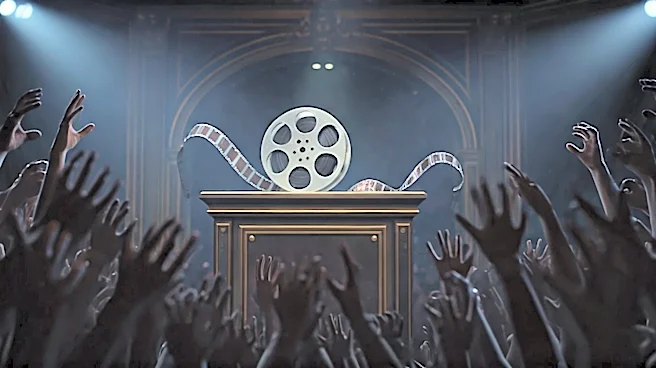







First, What Is a Theatrical Window?
Let’s start with the basics. A “theatrical window” is the period when a film is available exclusively in movie theaters. Traditionally, this was a sacred 90-day period. For three months, the only way to see a new movie was to buy a ticket and some popcorn. After that window closed, the film would begin its journey through a series of other “windows”: premium video-on-demand (PVOD), airline and hotel distribution, streaming service premieres, and finally, broadcast television. Each step was designed to extract maximum value from a different audience segment. The pandemic, however, threw a wrench in this system. With theaters closed, studios experimented with collapsing the window, releasing films on streaming services the same day they hit theaters (or
skipping theaters entirely). For a moment, it looked like the window might shatter for good. But the economics playing out in the South of France tell a different story.
Cannes: The Industry's Annual Checkup
While most of us see Cannes as a parade of celebrities and a showcase for auteur cinema, it’s also one of the most important film markets in the world. Distributors, from indie darlings like Neon and A24 to the major studios and streaming giants, descend on the French Riviera to bid on the year’s most promising films. It’s here, where real money is put on the line, that you can see what the industry truly values. In recent years, a clear pattern has emerged. The most sought-after films—the ones sparking all-night bidding wars and commanding eight-figure price tags—are almost always acquired with a firm commitment to a significant theatrical release. Streamers like Netflix and Apple are still major players, but the films that generate the most heat are the ones destined for the big screen first.
A Theatrical Run Is a Stamp of Approval
Why are buyers so insistent on a theatrical run for their biggest bets? Because a theatrical release is more than just a distribution strategy; it’s a marketing event. A film that opens in theaters gets posters, trailers, talk show appearances, and critical reviews. It becomes part of the cultural conversation in a way that a movie dropped into a streaming library rarely does. This “eventizing” of a film builds public awareness and, more importantly, perceived value. When a distributor like Neon spends millions on a Palme d'Or winner like “Anora,” they aren’t just buying a movie; they're buying a future awards contender. A robust theatrical run is step one in that campaign. It proves to audiences, critics, and awards voters that this film *matters*. It’s a seal of quality that a “streaming exclusive” tag simply cannot replicate. Getting lost in a content algorithm is a distributor's nightmare for a film they've spent a fortune on.
Maximizing the Downstream Dollars
This is the real secret sauce. A successful theatrical run isn't just about box office receipts. It’s about setting the film up for a more lucrative life down the line. A movie that performs well in theaters—even moderately well—has proven its appeal. That makes it far more valuable when it’s time to sell the rights to a streaming service. The theatrical window acts as a powerful value multiplier. Think of it this way: a film that grosses $100 million at the box office is a known quantity. A streaming service knows exactly what it's buying: a popular, culturally relevant title that will attract and retain subscribers. A film that went straight to streaming, however, has no public performance metric. Its value is purely speculative. The theatrical box office provides hard data, and in the business of entertainment, data is cash. It’s the difference between buying a proven hit and gambling on an unknown quantity.