

It Starts With a Story, Not a Setlist
The most memorable medleys aren't a random collection of hits; they're a narrative. Think of Beyoncé's 15-minute medley from her self-titled album in 2014 or her fiery Lemonade performance in 2016. Each wasn't just a concert, but a story with distinct
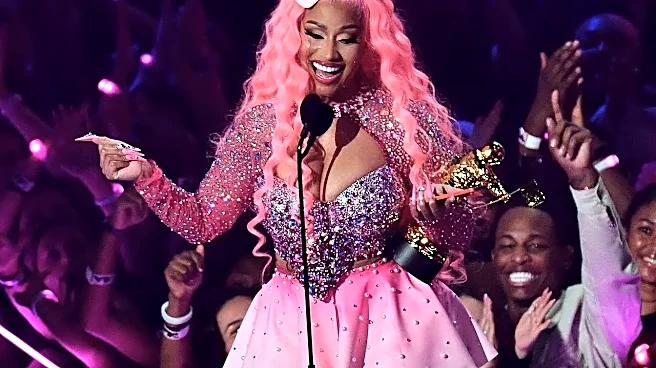
chapters. Artists and their creative directors build the performance around a central theme: an album's emotional arc, a career evolution, or a powerful statement. For her 2022 Vanguard Award performance, Nicki Minaj gave fans both "rap Nicki" and "pop star Nicki," showcasing her versatility and dominance in the industry. This narrative thread is the crucial first step that separates a compelling medley from a disjointed highlight reel.
The Art of the Seamless Transition
The secret ingredient that makes a medley feel like a single, cohesive piece is the transition. This is where the real musical and choreographic genius lies. Instead of a hard stop between songs, artists use a variety of techniques to blend moments together. This can involve finding songs with compatible keys and tempos, using a common chord to pivot from one track to the next, or creating a dance break that morphs the energy of the performance. Justin Timberlake's 2013 Vanguard medley was a masterclass in this, flowing effortlessly between hits like "Cry Me a River" and "Suit & Tie" before climaxing with an *NSYNC reunion. These transitions are meticulously planned to feel natural, creating a continuous flow that keeps the audience engaged.
Balancing Fan Service and Artistic Vision
Every artist faces a key dilemma: do you play the monster hits everyone expects, or do you showcase your current artistic direction? The best medleys do both. A ruthless editing process is key; performers often use only the most potent sections of a song—a killer verse, a soaring chorus, or an iconic riff—before moving on. This allows them to pack in the fan-favorites without getting bogged down. Missy Elliott's 2019 Vanguard medley was a perfect example, running through classics like "Get Ur Freak On" and "Work It" while also opening with her then-new song, "Throw It Back," proving she was still pushing creative boundaries. It's a calculated negotiation between giving the people what they want and reminding them who the artist is today.
A Visual and Theatrical Journey
A VMA medley is as much a feast for the eyes as it is for the ears. Staging, lighting, and costume changes are not just flashy extras; they are essential tools for storytelling. Each song or segment often gets its own distinct visual identity. When Madonna performed "Vogue" in 1990, her Marie Antoinette-inspired theme created a completely immersive world. In 2019, Missy Elliott used futuristic, gravity-defying visuals and a giant UFO to transport the audience. These theatrical elements help define the medley's different "acts," guiding the audience through the emotional and sonic journey and elevating the performance from a simple concert to a true spectacle.
Mastering the Performance Arc
Finally, a great medley must have a clear beginning, middle, and end. Like any good story, it needs to manage its energy and build toward a climax. An artist might start with a dramatic, attention-grabbing number, find a moment for a quieter, more emotional beat in the middle, and then build to an explosive finale that leaves the crowd on its feet. Rihanna demonstrated this in 2016 with a series of medleys for her Vanguard Award, including one that showcased her vocal power on ballads like "Stay" and "Diamonds." The goal is to create a cumulative emotional effect, not just a list of songs. By carefully pacing the performance, artists ensure the medley feels like a complete, satisfying experience that solidifies their legacy in one breathtaking set.