



Welcome to the Era of 'Homework TV'
It’s a symptom of what the industry has called “Peak TV.” With hundreds of scripted shows released each year across dozens of platforms, the sheer volume of high-quality, critically acclaimed television is overwhelming. What was once a golden age of choice
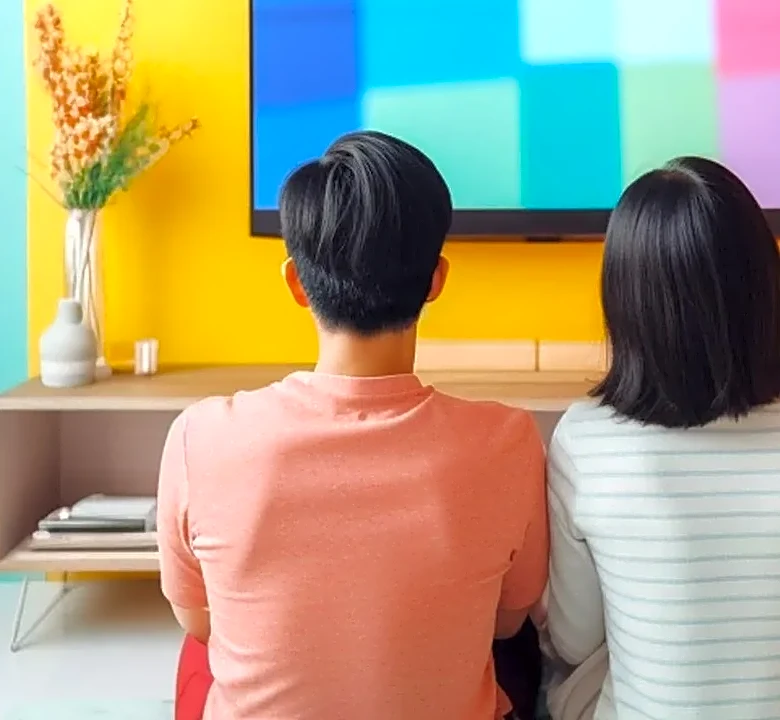
has morphed into a low-grade cultural anxiety. Your “must-watch” list grows longer, populated by dark dramas, intricate sci-fi epics, and comedies so sharp you feel like you need a textbook to catch all the references. Suddenly, your leisure time is filled with what feels like homework. You’re not just watching a show; you’re trying to keep up with a global conversation, and falling behind feels like failing a class everyone else is acing.
The Social Pressure Is Real
Let’s be honest: a big part of the pressure is social. Being current on the right shows is a form of social currency. It fuels conversations at work, gives you a reason to connect with friends, and makes you feel part of a cultural moment. This is amplified by the internet, where fan theories, memes, and live-tweeted reactions create a powerful sense of community. The flip side of that is a very modern Fear of Missing Out, or FOMO. Choosing not to participate can feel like choosing to be left out. Studies show that nearly two in five Americans admit to watching shows they don't even like just to stay in the conversation. No one wants to be the person shrugging when a coworker references a shocking plot twist from the show everyone is talking about.
Recognizing When Love Becomes a Chore
So, how do you know when it’s time to pull the plug? The signs are usually clear. You find yourself scrolling on your phone during key scenes. You feel a sense of dread, not excitement, when you see a new episode has dropped. Maybe a beloved character made a decision you can’t forgive, or a once-brilliant plot has tied itself in knots. Sometimes, a show simply runs out of steam, but you keep watching out of loyalty to its earlier, better seasons. This obligation can actively work against your well-being; binge-watching, especially shows you're forcing yourself through, is linked to fatigue and poorer sleep quality as your brain struggles to “cool down.” Entertainment should energize you, not drain you.
The Unmatched Joy of Quitting
Quitting isn’t failure. It’s curation. It’s an act of taking back your most valuable non-renewable resource: your time. Think of it as the ultimate form of self-care in a media-saturated world. That hour you would have spent hate-watching a brooding anti-hero could be spent starting a different show you’ve been genuinely curious about. Or reading a book. Or talking to an actual human. Or simply sitting in silence, giving your over-stimulated brain a break. Breaking the cycle of passive consumption can lead to surprising benefits, from feeling more energized to sleeping better. It’s about consciously choosing your joy instead of passively inheriting someone else’s idea of a good time. There's a real pleasure in missing out on something you were never truly enjoying in the first place.