

Test 1: Check Your Foundation
All great layering begins with the piece closest to your skin. The goal is to choose a base layer that provides a smooth, non-bulky canvas. Think thin, fitted, and breathable. A slim-fit turtleneck, a fine-gauge knit, a classic t-shirt, or a simple tank
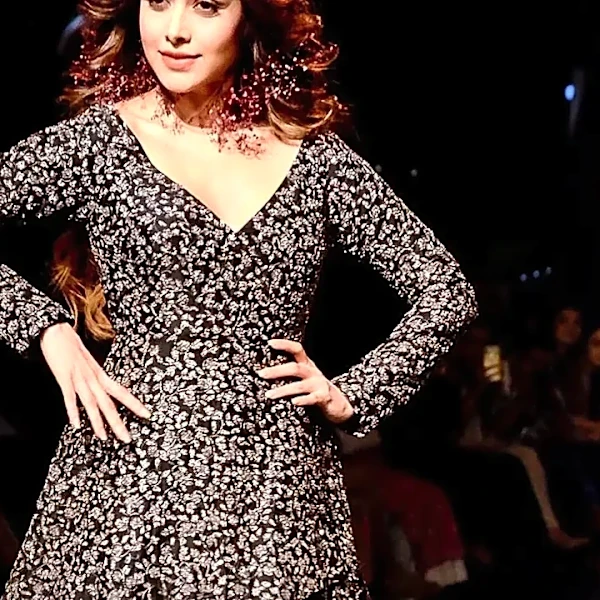
top are perfect starting points. These pieces should fit well without adding volume, allowing subsequent layers to drape cleanly. Before adding anything else, look in the mirror. Does this base piece stand alone? Is it comfortable? If you start with a bulky or ill-fitting foundation, every layer you add will amplify the problem, leading to a lumpy, disjointed silhouette. Street style stars at NYFW often build complex looks on the simplest of foundations, proving that what’s underneath is just as important as the statement piece on top.
Test 2: Master Proportions
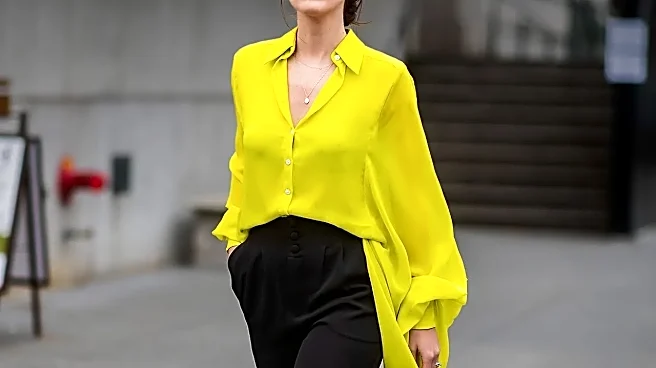
The most common layering mistake is ignoring proportions, which can quickly make an outfit look overwhelming. The key is to create balance. If you're opting for a voluminous or oversized top layer—like a chunky knit, a boxy blazer, or a trench coat—pair it with a slimmer silhouette on the bottom. Think wide-leg trousers with a fitted knit, or an oversized coat over a slim dress or tailored pants. Conversely, if you’re wearing fuller pants, like the barrel-leg jeans trending this season, keep the top layers more structured and cropped. A cropped jacket that hits at the natural waist, for instance, can create shape and prevent the entire look from feeling shapeless. This game of opposites—volume on top, slim on the bottom, or vice versa—is the secret to looking intentional, not lost in your clothes.
Test 3: Mix Your Textures
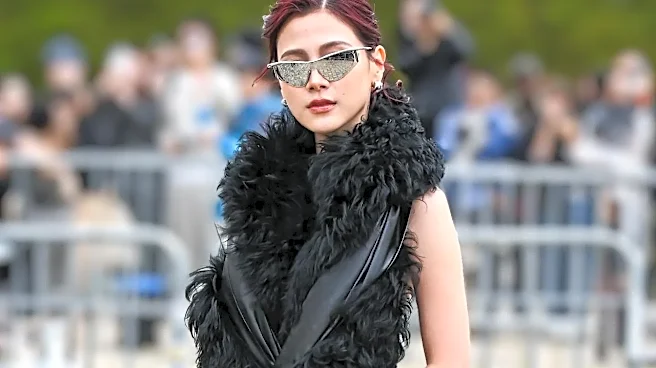
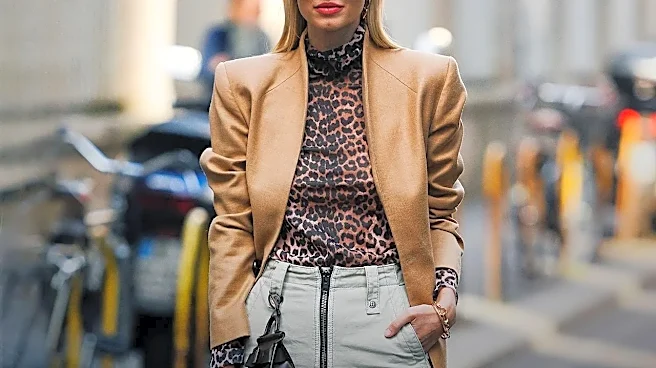
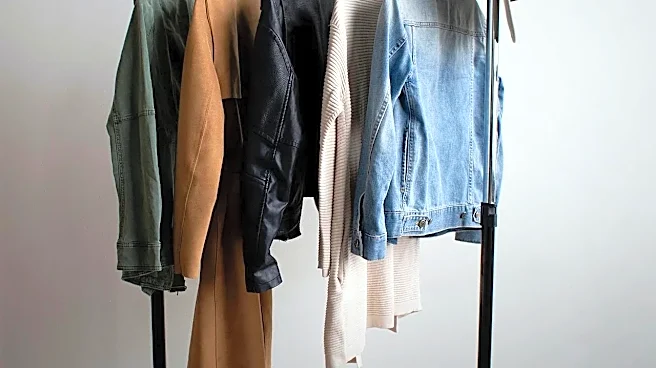
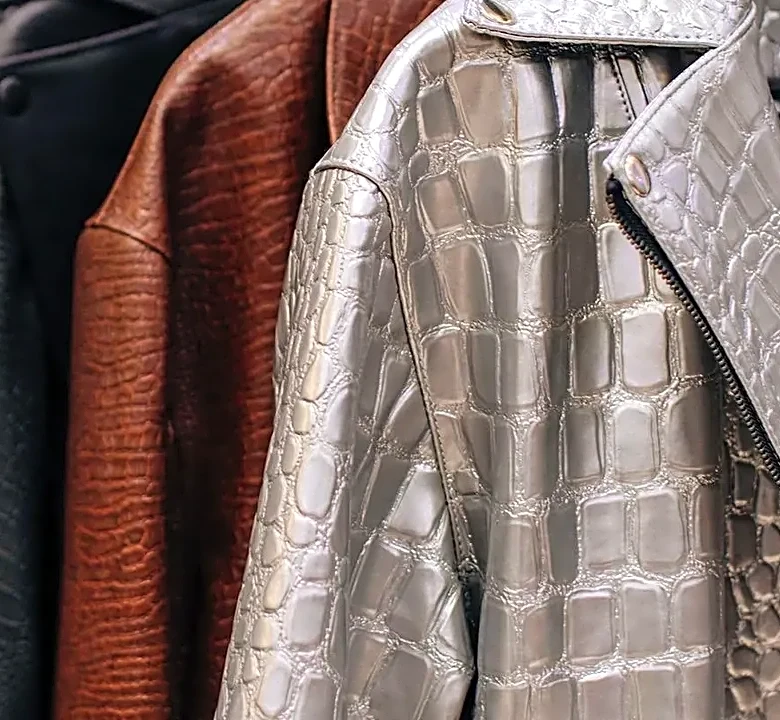
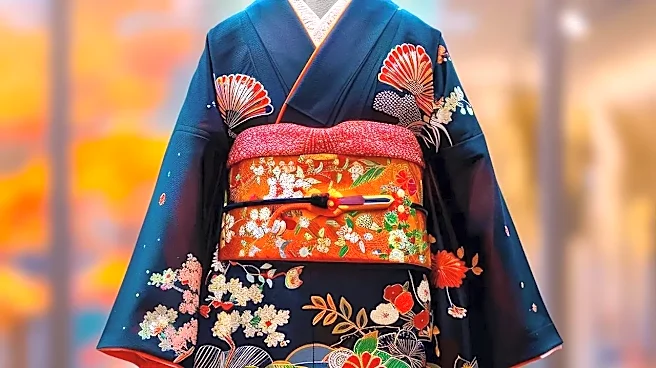
An outfit composed of all the same material can look flat and uninspired. Successful layering uses a mix of textures to create depth and visual interest without adding unnecessary weight. This is where you can truly get creative. Pair smooth fabrics with rougher ones: a silk camisole under a wool blazer, a chunky knit sweater over a leather skirt, or a crisp cotton button-down beneath a soft cashmere cardigan. Combining different material finishes—like denim, leather, satin, and wool—makes each piece stand out and tells a more sophisticated style story. It's a technique seen constantly on the streets outside NYFW shows, where a simple trench coat is elevated by the leather boots and silk scarf it’s paired with.
Test 4: Curate Your Color Story
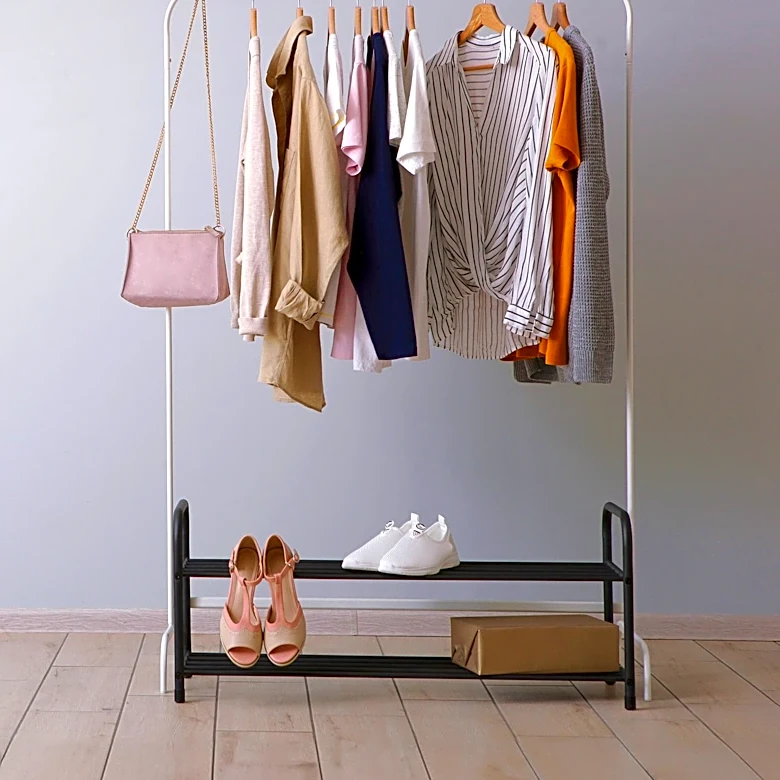
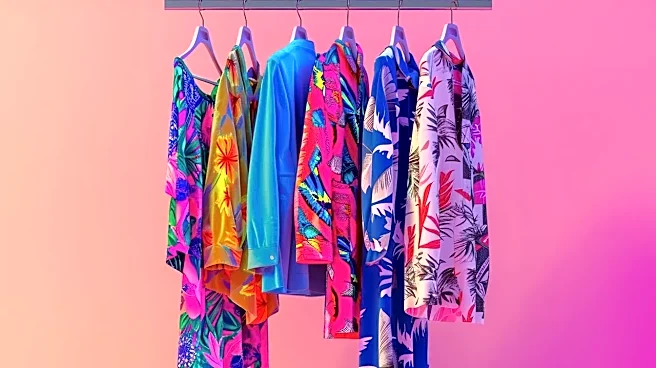
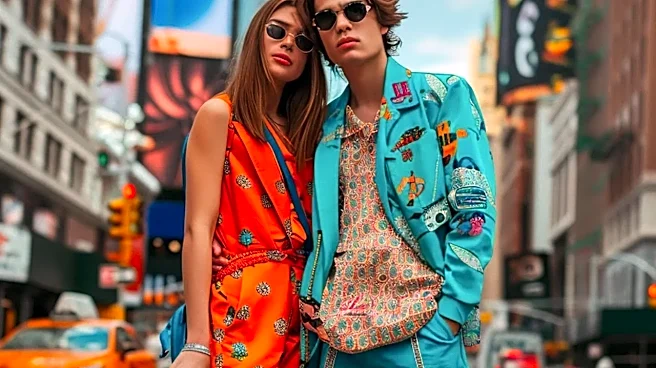
While fashion week is full of bold, camera-catching color, the most successful layered looks in the real world often stick to a controlled palette. A good rule of thumb is to build your outfit around two or three main colors. This creates a sense of cohesion and stops the layers from looking chaotic. You can build a look from a neutral base of black, white, navy, or camel, and then introduce one pop of color. Or, work within a monochrome palette, layering different shades and tints of the same color for a chic, elongated effect. A tonal approach—like mixing beige, cream, and brown—always looks expensive and deliberate. This doesn't mean you must avoid color; just be intentional about how you use it to tie all the separate pieces together.
Test 5: The Functionality Edit
The final and most crucial test: can you live in it? Before walking out the door, do a quick check. Can you raise your arms comfortably? Can you sit down without your jacket bunching awkwardly? Does each layer serve a purpose, allowing you to adapt to changing temperatures? A street style look that’s only meant to be photographed for five minutes has different requirements than an outfit you need to wear for an entire day of work, errands, and socializing. True style is not just about how an outfit looks, but how it feels and functions. If a layer is restrictive, impractical, or just feels "off," remove it. The best layering feels effortless because it works with your life, not against it.