


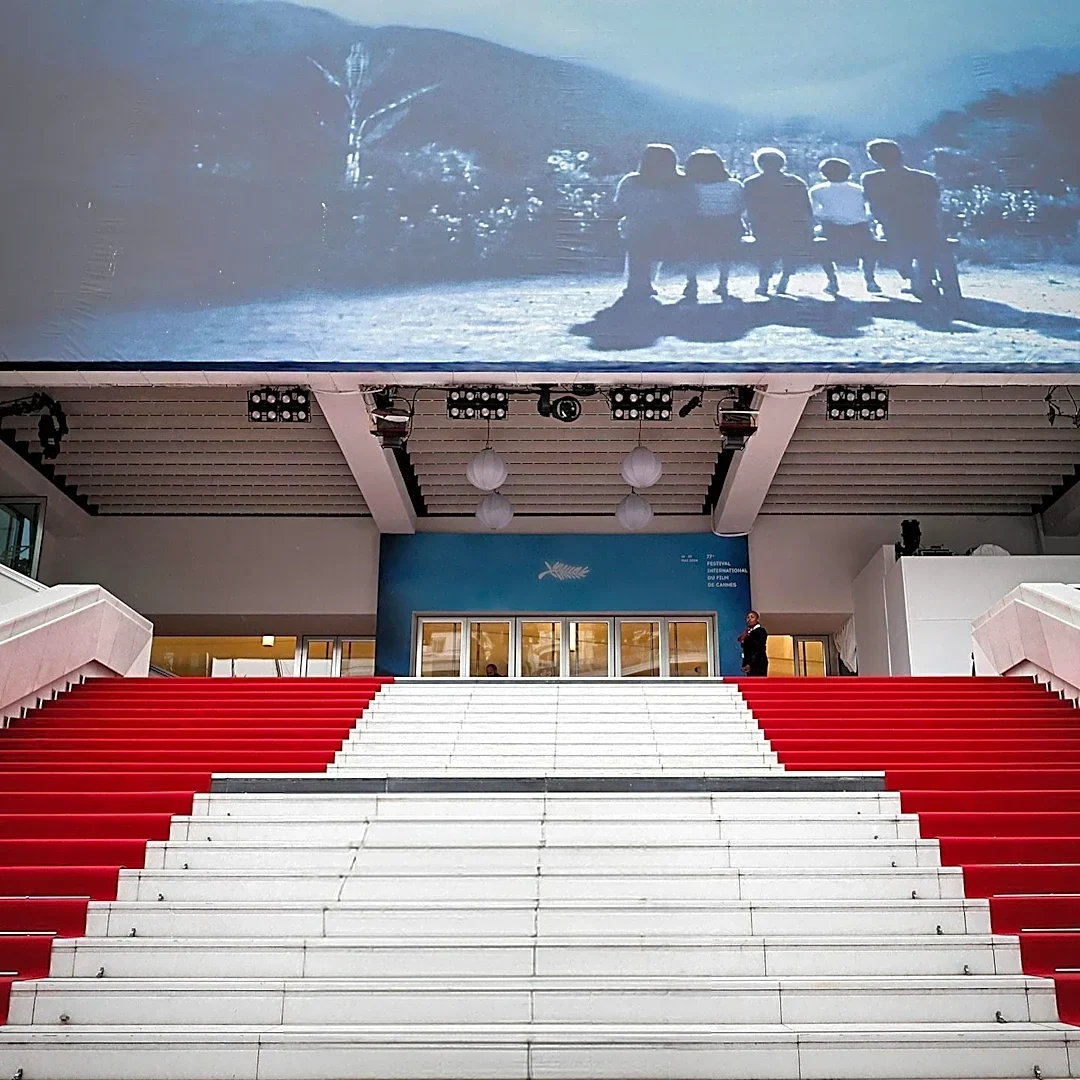



Every October, the BFI London Film Festival descends on the city, bringing with it a curious paradox. You see the dazzling red carpets and hear the buzz about industry-only events, yet you can also just buy a ticket. So, what's the deal?
The Engine of Exclusivity
First, let's talk
about the glamour. The festival's global reputation is built on its exclusive, high-profile events. These are the red-carpet Gala premieres at venues like the Southbank Centre's Royal Festival Hall, where major stars and directors unveil their latest work. These screenings are where the flashbulbs pop and the international media congregates. Behind the scenes, another layer of exclusivity exists with the Industry Forum, a series of talks, panels, and networking events accessible only to accredited professionals. This is where deals are discussed and the business of film gets done, far from the public eye. This curated, industry-focused side of the festival generates prestige, attracts top-tier talent, and ensures the event remains a key date on the global film calendar. It makes the festival feel important because, for a select group, it is.
An Open Invitation to the Public
But here's the twist: for all its high-wattage appeal, the BFI London Film Festival is fundamentally a public festival. Unlike more industry-centric events like Cannes, London prides itself on audience access. The vast majority of the 200-plus films are available for anyone to see. Tickets go on sale to the general public, with prices for many regular screenings starting from around £10. There are even special discounts for attendees aged 25 and under, making it accessible for a younger generation of film lovers. The festival also spreads beyond central London, with screenings at partner cinemas across the UK and a selection of films available to stream at home on the BFI Player. This nationwide footprint is a core part of the BFI's mission to make screen culture accessible to everyone.
More Than Just Movies (And Often, Free)
The public-facing side goes even deeper with 'LFF For Free', an entire program of events that costs nothing to attend. This isn't just a minor add-on; it's a significant part of the festival's offering. The 2026 lineup, for example, includes everything from DJ nights and family craft workshops to in-depth panel discussions with filmmakers and critics. It also features 'LFF Expanded', which showcases immersive storytelling through VR and video games. These free events, held at the BFI's Southbank hub, create a welcoming, festival-like atmosphere where you don't need a pricey ticket to feel involved. You can simply show up and soak in the culture, which deliberately blurs the line between a ticketed event and a public celebration.
A Deliberate Balancing Act
This dual identity isn't an accident; it's a strategic choice. The BFI has an explicit goal to balance cultural and commercial success. The exclusive galas and industry events generate the international buzz and media value that attract sponsors and major film premieres. That prestige, in turn, makes the public want to attend. The broad public access and UK-wide programming help the BFI fulfill its mission as a cultural charity, justifying its public funding and building a loyal audience for the future. One side feeds the other. The glamour of the red carpet makes a regular screening feel like a special event, while the large, engaged public audience makes the festival an attractive place for filmmakers to launch their work. It's a carefully constructed ecosystem where exclusivity creates value and accessibility creates relevance.