



The Original Blockbuster Blueprint
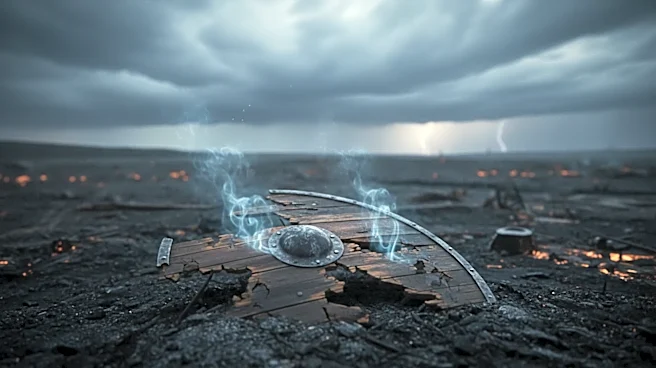
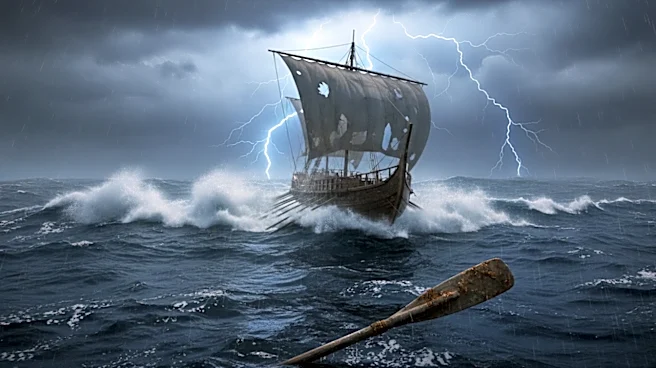
Long before focus groups and four-quadrant marketing, there was Homer. The Iliad and The Odyssey aren't just dusty poems; they are the original blueprints for high-stakes, epic entertainment. Think about the core ingredients of a modern tentpole movie:
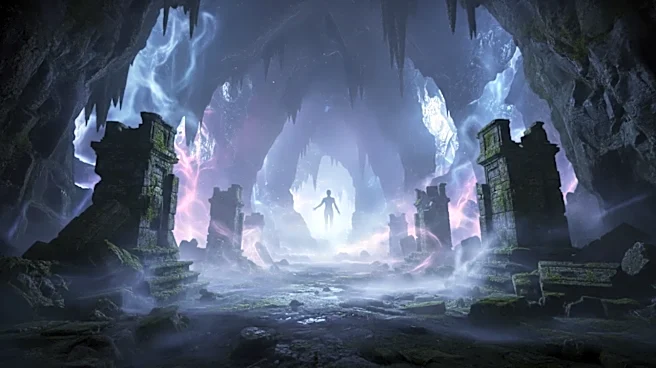
a massive budget, big stars, and even bigger special effects. Now, map that onto Homer. You have deeply flawed, relatable heroes like the rage-fueled Achilles and the cunning, world-weary Odysseus. You have terrifying villains in both human and monstrous form. The stakes? Nothing less than the fate of nations and the very definition of honor. The divine interventions of the gods on Mount Olympus function like a proto-superhero universe, with powerful beings picking sides and turning the tide of battle with supernatural abilities. These stories are packed with brutal action, gut-wrenching tragedy, and moments of soaring heroism—the very DNA of a summer blockbuster.
More Than Just Swords and Sandals
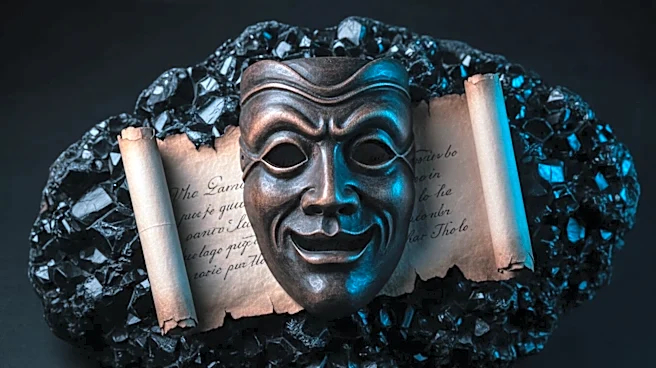
The historical epic genre has a mixed track record. For every Gladiator that captures Oscars and audience adoration, there are a dozen expensive flops that audiences forget. But a Homeric adaptation doesn't have to be a dry history lesson. The reason these stories have survived for three millennia is because their themes are profoundly universal. The Iliad isn't just about a war; it's about ego, grief, and the horrific cost of violence. The Odyssey isn't just a man trying to get home; it's a story about identity, temptation, and the meaning of civilization. A successful adaptation would focus on this emotional core. It would understand that audiences connect with character arcs and powerful ideas. The spectacle of a thousand ships launching or a Cyclops roaring is the hook, but the heart of the film would be the human drama that feels as urgent today as it did in ancient Greece.
Learning from the Past
Of course, Hollywood has tried before. Wolfgang Petersen’s 2004 film Troy was a massive production with an all-star cast that made nearly $500 million worldwide. It proved there was a global appetite for these stories. However, in its effort to be more grounded and realistic, the film famously cut the gods from the story, a move many felt robbed the narrative of its mythic power. A new adaptation can learn from this. The key isn't to create a stuffy, overly reverent period piece, but to find a cinematic language that honors the source material's blend of the human and the divine. The challenge is to treat the mythological elements with the same seriousness as the human drama, making the gods' interference feel weighty and consequential, rather than a flight of fancy. It’s a delicate balance, but one that modern filmmaking, which has normalized gods, monsters, and magic through fantasy and superhero films, is perfectly equipped to handle.
The Ultimate Cinematic Universe
In an industry obsessed with building interconnected franchises, Homer's work is a goldmine waiting to be rediscovered. The Epic Cycle, the collection of ancient poems that includes The Iliad and The Odyssey, is the original shared universe. It's a sprawling narrative with a deep bench of compelling characters, each worthy of their own story. Imagine an Iliad film that captures the brutal grit of the Trojan War, followed by a more fantastical, adventurous Odyssey movie. From there, the possibilities are endless: a political thriller centered on Penelope and the suitors in Ithaca, a prequel about the judgment of Paris, or spinoffs following characters like the tragic prophetess Cassandra or the warrior Diomedes. It offers a way to build a multi-film narrative on a foundation of literary and cultural significance, offering something fresh to an audience potentially growing tired of the same comic book cycles.