





The Athlete's Unforgiving Frame
Let’s start with the obvious: the men wearing these suits are not built like department store mannequins. They are marvels of human engineering. A top basketball prospect might have a 7-foot-3 wingspan attached to a 6-foot-8 frame. A first-round linebacker
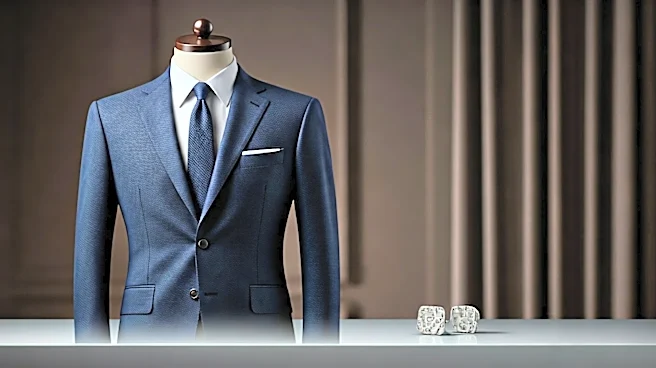
has shoulders that look like they’re smuggling watermelons and a waist that’s half as wide. These are not off-the-rack bodies. While a bold floral pattern or a diamond-encrusted lapel grabs attention, it’s the fundamentals of tailoring that prevent a young star from looking like a kid playing dress-up in his dad’s closet. When sleeves are too short, trousers pool around the ankles, or the jacket button strains for its life, the entire effect is ruined. No amount of personality can salvage a silhouette that’s fundamentally wrong for a body this unique.
Personality Is the Accent, Not the Foundation
This isn’t an argument for boring suits. Far from it. An athlete’s draft-night outfit is their first major statement as a professional. It’s a branding exercise, a nod to their hometown, or a tribute to family. We’ve seen custom linings printed with family photos, chains that cost more than a car, and colors that could stop traffic. These are the details that make the night fun. But they only work when they’re built on a solid foundation of fit. Consider Shai Gilgeous-Alexander, a modern NBA style icon. His 2018 draft suit featured a shimmering, floral-patterned fabric. It was bold, but the suit was impeccably tailored to his lanky frame, creating a clean, sharp line. The personality was in the pattern; the power was in the proportion. The goal is for the world to see a confident young man in a great suit, not a great suit awkwardly draped on a young man.
The Camera and the Commissioner
Draft night is a televised performance with a few key moments that get replayed forever. The most iconic is the walk across the stage and the handshake with the commissioner. This is where proportion becomes brutally important. The draftee, often towering over Adam Silver or Roger Goodell, is photographed from low angles, side angles, and straight on. A poorly fitting jacket will bunch up, the shoulders will look slumped, and the player can appear smaller or sloppier than they are. When seated in the green room, a suit that’s too tight across the thighs or too short in the jacket becomes a visual distraction. A well-proportioned suit, by contrast, maintains its structure whether the player is sitting, standing, or leaning in for a hug. It telegraphs poise and control, even when the draftee is a bundle of nerves. The suit should work *for* the athlete in these crucial, frozen-in-time moments, not against them.
Learning from the Past
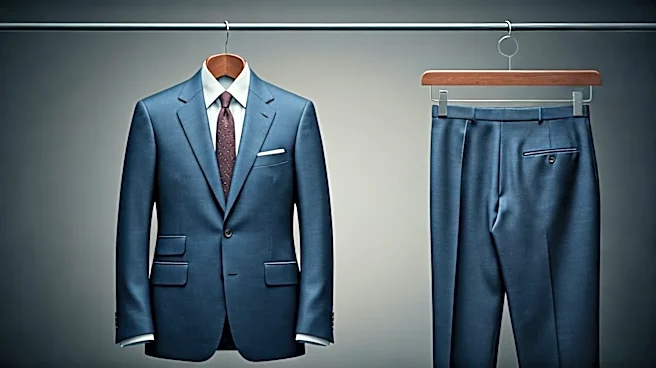
The history of draft fashion is a masterclass in this principle. Go back and look at the infamously baggy suits of the early 2000s NBA drafts. Stars like LeBron James and Carmelo Anthony were swimming in acres of fabric. While it was the trend, the overwhelming size of the suits dwarfed even their larger-than-life frames and athletic builds. The personality was there—LeBron’s all-white look was an undeniable statement—but the proportions were off, a relic of a specific era’s style mistakes. Now, contrast that with a timeless look. A player who opts for a classic, dark suit that is tailored to perfection will always look sharp. The fit does the talking. It says, “I’m a professional, I’m ready, and I understand the gravity of this moment.” A wild suit can be fun, but a perfectly fitted suit is forever.