



The Great Debate: Cream vs. Powder
Understanding the fundamental differences between cream and powder blush is the first step. Cream blush, with its emollient texture, melts into the skin to create a luminous, natural-looking glow. It’s often the top choice for those with dry or mature
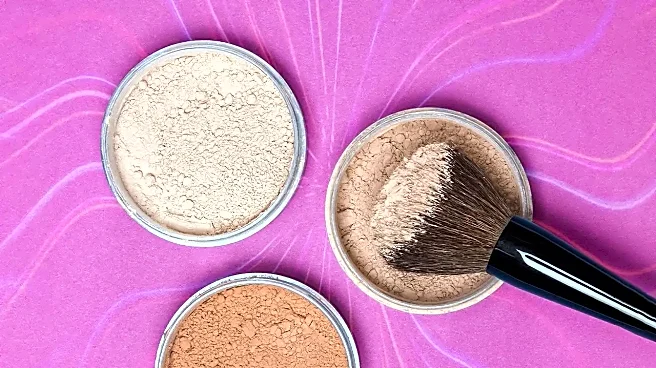
skin, as it provides a hydrating, skin-like finish that doesn’t settle into fine lines. You can easily apply it with your fingertips, a damp sponge, or a dense brush for a sheer, buildable wash of color. Powder blush, on the other hand, is a classic for a reason. It offers a more controlled application and typically a soft-matte or satin finish. For those with oily skin, powder is often the hero product because it can help manage shine and tends to have greater staying power throughout the day. It’s best applied with a fluffy brush, allowing you to build the pigment from a subtle hint to a more dramatic statement. The choice often comes down to skin type and the desired look—dewy and seamless versus polished and defined.
The Hidden Step: Strategic Layering
The true secret to a professional-looking, dimensional, and incredibly long-wearing blush isn't choosing between cream and powder—it's using both. Makeup artists have long used this layering technique to create a multi-dimensional flush that looks like it’s coming from within the skin, not just sitting on top of it. This method combines the best attributes of both formulas: the dewy, natural base of a cream with the setting power and refined finish of a powder. The process involves applying a cream or liquid blush first to act as a radiant base color. This initial layer provides that coveted “lit-from-within” glow. After this, a light dusting of a coordinating powder blush is applied on top. This second step not only intensifies the color and adds dimension but, most importantly, it locks everything in place for hours of wear. It’s a game-changer for anyone whose blush seems to fade by lunchtime.
How to Master the Dual-Blush Technique
Ready to try it? The execution is simpler than it sounds. First, after applying your foundation, start with your cream or liquid blush. Warm a small amount on the back of your hand, then use your fingers or a dense brush to gently tap it onto the apples of your cheeks, blending upward and outward toward your temples. The goal is a seamless, diffused base of color. Next, lightly set your base makeup, especially the area where you applied the cream blush, with a translucent setting powder. This prevents the powder blush from grabbing or looking patchy. Now, take a fluffy blush brush and dip it into your powder blush. Be sure to tap off any excess. Lightly sweep the powder blush over the same area where you applied the cream, focusing the intensity on the apples of the cheeks and blending the edges for a soft, gradient effect. Some artists suggest applying the powder just to the outer edges of the cream to create a subtle contour.
Placement and Blending Are Everything
Even with the best products and techniques, placement is crucial. A common mistake is applying blush too low on the face, which can visually drag your features down. For a youthful, lifted look, keep the color on the apples of your cheeks and blend upward along the cheekbones. You can find the right spot by looking straight into a mirror (instead of smiling) and placing the color on the highest point of your cheekbone, in line with the center of your pupil. Blending is just as important. Use light, dabbing motions instead of aggressive back-and-forth swipes to avoid a streaky finish or disturbing the foundation underneath. Continue to diffuse the edges until there are no harsh lines, just a soft, believable flush of color.