




Build a Foundation, Not a Collection
Before you can make footwear a part of your style, you need the right building blocks. The goal isn't to own dozens of pairs, but to have a few versatile essentials that serve your actual life. A curated 'shoe capsule' simplifies getting dressed and ensures
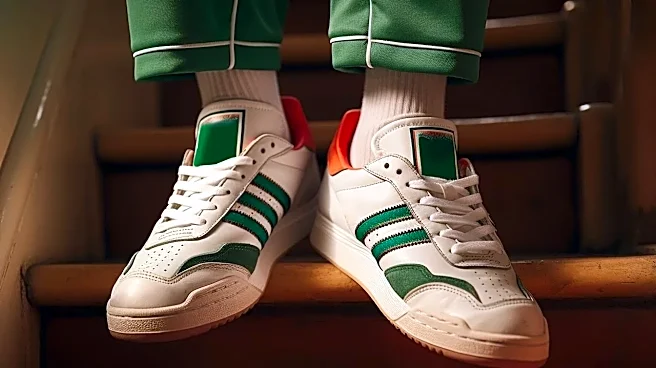
you always have a reliable option. For most people, this includes a clean, low-profile sneaker, a smart flat or loafer, a casual boot, and a comfortable sandal. Start by choosing these core pairs in neutral colors like black, white, tan, or gray, which pair effortlessly with most of your wardrobe. Once you have this foundation, you can add statement pairs that reflect your personality, but these workhorse shoes will handle 90% of your daily needs.
Think About Silhouette and Proportion
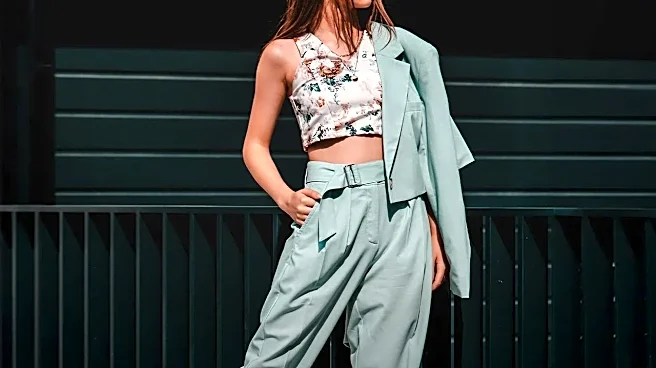
The secret to making shoes look intentional is understanding how their shape balances your outfit. It’s all about visual weight. Chunky, substantial shoes like platform sneakers or lug-sole boots work well to ground oversized silhouettes, wide-leg pants, or relaxed denim. Conversely, sleek, low-profile shoes—like slim sneakers, ballet flats, or pointed loafers—create a cleaner, more elongated line that pairs beautifully with fitted trousers, cropped pants, and midi dresses. Paying attention to this balance is what makes a pairing feel deliberate and polished, rather than accidental. The hem of your pants or skirt also plays a role; for example, ankle boots often look sharpest with cropped styles that show off the shoe.
Use Contrast to Your Advantage
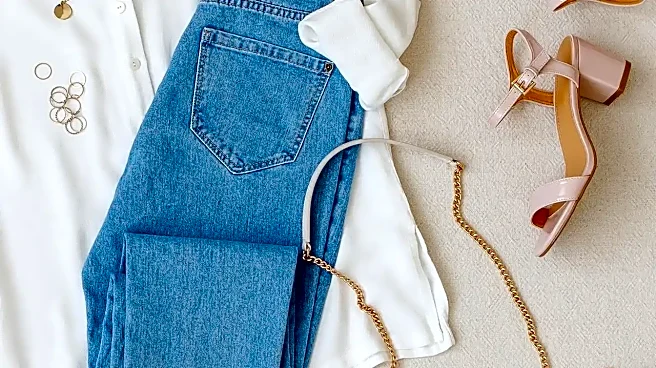
Some of the most stylish looks come from pairing unexpected elements. This 'high-low' mixing is a powerful tool for developing personal style. Wearing casual sneakers with more formal pieces, like a slip dress, a tailored blazer, or a feminine skirt, has become a modern style uniform. The contrast between the sporty shoe and the polished garment creates an effortless, confident look that feels intentional. This works in reverse, too. You can dress up simple jeans and a t-shirt with a structured loafer or an elegant pointed flat. The key is the juxtaposition: the relaxed element makes the dressy piece feel more approachable, and the dressy piece elevates the casual one. It shows you're not just following rules, but making conscious style choices.
Leverage Color and Texture Intentionally
While a neutral shoe foundation is crucial, color and texture are where you can inject personality. A brightly colored shoe can be the focal point of a simple, monochromatic outfit, adding a deliberate pop of energy. If you're not ready for bold hues, try a rich texture. A suede boot, a patent leather loafer, or a snakeskin-print flat can add visual interest and depth to an otherwise simple look without overwhelming it. Don't feel bound by the old rule that your shoes must match your bag. Instead, think of your shoes as a tool. You can use them to create a harmonious, tonal look by matching them to your pants for a leg-lengthening effect, or use them as a fun, contrasting statement piece.
Master the Finishing Touches
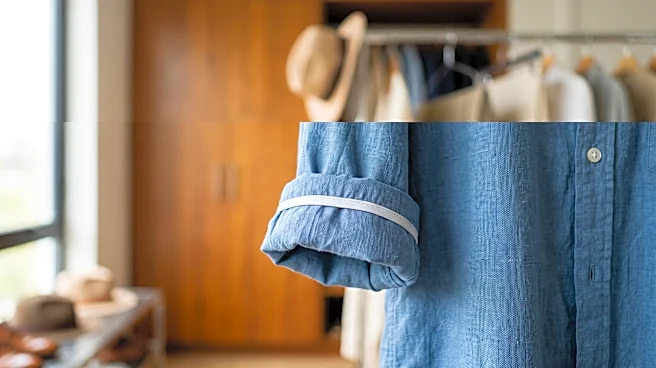
Sometimes, the smallest details make the biggest difference. The way your pants or jeans interact with your shoes can completely change your look. A simple cuff or roll of the hem can draw attention to a great pair of ankle boots or sneakers, creating a clean break that highlights your footwear. Consider the role of socks—a colorful or textured sock peeking out of a loafer or boot can be a subtle but impactful style move. Even your laces can be a point of expression. The goal is to see your footwear not as a separate entity, but as an integrated part of your overall look. When shoes feel like a thoughtful choice rather than an afterthought, they become a true extension of your personal style.