




1. The Aragonés Revolution
Everything changed with the appointment of Luis Aragonés in 2004. A cantankerous, wise old coach, he inherited a team defined by internal rivalries and a reliance on individual heroics. His most crucial, and controversial, move was to build his squad
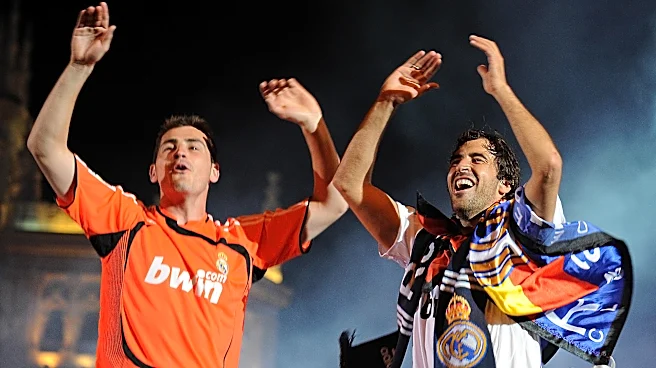
not around big-name stars like Real Madrid’s Raúl, but around a core of smaller, technically gifted midfielders from Barcelona and Valencia. He saw that Spain’s unique strength wasn't physicality but ball control. He told his players, “I don't care if you're 5-foot-6. If you're good, you play.” This decision wasn’t just a roster change; it was a radical shift in philosophy, valuing the collective over the individual and paving the way for a new identity.
2. Forging an Identity: Tiki-Taka
Aragonés didn’t just pick new players; he gave them a system that weaponized their talents. He embraced the possession-based, short-passing style being perfected at Barcelona and made it Spain’s national doctrine. Dubbed “tiki-taka,” the philosophy was simple: keep the ball, and the opponent can’t score. The midfield trio of Xavi Hernández, Andrés Iniesta, and Marcos Senna (and later Sergio Busquets) became the engine room. They would pass and move in dizzying triangles, frustrating opponents and controlling the tempo of every game. This wasn't just a tactic; it was a profound belief system. Spain decided to win on its own terms, using technical superiority to overcome bigger, more physical opponents.
3. Breaking the Quarter-Final Curse
Talent and tactics are nothing without belief. For Spain, that belief was forged during the 2008 European Championship. For years, the team was haunted by a psychological barrier: the quarter-final. They had been knocked out at this stage in three of the previous four major tournaments. Their quarter-final against Italy, the reigning world champions, was a tense, scoreless affair that went to a penalty shootout—a scenario where Spain had a historically dreadful record. When Iker Casillas made two crucial saves and Cesc Fàbregas coolly slotted home the winning penalty, it was more than just a victory. It was an exorcism. The mental block was gone. Spain went on to win the tournament, their first major trophy in 44 years, proving that their beautiful style could also be winning style.
4. The Seamless Transition to Del Bosque
After the triumph of Euro 2008, Luis Aragonés stepped down. In many sports, such a change can derail a champion. But Spain’s federation made the perfect choice in Vicente del Bosque. A calm, dignified presence, del Bosque was the ultimate players’ manager. He didn’t try to reinvent the wheel or stamp his own ego on the team. Instead, he recognized the genius of the existing system and the unity of the squad. His primary role became one of maintenance and subtle evolution. He expertly managed the delicate rivalry between the Barcelona and Real Madrid players, fostering a harmonious camp and ensuring the team’s focus remained on the collective goal. This continuity was the vital bridge between their first title and ultimate glory.
5. Conquering the World
The final step was the ascent to the summit of world soccer. At the 2010 World Cup in South Africa, Spain put all the pieces together. They endured a shocking opening loss to Switzerland but never wavered from their philosophy. Guided by Del Bosque’s steady hand and propelled by the brilliance of their midfield, they navigated the knockout stages with a series of gritty 1-0 victories. The final against the Netherlands was a brutal, physical affair, a direct challenge to their technical style. But in the 116th minute of extra time, Andrés Iniesta scored the most important goal in Spanish history. It was the ultimate validation. The underachievers were now world champions, cementing their place as one of the greatest national teams ever assembled and changing the way the world thought about soccer.