
The Myth of the All-Night Bidding War
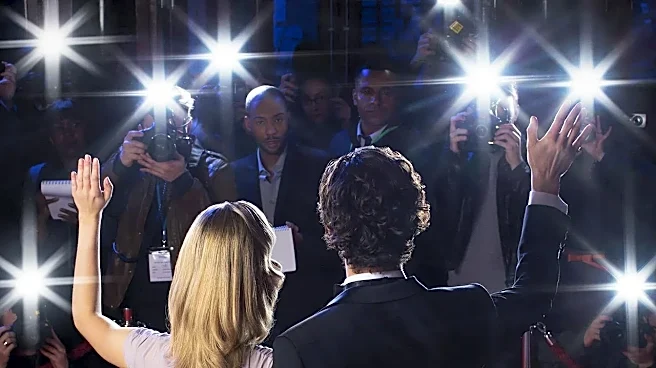
The classic TIFF fantasy involves a packed theater, a thunderous response, and rival studio executives frantically texting, driving the price of a small film into the stratosphere. While massive deals
still happen, they are the exception, not the rule. The days of frequent, frenzied bidding wars that drag on overnight have largely subsided. Today’s market is defined by caution. Distributors, from major studios to indie players, are more measured. They take their time, analyze the data, and often wait until long after the festival glow has faded to make an offer. The hype inside the festival bubble can be intoxicating, but buyers are increasingly wary of how that buzz will play in the real world, where they have to spend millions on marketing to convince average moviegoers to show up.
The Streaming Appetite Has Changed
Just a few years ago, streaming giants like Netflix were on an acquisition spree, buying up festival films to build their libraries. That gold rush is over. Streamers are no longer just trying to fill content pipelines; they're focused on targeted acquisitions that serve a specific purpose. They want star-driven vehicles, potential awards contenders that add prestige to their brand, or genre films with a clear, marketable hook. A quiet, critically-acclaimed drama without big names is now a much harder sell. Furthermore, with streamers producing more of their own original content, they are less reliant on acquiring independent films to keep subscribers happy. This shift has removed a crucial, high-paying buyer from the market for many independent filmmakers.
Theatrical Box Office Jitters
For traditional distributors, the ultimate goal is a successful theatrical run. But the theatrical market for anything that isn't a superhero blockbuster or a major horror franchise is incredibly tough. Dramas and mid-budget films—the very heart of many film festivals—are a risky proposition. A distributor might acquire a TIFF hit for a few million dollars, but they know they'll have to spend another $10, $20, or even $30 million on Prints & Advertising (P&A) just to give it a fighting chance in theaters. With audiences being more selective about what they’ll leave the house for, many well-reviewed films have fizzled at the box office. This makes distributors risk-averse, leading them to pass on films they might have championed in the past.
The Peril of the 'Middle-Budget' Movie
The most difficult spot in the market is for films that are too expensive to be considered scrappy, low-risk bets, but not big enough to compete with studio tentpoles. This “middle-budget” danger zone, often films costing between $5 million and $20 million, is where many of TIFF’s most celebrated narrative features live. They often feature strong scripts and talented directors but may lack the A-list star power needed to guarantee an audience. Buyers see a high-risk, low-reward scenario. The economics are brutal: the acquisition price is significant, the required marketing spend is high, and the potential box office return is uncertain. In contrast, a well-made, low-budget genre film (like horror or sci-fi) can be a much safer and more profitable investment for a distributor.