




The Golden Rule: It’s All About the Waist
The single most valuable style lesson from the 1950s has nothing to do with poodle skirts or pearls. It's the principle of defining your waist. This was the decade of the hourglass, thanks in large part to Christian Dior's iconic 'New Look' that emerged
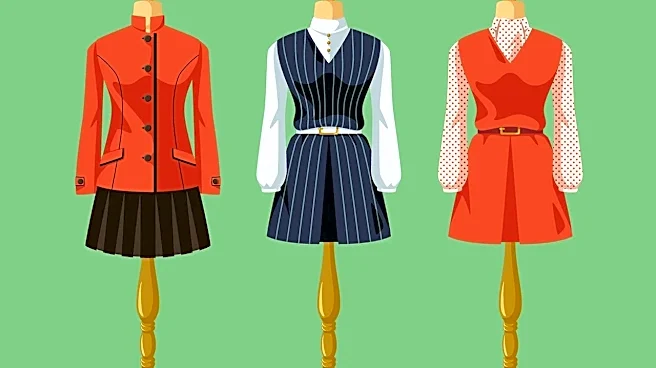
in 1947. After the utilitarian, boxy styles of the war years, Dior introduced silhouettes with rounded shoulders, full skirts, and, most importantly, a cinched-in waist. This created a powerful, feminine shape that dominated the decade. But you don't need a vintage gown or a painful girdle to make this rule work for you. The genius of this principle is its simplicity: drawing attention to your natural waist creates proportion. It works whether you're wearing a fit-and-flare dress, a pencil skirt with a tucked-in blouse, or even high-waisted trousers with a cropped sweater. Adding a belt to a dress or jacket is the quickest way to apply this logic. It’s not about achieving a certain measurement; it’s about creating a focal point that structures the entire outfit, making you look instantly more put-together. This rule is a timeless tool of proportion, not a restrictive historical command.
Rule to Break: The Matching Mandate
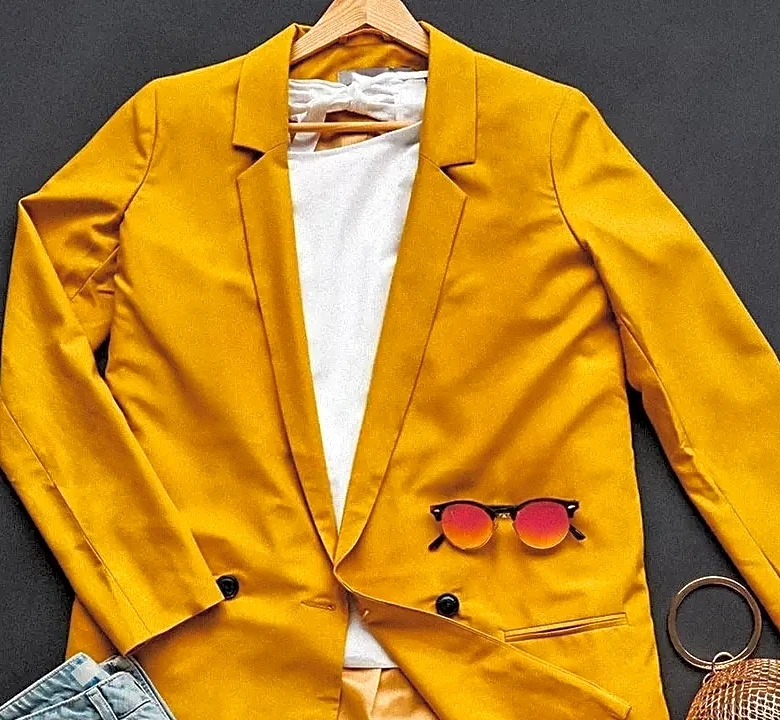
Now for the fun part: everything else you can gleefully ignore. First on the chopping block is the mandate that your shoes, handbag, and even your gloves had to match perfectly. In the 1950s, a woman leaving the house with a red bag and black shoes might have been seen as chaotic. This rule was about presenting a flawless, almost manufactured, facade of coordination. Today, that level of precision can look dated and a little sterile. Modern style thrives on intentional contrast. Think of the power of a bright yellow bag against a navy dress or the effortless cool of white sneakers paired with a black leather purse. Mixing textures and colors is what gives an outfit personality and visual interest. So, unless you're specifically aiming for a true-to-history retro look, feel free to break up the set. Your style will look more dynamic and personal for it.
Rule to Break: Dressing for the Errand
Can you imagine putting on a full dress, stockings, and proper shoes just to go to the grocery store? In the 1950s, that was the expectation. Every public space was a stage, and women were expected to be 'on' at all times. Wearing casual clothes like pants was often reserved for very specific, informal activities at home or on vacation. Thankfully, this rule has gone extinct. The rise of athleisure, the acceptance of denim as a go-to fabric, and a general move toward comfort and practicality have given us freedom. The modern ethos is about dressing for your life, not for the judgmental eyes of imagined onlookers at the post office. While it's always nice to look put-together, the idea that you owe the world a formal outfit for every minor errand is a relic worth leaving behind.
Rule to Break: The Accessory Straitjacket
Accessorizing in the 1950s came with a strict set of instructions. A proper lady often wouldn't leave the house without a hat and short gloves for daytime, a rule that feels utterly alien today. These weren't just fashion choices; they were markers of social etiquette. Similarly, there was an unwritten rule that your lipstick and nail polish should match, usually in a shade of red or pink. While a coordinated red lip and nail can still look incredibly chic, the idea that it's a requirement is absurd in a world with thousands of nail polish colors. These rules weren't about personal expression but about conforming to a very narrow definition of 'elegance'. Today, accessories are about fun and individuality. Wear a beanie instead of a pillbox hat. Wear black nail polish with a nude lip. The only rule is what makes you feel good.