



The Timeless Wardrobe Staple
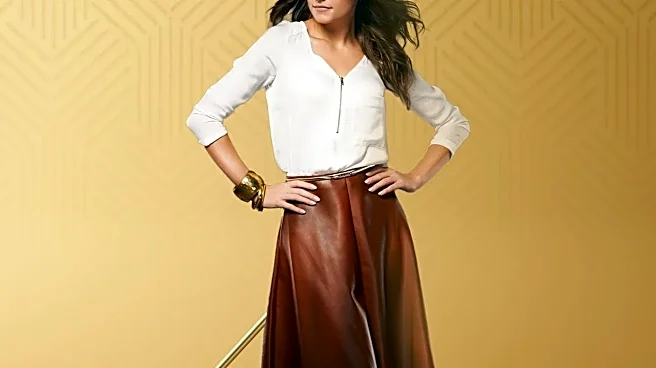
First, let's acknowledge the slip skirt’s universal appeal. It's the kind of garment that solves a dozen wardrobe problems at once. Paired with a chunky knit and boots, it’s perfect for fall. With a simple t-shirt and sneakers, it’s a casual weekend hero.
And with a camisole and heels, it’s instantly ready for a night out. Its power lies in its simplicity. But that same simplicity means there’s nowhere for poor construction to hide. When a slip skirt is bad, it’s really bad—it can cling in the wrong places, look flimsy, or hang like a limp sac. When it’s good, however, it skims the body, moves with a fluid grace, and looks expensive, even when it’s not. The difference often comes down to one crucial, yet frequently overlooked, element.
The Secret Is in the Cut
The single most important detail that separates a high-quality slip skirt from a poorly made one is the bias cut. This isn't a brand name or a type of fabric, but a construction technique. Imagine a woven piece of fabric as a grid of threads running horizontally and vertically. Most clothes are cut along these straight lines, or "on the grain." A bias cut, however, means the fabric is cut at a 45-degree angle to the weave. This simple-sounding shift changes everything about how the fabric behaves. It allows the woven material to have more stretch, flexibility, and a completely different drape. Fast-fashion brands often skip this step because cutting on the bias is more difficult and wastes more fabric, which drives up costs. That's why you can have two satin skirts that look similar on the hanger, but one feels magical on, while the other is a staticky, unforgiving disappointment.
Drape, Cling, and Effortless Flow
So, why is this 45-degree angle so magical? Cutting on the bias allows the fabric to hang and move in a way that a straight cut can't replicate. It creates a fluid drape that gracefully follows the body's curves without constricting them. Instead of being stiff, the skirt gains a natural, subtle elasticity that makes it more comfortable and forgiving. This is the quality that gives a good slip skirt its signature liquid-like movement when you walk. A skirt cut on the straight grain, by contrast, can create awkward pulling or puckering, especially around the hips and thighs. It lacks the inherent give of a bias cut, so it either has to be made baggy or it will feel restrictive. The bias cut is what makes a slip skirt look and feel like a second skin.
Your Shopper's Guide to Finding It
You don’t need to be a seamstress to spot a bias cut. The easiest test is to gently pull the fabric. Grab a small section of the skirt (not at the seam) and pull it diagonally. If it has a surprising amount of stretch and give, it’s likely cut on the bias. A straight-cut woven fabric will have very little to no stretch in any direction. Another visual clue can be the subtle weave of the fabric itself; on some materials, you can see the threads running diagonally down the skirt rather than straight across or vertically. When shopping online, pay close attention to how the skirt hangs on the model. Does it flow and skim, or does it look stiff in some photos? Look for descriptions that explicitly mention "bias cut," as premium brands often use it as a selling point.
Beyond the Bias: Other Quality Clues
While the bias cut is the main event, other details can signal a well-made slip skirt. Check the waistband. A flimsy, scrunched-up elastic band can look cheap and be unflattering when you tuck a shirt in. Look for a flat, structured waistband or a high-quality, substantial elastic that lies flat. The seams are another giveaway. Cheaper skirts will have basic, visible stitching. Higher-quality pieces might feature French seams, where the raw edges of the fabric are enclosed, creating a cleaner, more durable finish. Finally, consider the fabric itself. While pure silk is the gold standard for its breathability and luxurious feel, many high-quality satins (often polyester or viscose blends) can offer a beautiful drape and sheen without the high maintenance. A slightly heavier satin can also be less prone to wrinkling and show-through.