






The Spilled Milk Incident
Remember the chaos of the pizza dinner? When Buzz causes Kevin to spill milk and soda all over the plane tickets and passports, there's more going on than just a messy kitchen. As Mr. McCallister frantically cleans up, he grabs a stack of soaked napkins
and throws them in the trash. Pay close attention: mixed in with those napkins is Kevin's plane ticket. This tiny, blink-and-you'll-miss-it moment provides the crucial explanation for why the gate agent's count matches the number of tickets. It’s a masterful piece of screenwriting from John Hughes, plugging a potential plot hole before it ever becomes one.
A Tale of Two Color Palettes
From the very first scene, the film's costume and set design visually isolates Kevin from his family. The McCallister home is an explosion of festive reds and greens, from the wallpaper and furniture to the sweaters worn by nearly every family member. Kevin, however, is consistently dressed in neutral, earthy tones like beige and cream. This subtle visual choice, a deliberate decision by director Chris Columbus, foreshadows his separation. He's marked as an outsider from the opening frame, a boy apart from the chaotic, Christmas-colored world of his family long before they actually leave for the airport.
The Prophecy of the Micro Machines
One of the most satisfying booby traps is directly set up by Kevin's dad, Peter. Early in the film, while scolding Kevin, he complains about his little toy cars being left on the floor, warning that someone might slip on them. It’s a throwaway line, the kind of everyday parental grievance that’s instantly forgettable. Yet, it becomes a prophecy. Later, when Harry and Marv attempt their slippery assault on the house, it is those very same Micro Machines that become their downfall. It's a perfect example of how the film's script cleverly plants the seeds for the slapstick payoff to come.
Old Man Marley’s Quiet Redemption
The story of Old Man Marley, the rumored 'South Bend Shoveler,' is the emotional core of the film. While the plot point of his estrangement from his son was in the script, it was director Chris Columbus who added the crucial scenes that give the subplot its power. He specifically added the tender church conversation where Marley talks about his granddaughter, and, most importantly, the film’s final shot of Marley joyfully reuniting with his family. The evolving state of Marley’s bandaged hand also tells a story, starting as a bloody wound and gradually healing throughout the film, symbolizing his own emotional mending.
Angels With Filthy Souls
One of the most enduring myths about 'Home Alone' is that the gangster movie Kevin watches, 'Angels With Filthy Souls,' is a real film. It's not. The entire sequence was created specifically for the movie, shot in a single day on a soundstage. To give it that authentic, old-school feel, Columbus used vintage carbon-arc lighting techniques from the 1940s, perfectly replicating the look of classic film noir. The result is so convincing that for years, countless viewers have scoured old movie catalogs trying to find Johnny and Snakes, only to come up empty-handed.
The Improvised Genius of John Candy
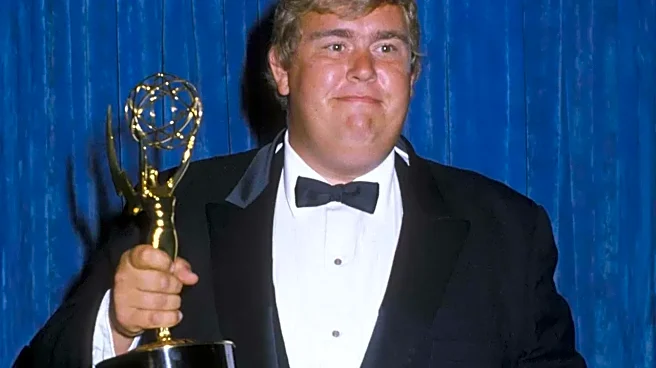
The legendary John Candy filmed his entire role as Gus Polinski, the 'Polka King of the Midwest,' in a single, 23-hour marathon session. Even more remarkably, almost all of his dialogue was improvised. The hilarious and slightly heartbreaking story about leaving his own child at a funeral parlor was pure Candy. His chemistry with Catherine O'Hara is palpable, providing a warm, comedic heart to the subplot of Kate's desperate journey home. It’s a testament to his immense talent that he could create such a memorable character in such a short amount of time.