




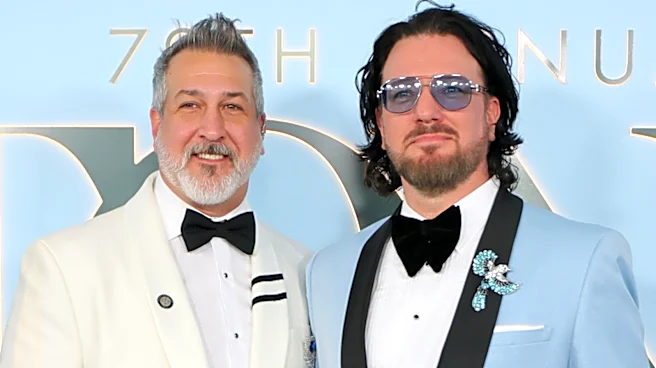
The End of the Black-Tie Uniform
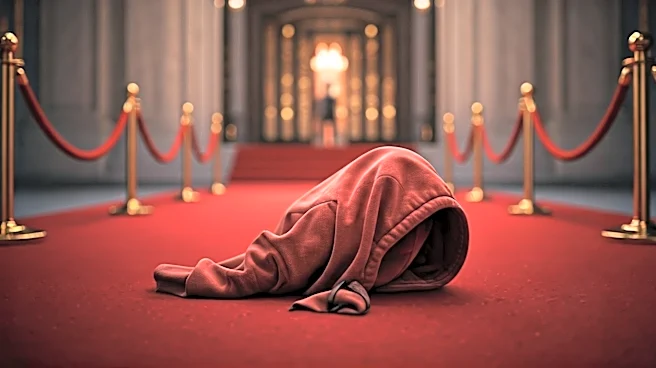
For decades, the movie premiere red carpet was a spectacle of prescribed glamour. Men wore crisp tuxedos; women donned breathtaking, and often breathtakingly uncomfortable, couture gowns. It was a fantasy of untouchable elegance. But a quiet rebellion
has been brewing. Think of Adam Sandler, the unofficial king of premiere comfort, consistently showing up in baggy shorts and a hoodie to promote his latest blockbuster. Or Jennifer Lawrence, who famously wore flip-flops under her Dior gown at the Cannes Film Festival. Even Gen-Z icons like Timothée Chalamet and Zendaya are rewriting the rules, opting for avant-garde, yet often less formal, silhouettes that prioritize personal style over rigid tradition. This isn't just a one-off stunt anymore; it's a bona fide trend that signals a major shift in how Hollywood presents itself.
The Strategic Currency of 'Relatability'
So, why does a photo of a celebrity in a casual outfit get more buzz than one in a million-dollar dress? The answer lies in the modern currency of celebrity: relatability. In an era saturated with perfectly curated Instagram feeds, a moment of perceived authenticity feels refreshing and real. When a star like Kristen Stewart kicks off her painful heels on the red carpet, it’s not just a fashion choice; it’s a viral moment that screams, “She’s just like us!” This calculated casualness shatters the fourth wall between the star and the audience. It makes multi-millionaire actors seem approachable, down-to-earth, and human. For fans, seeing a celebrity choose comfort over convention creates a powerful, albeit illusory, sense of connection. It's a reminder that beneath the layers of PR and glamour, there’s a person who also hates wearing uncomfortable shoes.
A Pushback Against Outdated Pressure
The trend is not just about looking relatable; it’s also a form of protest. The pressure on women in Hollywood to adhere to impossibly high standards of beauty and decorum has been a point of contention for years. The red carpet, with its gendered expectations—men in comfortable suits, women in restrictive dresses and heels—is the ultimate symbol of this disparity. Actresses like Stewart, who has been vocal about her disdain for formal dress codes, are using their platform to challenge these norms. By choosing flats, sneakers, or even going barefoot, they are making a powerful statement about bodily autonomy and the absurdity of expecting women to endure hours of pain for a photo op. This act of defiance resonates deeply with a public increasingly aware of and frustrated by gender inequality. It reframes the casual outfit from a lazy choice to a feminist one.
Social Media and the 24/7 Brand
In the pre-internet age, a red carpet look had a shelf life of about 24 hours. Now, it lives forever on social media, dissected and distributed across millions of screens. This has fundamentally changed the calculus for celebrities and their stylists. A “perfect” but boring gown might get a polite nod, but a surprising, casual look is guaranteed to generate conversation, memes, and clicks. It’s a savvy PR move. A relaxed premiere outfit tells a story about the celebrity's personal brand: they’re cool, they’re unbothered, they’re too busy being an *artist* to fuss over a tuxedo. It allows them to control their own narrative in a way a standard designer loan simply can't. The outfit becomes an extension of their personality, a tool for building a more authentic and engaging public persona that thrives in the digital landscape.