



A Roman Homecoming
This isn't just a new job for Maria Grazia Chiuri; it's a full-circle moment. Her career was forged within Fendi's walls, where she arrived in 1989. Working in the accessories department under the legendary Fendi sisters and alongside Silvia Venturini
Fendi, she was instrumental in an era that defined modern luxury. Most notably, she was a key part of the team that developed the iconic Baguette bag, an accessory that transcended its function to become a cultural touchstone of the late '90s. Her return is not as an outsider tasked with learning a brand's history, but as an architect coming home to a house she helped build. Her appointment in October 2025, following the departure of Kim Jones, felt less like a corporate shuffle and more like destiny.
The Philosophy from Her Paris Years
To understand what Chiuri might build at Fendi, one must look at what she built at Dior. From 2016 to 2025, she became the first woman to lead the Parisian couture house, and she used the platform to powerful effect. Her tenure was defined by a practical, woman-centric approach to luxury, often blending strong feminist statements with an intense focus on global craftsmanship. She championed wearable couture and reinterpreted the house's archives not as sacred relics but as a living language. She introduced the world to the now-ubiquitous Book Tote and made collaborations with female artists and international artisans a core part of the brand's identity. This history is crucial, as it provides the blueprint for the values she brings back to Rome: a commitment to female perspectives, a deep respect for the handmade, and a savvy understanding of what modern women actually want to wear.
The First Statements on the Runway
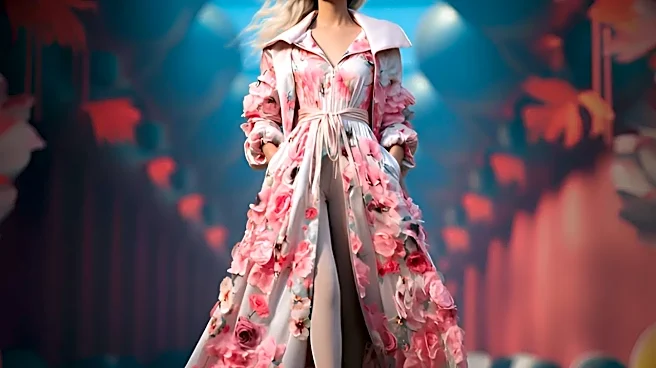
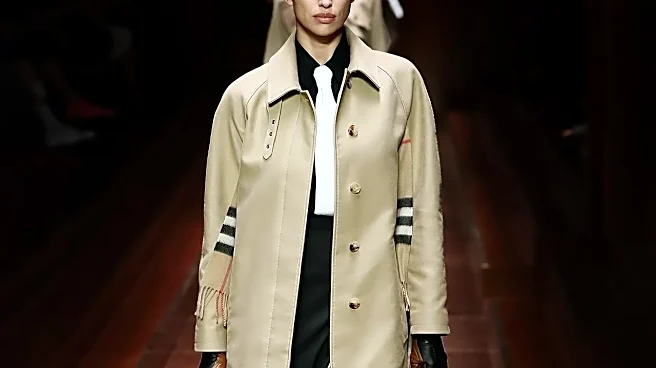
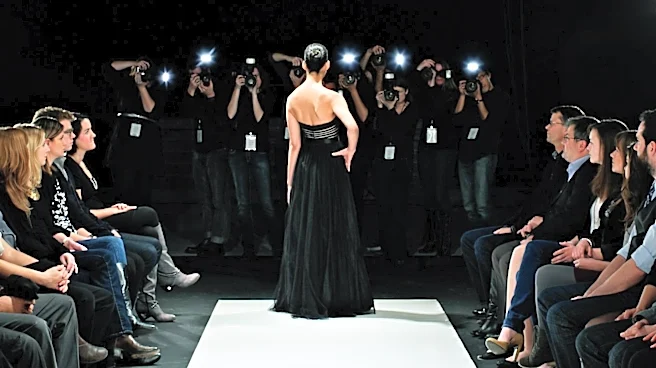
All eyes were on Milan in February 2026 for her debut Fall/Winter collection, the first tangible glimpse of her vision. The question on everyone's mind was how her established aesthetic would merge with Fendi's distinct codes—the playful grandeur of Karl Lagerfeld's 54-year reign and the earthy matriarchal power of the Fendi family. The early collections are the first clues to a long-term strategy. Observers are looking for the common threads: a focus on sophisticated tailoring that allows for movement, the elevation of practical bags and shoes, and the integration of intricate, meaningful craft. She is building a wardrobe, not a series of theatrical moments. It's a pragmatic approach to luxury that feels like a direct conversation with the Fendi sisters who founded the house in 1925 with a focus on sublime materials and peerless artisanship.
More Than Clothes: Building a Culture
For Chiuri, a brand is a cultural platform. At Dior, she used the runway to broadcast the words of authors like Chimamanda Ngozi Adichie. At Fendi, a house founded and run by a dynasty of powerful women, her mission appears even more personal. In her appointment statement, she spoke of Fendi as a "forge of talents" and an "extraordinary women-founded company." This signals a focus that goes beyond product. She is building an ecosystem that champions craftsmanship, nurtures talent, and reinforces the brand's identity as a uniquely female-powered force in luxury. Her leadership is not just about designing clothes for women; it's about solidifying a company culture that reflects their strength and creativity, a value system that will resonate long after a specific collection has left the stores.