





The Mission: Performance vs. Pose
The single biggest difference between athletic and sport-luxe swimwear comes down to purpose. Athletic swimwear is engineered for performance. Its job is to reduce drag, stay in place during vigorous movement, and withstand the harsh chemicals of a chlorinated
pool or the salt and sun of the ocean. Think of the suits worn by competitive swimmers, surfers, or triathletes. Every seam, strap, and panel is designed with hydrodynamics and security in mind. It's a piece of technical equipment first and a fashion item second. Sport-luxe swimwear, on the other hand, is all about aesthetics. It borrows the clean lines, high necklines, and bold color-blocking of athletic wear but translates them into a fashion statement. Its primary mission is to look chic and modern by the pool or at a beach club. While you can certainly swim in it, it’s not designed for doing laps or playing water polo. It prioritizes silhouette and style over speed and security.
The Fabric: Technical vs. Textural
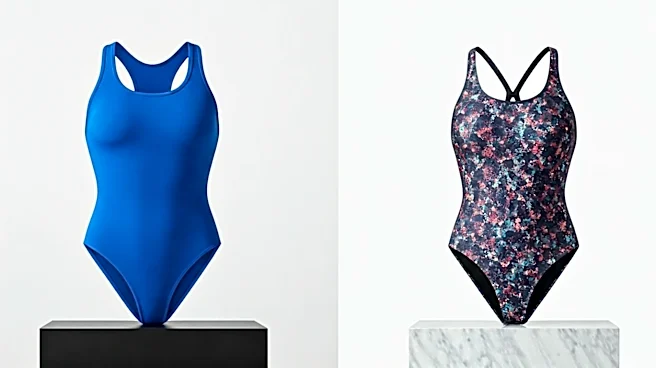
You can often tell the two apart just by touch. True athletic swimwear uses advanced technical fabrics. Look for materials like PBT (polybutylene terephthalate) or high-percentage Lycra Xtra Life, which are specifically designed to be 100% chlorine-proof and resist sagging and fading for hundreds of hours. These fabrics often feel smooth, compressive, and lightweight, molding to the body to minimize water resistance. Many also offer UPF 50+ protection for long hours spent training outdoors.
Sport-luxe swimwear is more concerned with hand-feel and visual appeal. You'll find a wider variety of materials, including ribbed knits, crinkled or seersucker textures, and even high-shine or metallic fabrics. Neoprene-like scuba material is another hallmark of the sport-luxe trend, offering structure and a distinctive high-fashion look. While these materials are suitable for water, they generally lack the extreme durability and chlorine resistance of their performance-focused counterparts.
The Cut: Secure vs. Sculptural
Design and construction provide the clearest visual cues. An athletic suit is built for security. Look for features like thick, non-adjustable straps, racerback or cross-back designs to keep straps from slipping, higher necklines to prevent scooping water, and modest-to-full seat coverage. The goal is a second-skin fit that won’t budge, bunch, or require adjustment mid-stroke.
Sport-luxe takes that athletic silhouette and plays with it. It’s where you’ll see trendy details that are often impractical for serious swimming. Think decorative front zippers that aren’t meant to be fully functional, strategically placed cutouts on the torso, asymmetrical one-shoulder designs, and super high-cut legs. While a one-piece might have a sporty racerback, it could be paired with a plunging neckline or a completely open back—details that prioritize a striking look over hydrodynamic efficiency.
The Details: Function vs. Fashion
Finally, examine the small details. Athletic swimwear is minimalist and functional. Branding is often discreet, and colors, while sometimes bright for visibility in open water, are typically solid or feature simple graphic patterns. Any extra features, like a small key pocket, are purely practical.
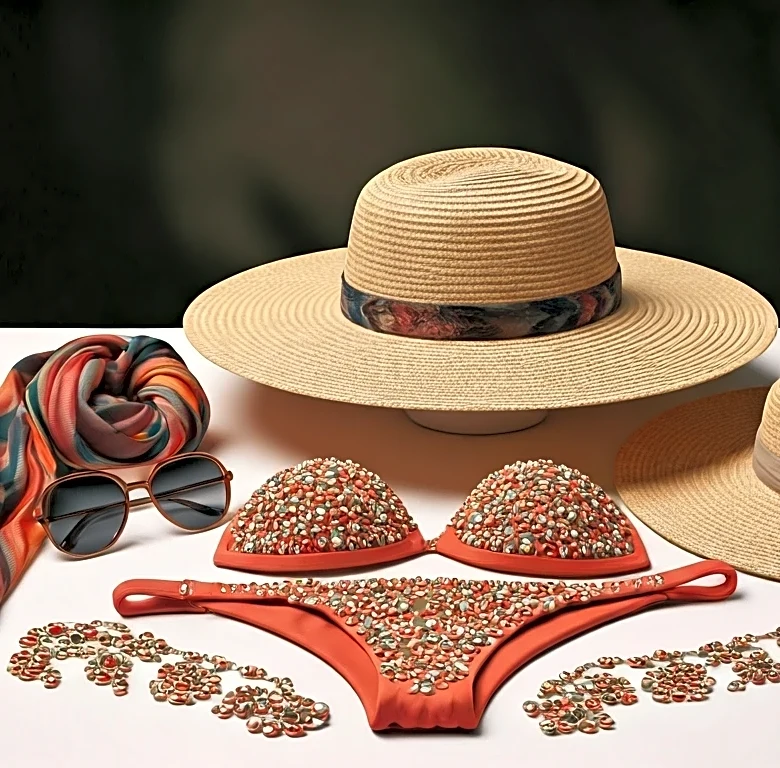
Sport-luxe swimwear is where designers add hardware and flair. You might find chunky plastic or metal belt buckles, branded elastic bands used as a design element (a nod to 90s sportswear), or contrasting piping designed to contour and flatter the body rather than improve performance. Color-blocking is common in both, but in sport-luxe styles, it's used more artistically to create a bold, graphic statement. Essentially, if an element seems more decorative than functional, you’re likely looking at a sport-luxe piece.