


The Blockbuster Is a One-Night Fright
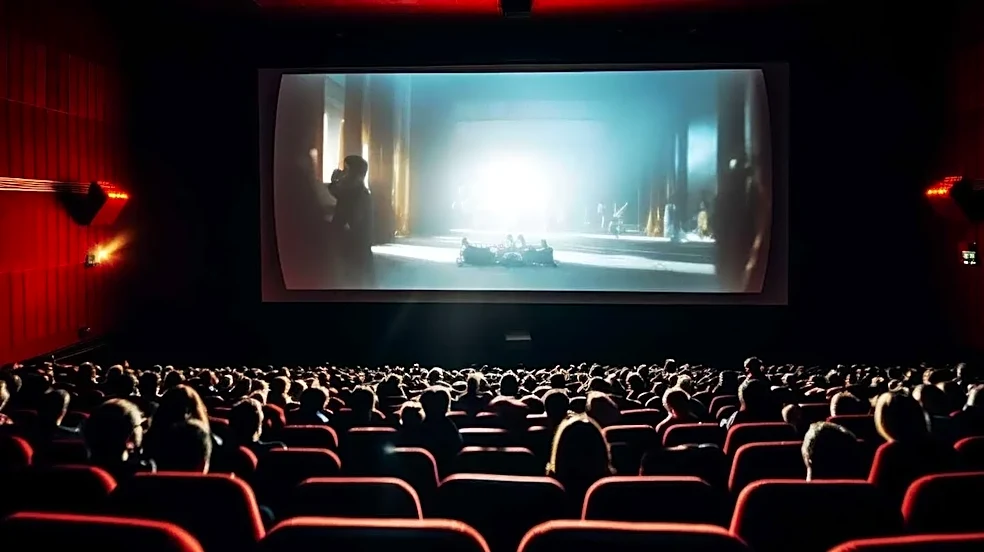
A massive opening weekend for a horror movie is usually driven by a few key ingredients: a killer marketing campaign, a high-concept premise that feels new, and the promise of intense, jump-out-of-your-seat scares. Films like 'It', 'The Conjuring', or 'A
Quiet Place' mastered this formula, drawing huge crowds eager for a communal, heart-pounding experience. They are cinematic events. But an event, by its nature, is something you attend once. The effectiveness of their biggest scares diminishes with repeat viewings. Once you know when the ghost will appear or how the monster will attack, the visceral thrill is gone, leaving you with just the story. And if that story is primarily an engine for delivering shocks, it might not have much else to offer on the second, third, or tenth viewing.
The Anatomy of a Comfort Classic
So what makes a movie a Halloween staple? It's less about the shock and more about the vibe. Think of a film like 'Hocus Pocus'. Upon its 1993 release, it was a critical and commercial flop. Yet, through years of cable TV reruns and home video, it became the quintessential Halloween film for a generation. The reason is simple: it’s not trying to be the scariest movie ever made. It’s about the cozy, slightly spooky feeling of autumn itself. These perennial favorites — films like 'The Nightmare Before Christmas', 'Beetlejuice', and 'Practical Magic' — are built on charm, memorable characters, and a world you want to revisit. They offer nostalgia and a comforting atmosphere that feels like putting on a favorite sweater, not surviving a two-hour ordeal.
From Flop to Fan Favorite
The path to becoming a beloved Halloween classic is often a long and winding one, littered with initial disinterest. John Carpenter's 'The Thing' was a box office bomb in 1982, dismissed by critics at the time but is now considered one of the greatest horror films ever made. Similarly, 'Jennifer's Body' was misunderstood and flopped in 2009, only to be reclaimed years later as a feminist horror-comedy classic. These films found their audience over time because they had something more to say. Their themes were ahead of their time or their unique blend of horror and comedy took a while to be appreciated. Unlike a blockbuster that needs immediate, widespread appeal, these 'cult' favorites connect deeply with a specific audience that keeps them alive through word-of-mouth and annual tradition.
The Rare Film That Does Both
Of course, some movies manage to conquer the box office and secure a permanent spot in the Halloween rotation. John Carpenter’s original 'Halloween' (1978) is a prime example. It was a low-budget indie that became a massive success and effectively created the modern slasher genre. Its power comes from its simplicity, its chilling score, and the creation of an iconic villain in Michael Myers. Wes Craven’s 'Scream' did it again in 1996, combining genuine scares with a witty, self-aware script that made it both thrilling on the first watch and endlessly rewatchable for its cleverness. These films succeed on two levels: they deliver the immediate theatrical thrills of a blockbuster while also possessing the unique iconography, atmosphere, and smarts that invite viewers back year after year.