






The False Economy of a ‘Bargain’
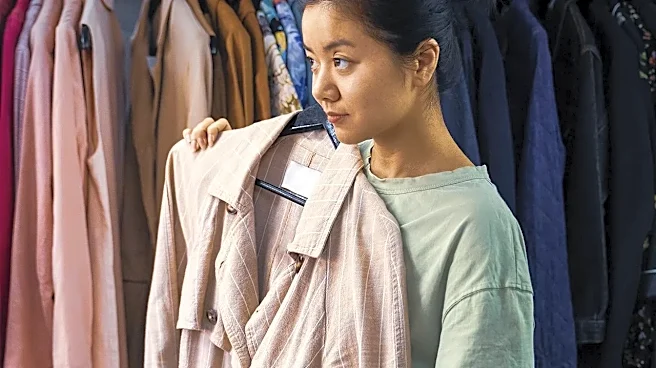
We’ve all been tempted by the fast-fashion bargain: a trendy, low-priced item that feels like a win at the register. But think about your closet. How many of those 'steals' have been worn only once or twice before being relegated to the back, their fleeting
trendiness expired? This is where the true cost of clothing reveals itself. A $50 jacket worn twice costs you $25 each time you put it on. That’s not a bargain; it’s expensive rent for a small space in your wardrobe. The logic of cost-per-wear flips this thinking on its head. It encourages a shift from chasing quantity to investing in quality, focusing on pieces that you'll love and wear for years, not just for a season.
What Is Cost-Per-Wear, Exactly?
Cost-per-wear (CPW) is a simple but powerful formula that calculates the true value of a garment. You take the total price of the item and divide it by the number of times you wear it. So, a $400 statement jacket that you wear 200 times over five years has a CPW of just $2. Suddenly, that $40 fast-fashion top you wore four times (for a CPW of $10) looks like the less savvy purchase. The math reframes the conversation from 'How much does it cost?' to 'What is the value I'm getting?'. It forces an honest assessment of your own habits. Will you genuinely reach for this piece again and again? If the answer is yes, the initial sticker shock becomes much less intimidating.
Anatomy of an Investment-Worthy Jacket
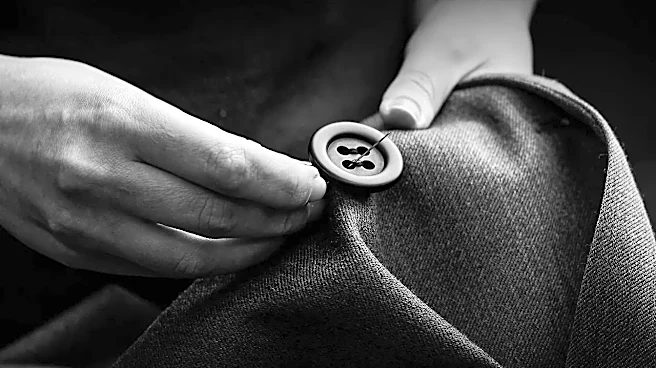
Not every expensive jacket is a smart investment. A true statement piece that stands the test of time has a few key characteristics. First, a timeless silhouette. Think of the classics that never fade: the tailored blazer, the leather moto jacket, the elegant trench coat, or the cozy wool overcoat. Second, superior materials and construction. High-quality fabrics like wool, cashmere blends, or genuine leather not only look better but are also more durable, resisting pilling and holding their shape. Check the details: a full lining, sturdy buttons, and clean stitching are all signs of a well-made garment built to last. Finally, consider versatility. The right jacket should work over jeans and a tee, a dress for dinner, or even professional attire. It’s a wardrobe workhorse that instantly elevates any outfit it’s paired with.
Finding Your Signature Statement
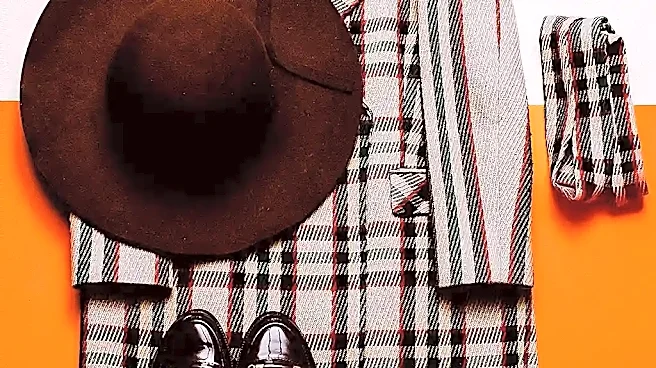
A statement jacket makes an impact through its cut, color, or pattern, instantly transforming a simple outfit. But for the cost-per-wear math to work, it has to be a statement you are comfortable making repeatedly. This is where personal style trumps passing trends. Before you invest, audit your closet. What colors do you gravitate towards? What silhouettes flatter your shape? Does the jacket complement your daily life? If you live in a casual environment, a sequined bomber might not get as much play as a beautifully cut utility jacket. The goal isn't just to own a beautiful object, but to find a piece that feels like an extension of your personality—the one you reach for without thinking because it makes you feel confident and put-together.
More Than Money: The Sustainable Choice
The case for a re-wearable statement jacket extends beyond your wallet. The fashion industry is a significant source of waste, with millions of tons of textiles ending up in landfills each year. Opting for one high-quality, durable piece instead of several low-quality, disposable ones is a fundamentally more sustainable act. By investing in longevity, you reduce your consumption and waste, lessening your environmental footprint. It's a conscious choice to buy fewer, better things—a philosophy that supports both personal style and planetary health. A well-made jacket isn’t just a purchase; it's a commitment to a more intentional and less wasteful wardrobe.