







The Red Carpet Expectation
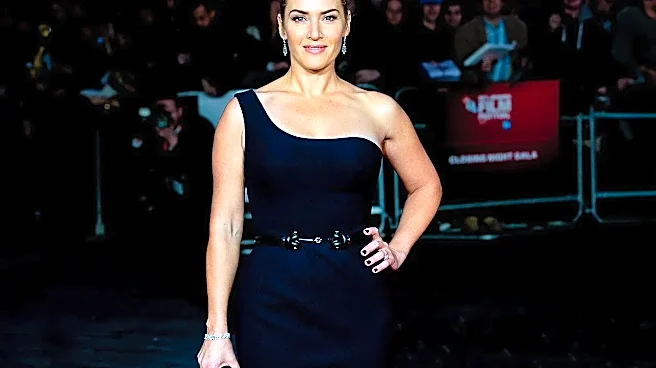
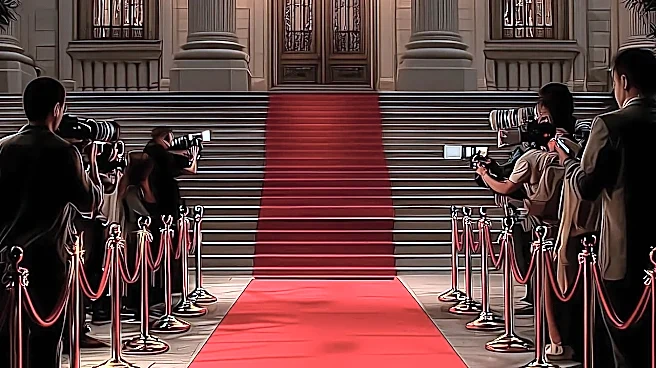
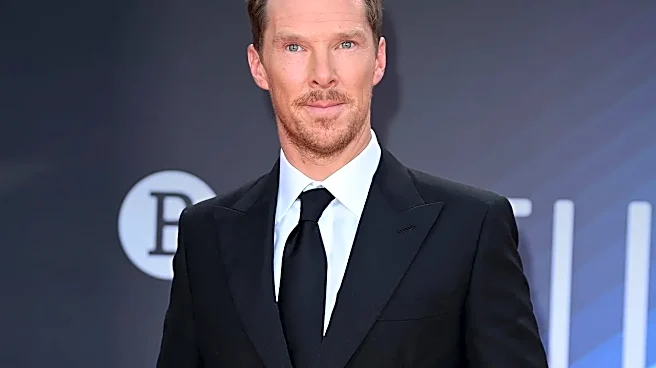
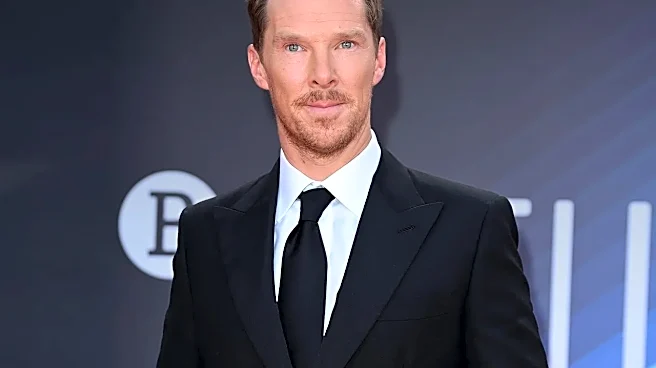
The major film festival circuit, from Cannes to Venice and now London, operates on a familiar rhythm. Big premieres demand big fashion. We expect to see A-list actors in breathtaking, often custom-made, creations from the world's most prestigious design
houses. It’s a high-stakes performance of glamour and branding, for both the star and the label they're wearing. This year's BFI London Film Festival is no different, with a star-studded lineup expected to deliver showstopping moments. These red carpet events are a visual feast, a well-oiled machine of stylists, designers, and publicists working in perfect harmony to create an unforgettable image. But this polished perfection, while beautiful, is only half the story.
A Shift to 'Real' Style
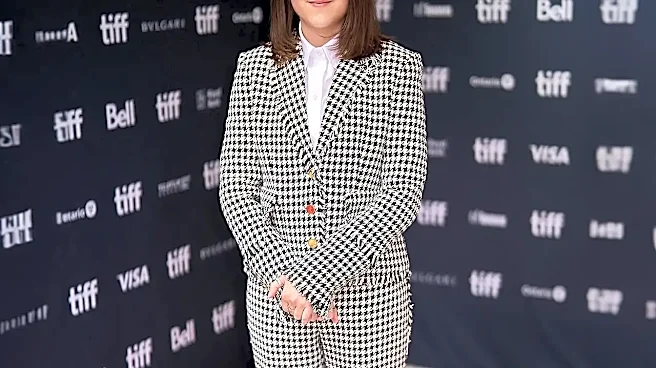
The real story is unfolding during the festival's quieter hours. It’s in the outfits worn to press junkets, industry panels, and even just walking between venues on London's South Bank. Here, the 'performance' of the red carpet gives way to something more akin to personal style. We're seeing actors and directors in thoughtfully curated, yet more grounded, ensembles: a perfectly cut blazer, a unique piece of knitwear, or vintage denim paired with a statement boot. It's less about borrowing a multimillion-dollar necklace and more about expressing an individual point of view. This isn't about dressing down, but dressing with a different intention. The focus shifts from 'who are you wearing?' to 'who are you?'.
The Allure of Authenticity
So, why is this happening now? In an era saturated with hyper-curated digital content, there's a growing appetite for authenticity. The off-duty, off-the-record moment has become just as, if not more, fascinating than the official portrait. Paparazzi shots and candid Instagram stories offer a glimpse behind the curtain, and audiences are connecting with it. For celebrities, the 'day look' is a powerful tool to shape their public persona in a way that feels more genuine and relatable. It’s a space to experiment and signal their interests, whether through supporting emerging designers, championing sustainable fashion, or simply wearing something that feels comfortable and true to them. This move is also a quiet form of resistance against the immense pressure and scrutiny of the red carpet, where every seam and accessory is dissected online.
London's Unique Fashion Identity
London itself plays a huge role in this trend. Unlike the unapologetic glamour of the French Riviera, London's fashion identity has always been edgier, more eclectic, and rooted in street style. The city's creative energy encourages individuality. The BFI has even noted there's no official dress code for its galas, inviting attendees to come as they are. This creates a fertile ground for a more personal approach to festival dressing. We're seeing this ethos reflected not just in street style but also in the festival's program, which includes events discussing fashion as a form of resistance and identity. The result is a style landscape that feels dynamic and refreshingly real, reflecting the city's spirit of bold self-expression.