
You found it: the almost-perfect dress, blazer, or pair of pants. The color is right, the fabric is great, but the fit is just… off. Before you walk away, consider the tailor. An alteration can transform a good-enough garment into a perfect one.
The High Cost of a Poor Fit
The secret
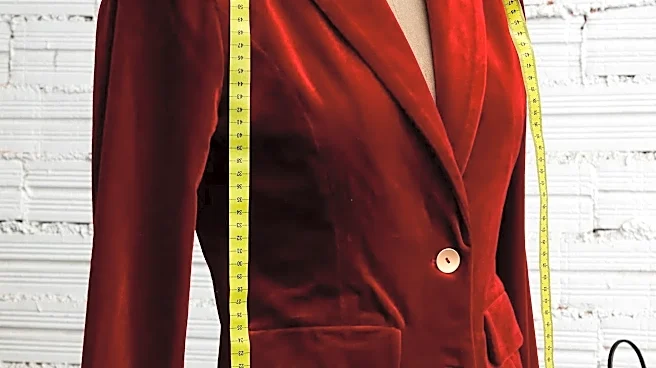
to making affordable clothes look expensive isn't about the price tag; it's about the fit. Off-the-rack clothing is designed for a generic body shape that few people actually have. As a result, even pricey garments can look cheap if they don't fit well. A jacket with sleeves that are too long, trousers that bunch at the ankle, or a dress that's boxy at the waist can undermine your entire look. This is where a tailor becomes your greatest asset. By investing in alterations, you are paying for a custom fit that creates a clean, intentional silhouette. That $60 blazer from the department store, once tailored for $50, can look sharper and more valuable than a $300 one that's left unaltered.
Assess the Garment's 'Bones'
Not every piece of clothing is worth the investment. Before heading to the tailor, evaluate the garment’s potential. First, look at the fabric quality. Natural fibers like wool, cotton, and linen generally alter well and last longer than cheap synthetics, which can be difficult to work with. Second, check the construction. Does it have decent seam allowances? Seam allowance is the extra fabric inside a garment that a tailor can use to let it out. High-quality pieces often have more generous allowances. Avoid tailoring items that are poorly made, trendy pieces that will be out of style next season, or anything with significant damage like irreparable stains or worn-out fabric. The goal is to elevate a solid, well-made item, not to rescue a lost cause.
High-Impact, Lower-Cost Alterations
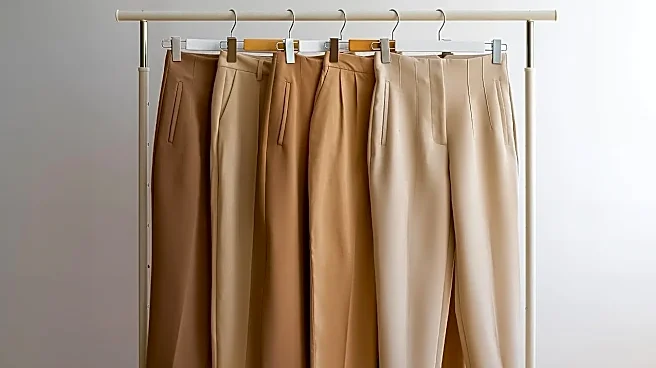
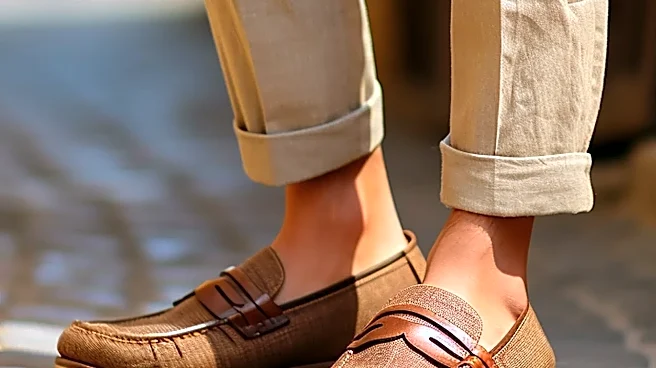
Some alterations offer more bang for your buck than others. Simple fixes can have a dramatic impact. Hemming pants or skirts is one of the most common and affordable alterations, typically costing between $15 and $50. It ensures your pants have the perfect 'break' over your shoes. Taking in the side seams of a shirt or dress to eliminate a boxy shape is another easy win. Likewise, shortening sleeves, adding darts for shaping, or adjusting a waistband can make a garment look custom-made for a relatively modest cost, often in the $20 to $60 range. Even replacing cheap plastic buttons with higher-quality ones is a small, inexpensive change that can instantly elevate a jacket or coat.
When to Proceed with Caution
While many alterations are straightforward, some are complex, expensive, and risky. The golden rule of alterations is to ensure the garment fits in the shoulders first. Altering the shoulders of a jacket or structured dress is one of the most difficult and costly jobs, sometimes requiring a full reconstruction of the garment. If a jacket is too tight or too wide across the shoulders, it's almost always better to pass. Trying to let a garment out by more than one or two sizes is also often impossible, as fast fashion items in particular may have very little seam allowance to work with. A good tailor will be honest about what is and isn't possible, so always ask for their expert opinion before committing.
Doing the Final Math
So, how do you decide if it’s the better buy? Think in terms of total cost and costperwear. Imagine a pair of wellmade trousers for $90 that need a $30 hem. Your total investment is $120 for a perfectly fitting pair youll wear for years. Compare that to a $200 pair that fits 'okay' but never feels quite right, causing you to wear it less often. The tailored moderateprice option often provides far greater longterm value. Sometimes, the math is even simpler : a $40 dress with a $55 alteration can still be a better deal than a similar highend dress costing $150 or more. The key is to stop seeing alterations as an extra expense and start seeing them as an investment in a wardrobe that truly works for you.