






The Irresistible Pull of Nostalgia
Let’s be honest: the moment we hear Randy Newman’s “You’ve Got a Friend in Me,” a part of our brain lights up that no other music can reach. For many Millennials and Gen Z-ers, the Toy Story saga isn’t just a series of movies; it’s a foundational piece
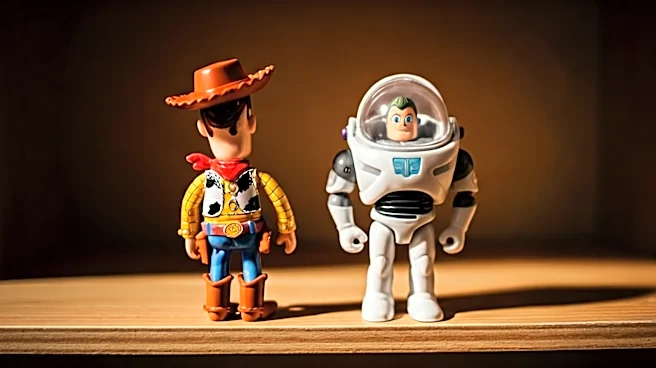
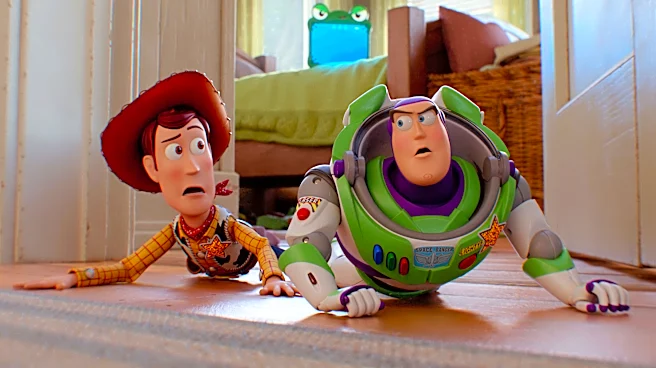
of childhood. We grew up alongside Andy, grappling with the bittersweet reality of moving on. Woody and Buzz are more than characters; they are stand-ins for our own cherished playthings and the innocence they represent. Disney and Pixar know this. The announcement of a fifth installment, with both Tom Hanks and Tim Allen reportedly returning, is a direct appeal to that deep-seated affection. It’s a promise of comfort food in a chaotic world. The chance to spend another 90 minutes in this vibrant, lovingly crafted universe is a powerful draw. It’s the cinematic equivalent of a warm hug—a trip back to a simpler time when the biggest problem was a toy falling behind a dresser. This nostalgia is not just a feeling; it's a bankable asset, and it’s the primary reason a fifth movie is not only possible but commercially inevitable.
The Perfect Ending We Already Had (Twice)
The skepticism around Toy Story 5 is earned. When Andy gave his beloved toys to Bonnie at the end of Toy Story 3, it was a cinematic gut-punch in the best possible way. It was a perfect, poignant thesis on love, loss, and the grace of letting go. It felt like the definitive end, a graduation for the characters and the audience alike. Many viewers left the theater in 2010 thinking, “They can never top that.” Then came Toy Story 4. Against all odds, it delivered a surprisingly thoughtful epilogue, giving Woody his own closure by allowing him to choose a new life with Bo Peep. It shifted the franchise’s focus from serving a child to finding one’s own purpose. While divisive for some, it offered another graceful, if unexpected, exit ramp. By providing two emotionally complete conclusions, Pixar has created a unique problem: any further continuation risks feeling like a dilution. It’s like a band playing two encores and then coming back out for a third; you’re happy to see them, but you can’t shake the feeling that the show should have already ended.
The Hard Reality of the Streaming Wars
This is the “reality check” part of the equation. Pixar in 2024 is not the same studio it was in 1995 or even 2010. It now exists as a crucial content pillar for the Walt Disney Company, tasked with feeding the insatiable appetite of Disney+. The pressure is no longer just to create timeless classics but to build out and monetize intellectual property (IP). We saw this strategy falter with Lightyear, a spinoff that tried to capitalize on the brand without the core emotional elements that made it special. Its underwhelming box office performance was a stark warning about the limits of brand extension. Toy Story 5 feels like a direct response to that misstep. Instead of a risky spinoff, the studio is returning to its most reliable and beloved IP. It’s a move that feels more corporate than creative—a decision made in a boardroom to shore up a streaming service and guarantee a box office hit in an uncertain theatrical market. In this new landscape, even the most artistically pure franchises are, first and foremost, assets on a balance sheet. The fifth film’s existence is a clear signal that no story is ever truly over if it can still generate revenue.
Ignoring the Franchise’s Own Central Lesson
Herein lies the central, poignant irony. The entire Toy Story saga is a masterclass on the beauty and pain of moving on. From Woody’s fear of being replaced by Buzz to the toys’ terror of the junkyard in the third film, the narrative has always been about accepting change and knowing when a chapter is closed. Andy had to let go of his toys to go to college. Woody had to let go of Andy to find a new purpose. The franchise’s emotional power comes from its mature understanding that nothing lasts forever. Yet, by greenlighting a fifth movie, the studio seems to be ignoring this very lesson. The commercial imperative to “never let go” of a profitable franchise stands in direct opposition to the story’s artistic soul. It’s a conflict that places the audience in a strange position. We are being asked to embrace the continuation of a story whose most powerful message is that all things must end. This disconnect is the ultimate reality check for fans who have grown up with these films.