



The Psychology of a Perfect Memory
Let's be honest: these movies aren't just films; they're emotional anchors. For many, animated classics are tied to core childhood memories. Psychologists explain that nostalgia is a powerful, often bittersweet emotion that connects us to a past self
that felt simpler or happier. When you rewatch a beloved film, you're not just seeing the story again; you're tapping into the feelings and memories associated with it, creating a sense of stability and comfort. A remake, by its very existence, threatens to alter that perfect, preserved memory. It feels less like an homage and more like an attempt to overwrite a piece of your personal history. This anxiety isn’t about being against new things; it’s a protective instinct for a feeling we hold dear.
Lost in Translation
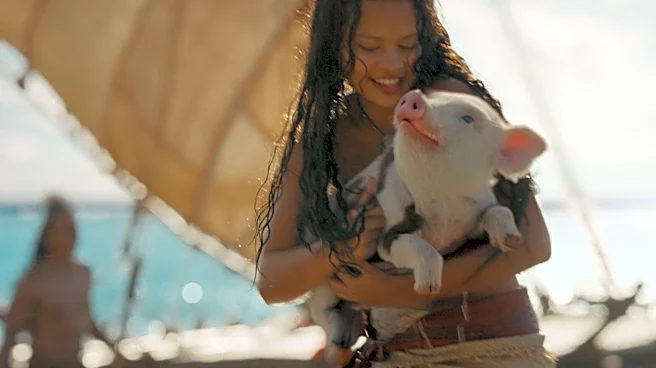
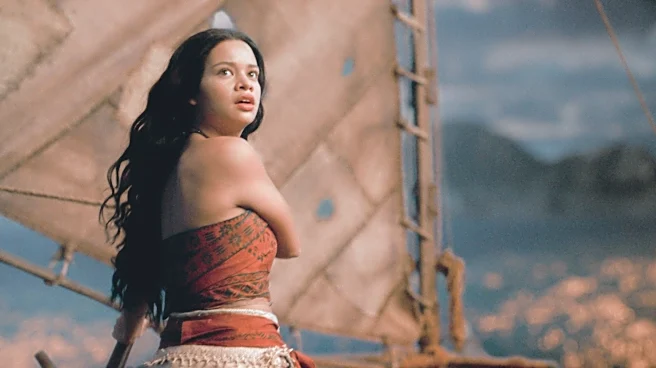
There's a special magic to animation. The medium allows for an expressiveness that live-action struggles to replicate. A crab with the charisma of a Broadway star or a pig sidekick with perfect comedic timing works flawlessly in a cartoon. When translated to photorealistic CGI, that magic can curdle into something awkward or even unsettling—the dreaded "uncanny valley." Early reviews for the live-action "Moana," for example, criticized the film for turning a vibrant world into something that looked flat and artificial, losing the original's charm. The very things that made the animated characters lovable, like their exaggerated features and fluid movements, often become liabilities in live-action, proving that some stories are intrinsically tied to the medium in which they were born.
It's Not Art, It's Assets
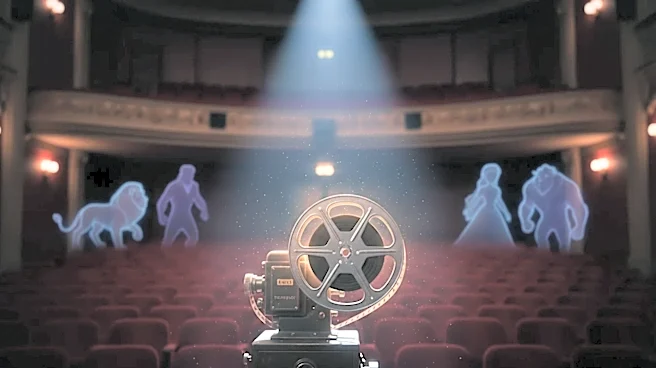
While fans debate artistic merit, studios are running a different calculation. Live-action remakes are, first and foremost, a business strategy. In an era of cinematic universes and billion-dollar franchises, an established intellectual property (IP) is the safest bet a studio can make. Why risk hundreds of millions on an original idea when you have a built-in audience that already loves the story and characters? Films like "The Lion King" and "Beauty and the Beast" have grossed over a billion dollars each, proving the formula's financial power. These projects aren't just movies; they are brand renewals designed to sell merchandise, drive streaming subscriptions, and introduce classic characters to new international markets. The anxiety, then, also comes from the cynical feeling of being sold your own childhood back to you.
The Fear of Legacy Dilution
Even if the original film remains untouched on your shelf or streaming service, a lackluster remake can feel like it tarnishes the brand. There’s a fear the new, often inferior, version will become the primary one for a new generation. Critics and fans often describe these remakes as “creatively bankrupt” or “soulless,” existing only as a cheap imitation of a superior film. The recent live-action "Moana" was slammed for being a near shot-for-shot copy that added nothing new, raising the question: what is the point? This feeling of creative exhaustion from Hollywood can lead to audience fatigue. The worry is that the cultural conversation shifts to the remake, diluting the impact and artistry of the masterpiece that started it all.