





The Stage: More Than a Trade Show
Pitti Uomo began as a formal trade show for Italian menswear, a place for buyers and brands to connect inside the historic Fortezza da Basso. But over the last two decades, it morphed into something else entirely. The plaza outside the main exhibition
halls became a runway in its own right, a sartorial spectacle where attendees, nicknamed the “Pitti Peacocks,” perform for an audience of photographers and style enthusiasts. It’s here that trends are not just displayed, but created. Unlike a traditional runway show where a designer dictates a look, Pitti is about individual expression. The goal is to stand out, to assemble an outfit that is both classic and deeply personal. This environment created the perfect petri dish for accessories to take center stage.
The Amplifier: Street Style Photography
The transformation of Pitti from an industry event into a global style phenomenon can be credited to one major force: the rise of the street style photographer. In the mid-2000s, bloggers like Scott Schuman of The Sartorialist and Tommy Ton began documenting the outfits of real people with an artistic eye. Their blogs and, later, their Instagram feeds, became as influential as legacy fashion magazines. They didn't just capture a full look; they zoomed in on the details—the roll of a cuff, the knot of a tie, the way a blazer draped. And, crucially, the watch peeking out from under a shirt sleeve. Suddenly, a specific, often subtle choice of timepiece was being broadcast to millions of aspiring stylish men around the world. The “wrist shot” became a genre unto itself, turning watch spotting into an international sport.
The Ethos: Sprezzatura and Storytelling
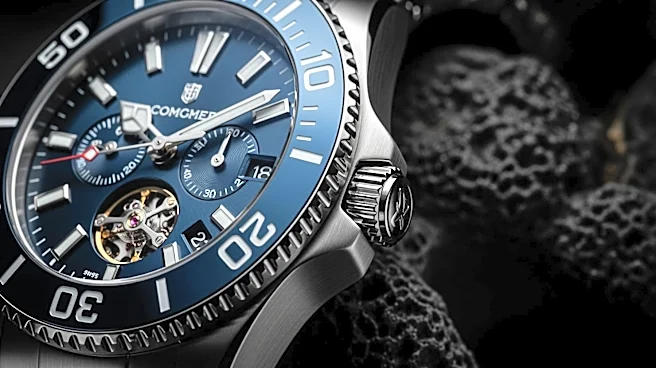
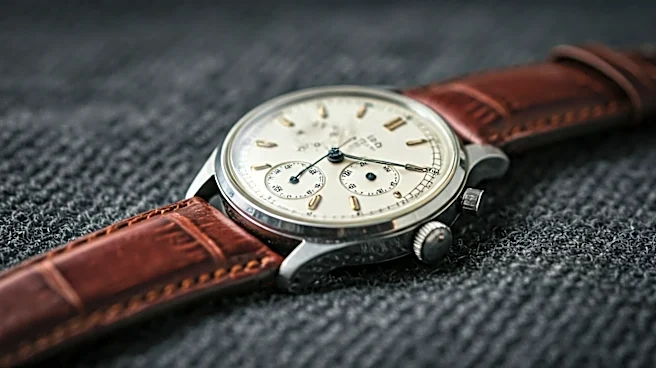
The dominant aesthetic at Pitti is “sprezzatura,” an Italian concept that means “studied carelessness.” It’s the art of looking impeccably put-together without appearing to have tried at all. A brand-new, diamond-encrusted luxury watch screams effort. A vintage one does the opposite. A 1970s Heuer Autavia on a worn leather strap, a modestly-sized Cartier Tank with a faded dial, or a classic Rolex Submariner on a utilitarian NATO strap all tell a story. They have patina, history, and an inherent imperfection that aligns perfectly with sprezzatura. These weren't the safe-deposit-box trophies of traditional watch collecting. They were tools, worn and loved. This narrative quality made them infinitely more interesting than something fresh from the boutique. It suggested a life lived, a history that predated the current owner, making the watch a conversation piece, not just a status symbol.
The Impact: From Niche to Mainstream
The combination of Pitti’s sartorial stage, the amplifying power of street style photography, and the appeal of sprezzatura created a powerful feedback loop. A style editor from Tokyo might be photographed wearing a vintage Universal Genève Polerouter. That photo, posted on a popular blog, would be seen by thousands. Soon, interest in that specific model—previously a niche concern for hardcore collectors—would spike. The watch wasn't just a watch anymore; it was part of a look, a key to achieving a certain effortless cool. Pitti Uomo effectively re-contextualized vintage watches. It took them out of the hands of purely technical horologists and placed them firmly in the menswear lexicon. It demonstrated that the most compelling accessory isn’t necessarily the most expensive or the shiniest, but the one with the best story to tell.