





The Authenticity Engine
In an age of endless streaming choices and fragmented audiences, traditional movie marketing like trailers and posters is no longer enough. Today’s viewers, particularly younger demographics, crave connection and are skeptical of slick, corporate advertising.
This is where cast chemistry comes in. A seemingly genuine friendship or a rumored off-screen romance feels more real and trustworthy than a 30-second TV spot. Publicists have realized that by showcasing the personal dynamics between actors, they can create an emotional entry point for audiences. This isn't just about selling a film; it's about making the public feel invested in the people who made it. When fans feel they're getting a glimpse behind the curtain at a real relationship, the movie itself becomes an extension of that compelling narrative.
Manufacturing the Moment
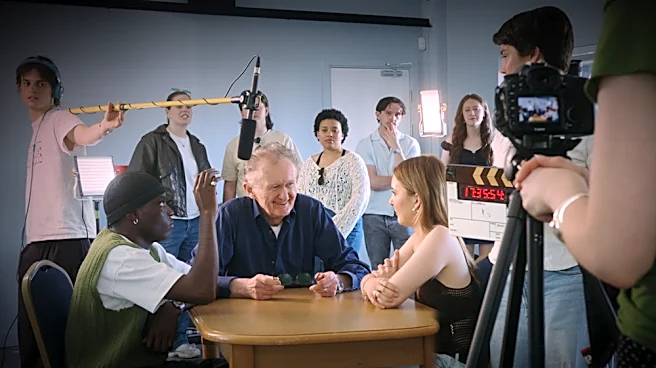
Turning rapport into revenue is a deliberate art. The process often begins during filming, with publicists encouraging actors to share behind-the-scenes photos and stories on social media. Once the official press tour begins, it kicks into high gear. The strategy involves more than just standard interviews. Publicists arrange for co-stars to participate in activities designed to showcase their dynamic, from playing games in short-form videos to appearing on popular YouTube shows. Seating arrangements, inside jokes, and even coordinated fashion choices can all be part of the plan. This content is engineered for virality, designed to be clipped, shared, and discussed by fans online, creating a continuous drumbeat of buzz that keeps the film at the top of social media feeds.
From Likes to Ticket Sales
The return on this investment is tangible. A viral press tour moment can generate billions of impressions on platforms like TikTok, creating massive awareness for a film that might have otherwise been lost in a crowded market. This digital buzz translates directly into audience interest and, ultimately, ticket sales or streaming views. The phenomenon of "shipping"—where fans become emotionally invested in a real or fictional relationship—is a powerful driver of engagement. Studios have seen that films with strong cast chemistry on the promotional circuit can outperform expectations. The success of movies like "Anyone But You," which became a word-of-mouth hit largely thanks to the social media discourse around its leads' chemistry, proved that this strategy can turn a modest film into a major commercial success.
The Chemistry Bubble
However, this strategy is not without its risks. When the manufactured chemistry feels forced or inauthentic, it can backfire and lead to audience ridicule. There's also the danger of "romance baiting," where a promotional campaign heavily implies a romance that isn't real or isn't central to the film's plot, sometimes leading to viewer disappointment. Furthermore, if the on-screen product doesn't live up to the off-screen hype generated by the cast's charm, it can create a backlash. The pressure on actors to perform this off-screen version of their roles is also immense. In the end, while a sparkling press tour can provide a significant boost, the film itself still has to deliver.