


The Default Setting: A World of Noise
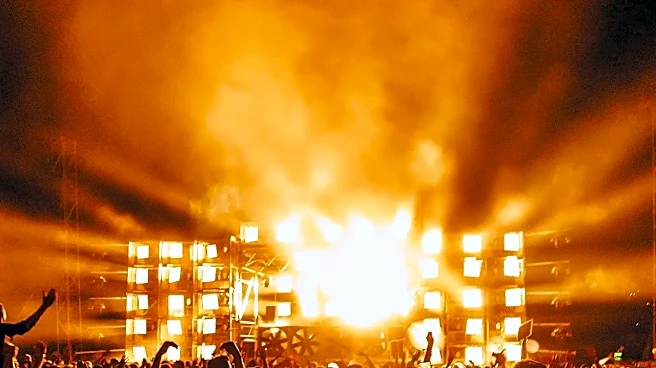
For first-timers and veterans alike, the sound of Black Rock City is an overwhelming, immersive experience. It's a key part of its culture of radical self-expression. The city is designed with sound in mind, featuring designated Large-Scale Sound Zones
where massive speaker installations face the open playa, creating an all-night party atmosphere. Mutant vehicles, transformed into mythical beasts or futuristic vessels, are equipped with sound systems that become the mobile soundtrack of the desert. This auditory chaos is, for many, the very pulse of the event—a celebration of life and freedom expressed at maximum volume. The environment is a natural amplifier, and the sheer density of creative expression means that sound, in all its forms, is an unavoidable element of the landscape. It is the energetic, frenetic heartbeat that defines the public perception of this temporary metropolis.
The Search for Sanctuary
Yet, within this symphony of beautiful noise, thousands of participants actively seek out its opposite. Quiet is not an accident at Burning Man; it's a curated and protected experience. While there are no longer officially designated "quiet sides" of the city, the culture encourages negotiation and respect between neighboring camps. Many camps are explicitly designed as sanctuaries for relaxation and rejuvenation. Camps like "Alchemy Stop" offer a "quiet musical retreat," while others like "ZaZen" provide spaces to relax and play games away from the intensity. Even the event's official policies have evolved to manage the soundscape, creating rules around speaker direction and volume levels to maintain a balance between expression and community consideration, proving that quiet is a valued commodity. Participants find that deliberately choosing moments of stillness can drastically improve their ability to be present.
The Playa's Quiet Heart: The Temple
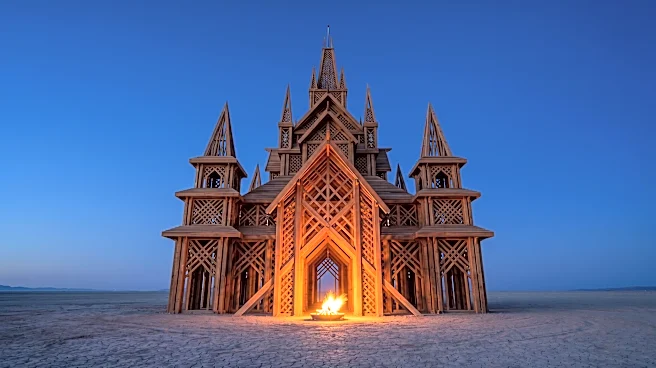
Nowhere is the power of silence more profound than at the Temple. Standing in quiet contrast to the rest of the city, the Temple is a large-scale, non-denominational spiritual space built each year. It is not a place for partying; it is a sanctuary for reflection, remembrance, and release. The tradition began in 2000 when the first Temple became a spontaneous memorial. Ever since, attendees have covered its walls with photos, letters, and mementos honoring lost loved ones, letting go of grief, or celebrating survival. Inside, a hushed reverence prevails. People sit alone in quiet contemplation or share whispered stories. The collective emotional weight is palpable. Its importance is so central that even the event's sound policy makes a specific exception for its most important ritual: there is to be no amplified sound played during the Temple burn.
A Burn Watched in Silence
The week culminates in two very different burns. The burning of the Man on Saturday is a raucous, exuberant celebration. But the Temple burn on Sunday night is a starkly different ritual. As the massive, intricate structure is consumed by flames, a profound and respectful silence falls over the tens of thousands of onlookers. This quiet is not empty; it is filled with the collective grief, hope, and catharsis of an entire city. It is a shared moment of letting go, a ritual cleansing where the silence speaks louder than any sound system on the playa. For many long-time attendees, this solemn ceremony—not the wild parties—is the true soul of the event and the primary reason they return year after year. It's the moment the event's hedonistic and spiritual sides merge, offering a powerful lesson in impermanence.