



The Rise of the Pitti Peacock
First, let’s be clear: Pitti Uomo is a hugely important menswear trade show where brands and buyers connect. For decades, it was an industry-only affair. But in the late 2000s, with the explosion of street style blogs, something shifted. Photographers
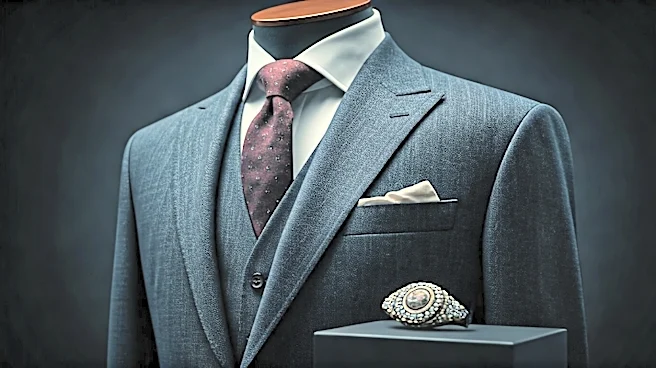
began camping outside the gates, hunting for subjects. And a certain type of attendee began dressing not for business, but for the camera. This gave birth to the “Pitti Peacock.” You know the look, even if you don’t know the name. It’s a man in a too-tight, too-short suit made of a fabric too loud for any real-world occasion. He’s wearing three-too-many accessories: a lapel flower, a tie bar, a pocket square erupting from his chest, colorful socks, and bracelets stacked halfway up his arm. Every single item is a “statement piece.” The result is a cacophony of classic menswear signifiers, all screaming for attention at once. This isn't an outfit; it's a walking mood board of menswear clichés.
Performance, Not Personal Style
This is the core of the Pitti Uomo mistake: it frames getting dressed as a performance. The goal is not to feel good, be comfortable, or express a personal point of view. The goal is to get photographed. It’s a style born from a desire for external validation, optimized for a 1080-pixel square on a social media feed.
When style becomes performative, clothing becomes a costume. A costume is something you put on to play a character. A man dressing like a Pitti Peacock isn’t dressing as himself; he’s dressing as the character of “dandy” or “impeccably dressed gentleman.” But true style icons, from Steve McQueen to Paul Newman, never looked like they were playing a part. Their clothes were an extension of their personality, not a shield for it. The confidence came from within, and the clothes simply followed. The Pitti mistake reverses this. It suggests that if you just put on enough “classic” items, you can fake your way into being stylish.
The Co-opting of Vintage
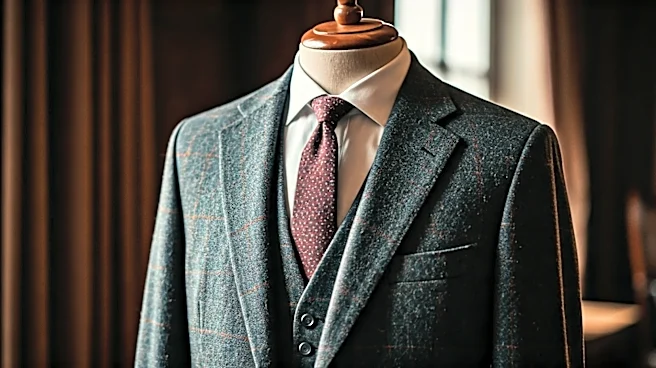
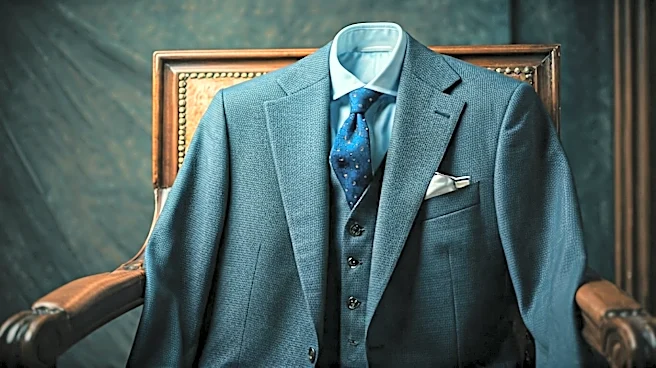
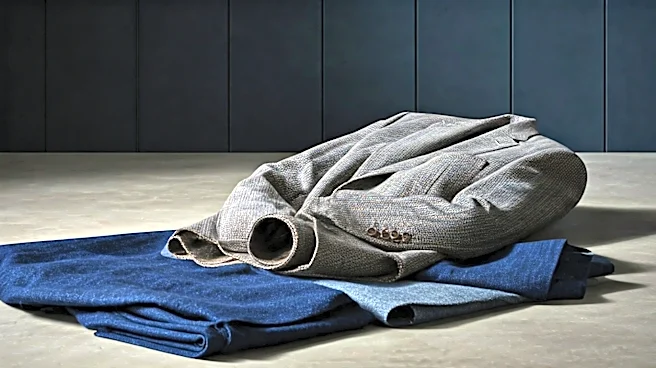
Herein lies the damage to vintage. The peacock aesthetic borrows heavily from the language of heritage and classicism—tweed, double-breasted suits, fedoras, brogues. These are items with deep roots and real history. A well-worn Barbour jacket tells a story. A 50-year-old tweed sport coat holds its shape because it was made to last a lifetime. These pieces have soul.
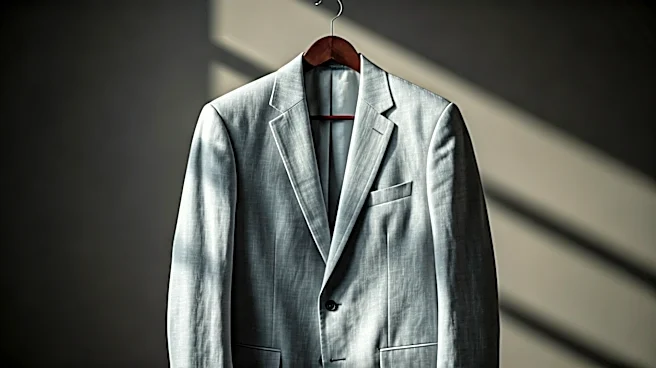
But in the hands of the peacock, they become soulless props. The tweed isn’t worn for its warmth and durability; it’s worn because it photographs well and signals “heritage.” The history is stripped away, leaving only a surface-level signifier. This creates an unfortunate association: if you wear a vintage fedora or a classic three-piece suit, people might assume you're also just playing dress-up. It makes genuinely appreciating and wearing historical clothing feel theatrical and inauthentic, scaring off men who just want to incorporate a cool, old piece into their modern life.
Reclaiming Authentic Style
So, how do we wear vintage without it feeling like a costume? The answer is integration, not accumulation. The most stylish people don’t wear head-to-toe vintage, looking like they just stepped out of a time machine. They blend it. They find one or two special pieces and build a contemporary wardrobe around them.
It’s about wearing your grandfather’s handsome old watch with a modern t-shirt and jeans. It’s about pairing a vintage military field jacket with a new pair of sneakers and chinos. The magic happens in the contrast between old and new. The vintage piece brings character and history, while the modern pieces ground it in the present. This approach makes the vintage item a part of your personal story, not a costume from a bygone era. It looks natural because it is natural. You’re not wearing an idea; you’re just wearing great clothes that happen to have a past.