


The Allure of Imperfect Authenticity
In an era of flawless CGI and hyper-polished content, our brains have become adept at spotting artifice. A multi-million dollar production can feel sterile and distant, like looking at a pristine but empty showroom. Low-budget Americana, however, often
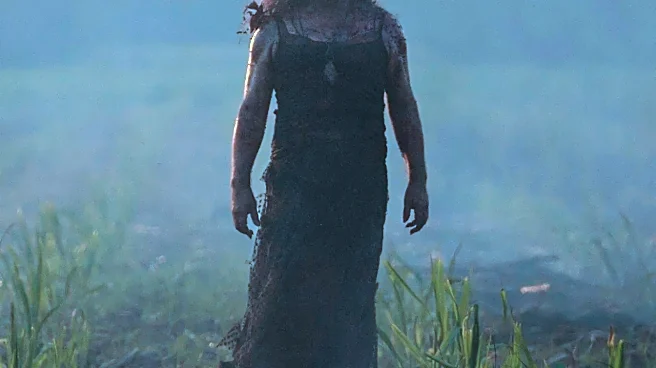
leans into what bigger projects try to erase: grit, grain, and imperfection. A shaky handheld camera, natural light flaring into the lens, or the hum of a real location doesn't read as amateurish—it reads as authentic. This rawness strips away the barrier between the viewer and the story. Instead of feeling like you're watching a carefully constructed product, you feel like you're witnessing a real moment, making the emotional stakes feel higher and more immediate.
When Constraints Become a Superpower
An enormous budget offers endless options, which can sometimes lead to creative paralysis or a cluttered final product. Low-budget filmmaking operates on a different principle: creative constraint. Without access to massive lighting rigs, filmmakers are forced to master the nuances of natural light. Without the ability to build elaborate sets, they must find character in real, lived-in locations that bring an instant history and texture to the screen. These limitations compel directors to make deliberate, focused choices. Every shot has to count. This forced intentionality—making bold choices about what to show and what to hide in shadow—creates a stronger, more focused visual narrative. The result is often a story told with precision and purpose, where the limitations become a core part of the aesthetic.
The Visual Language of Americana
The Americana aesthetic itself is built on a foundation of nostalgia, grit, and resilience. It evokes a specific feeling tied to American folklore: weathered barns, endless highways, faded blue jeans, and small-town main streets. This visual language is inherently cinematic because it’s packed with narrative. A rusty pickup truck isn't just a prop; it's a symbol of hard work and history. A lonely diner booth carries the weight of a thousand untold stories. These elements don't require expensive effects to be powerful. They tap into a collective cultural memory, using texture and symbolism to create a mood that feels both epic and deeply personal. The aesthetic is about storytelling through atmosphere, something low-budget creators can achieve with a strong vision and a good eye.
Prioritizing Story and Performance
When you can't rely on spectacle, you have to rely on substance. A filmmaker who can't afford to blow up a building must make a conversation just as tense. This is where low-budget Americana videos often outshine their expensive counterparts. They live and die on the strength of their core story and the performances of their subjects. The camera lingers on a face, capturing subtle shifts in emotion. The editing rhythm is dictated by the performance, not by the need to show off a new visual effect. This focus on the human element is what ultimately creates a cinematic experience. Viewers connect with emotion, not just visuals. By placing the narrative and the performance at the absolute center, these videos achieve a psychological depth that no amount of digital polish can replicate.