





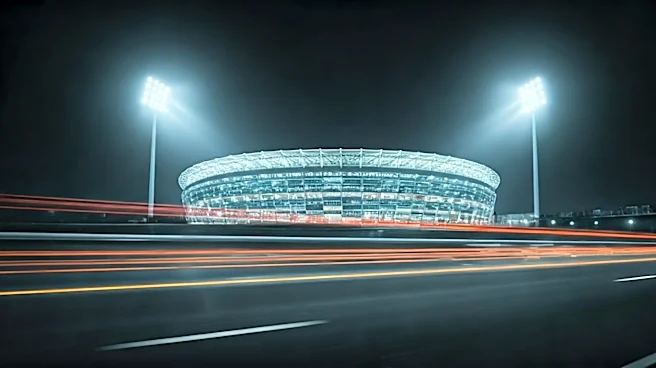



A Tournament of Unprecedented Scale
Forget everything you know about previous World Cups. While Qatar 2022 was so compact you could practically see one stadium from another, 2026 is a continental behemoth. For the first time, three nations—the United States, Canada, and Mexico—are co-hosting,
spreading 104 matches across 16 cities. The sheer distances are staggering, with venues stretching from Vancouver to Mexico City, and from Boston to Los Angeles. This tri-country setup, an expanded 48-team format, and the vast geographical spread have created a tournament unlike any other. While celebrating North American unity, this model is also testing the limits of logistics, with some fan itineraries requiring thousands of miles of travel for the group stage alone. The scale itself has become a central character in the story of this World Cup.
History at Azteca, Futurism in L.A.
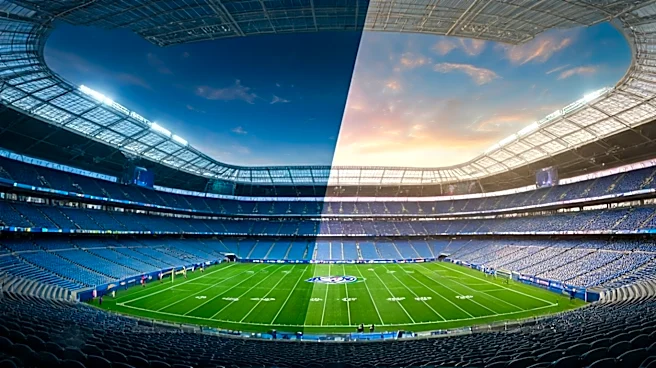
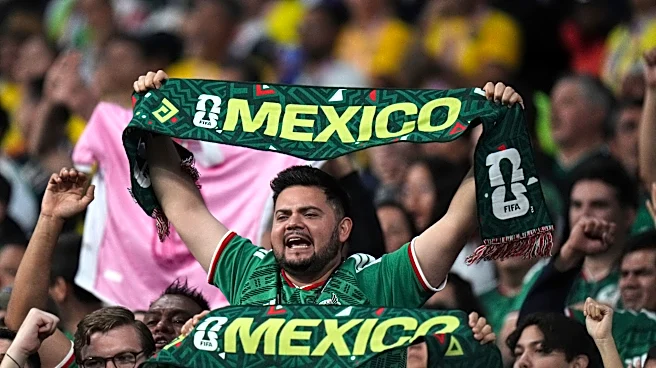
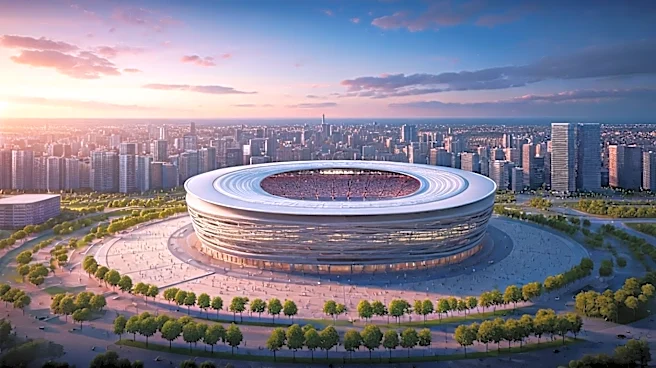
This World Cup is a fascinating tale of two types of stadiums. On one hand, you have Mexico City's Estadio Azteca, a living museum of soccer history. It’s the first stadium to host matches in three separate World Cups (1970, 1986, and 2026), a place where both Pelé and Diego Maradona cemented their legends. The venue hosted the opening match on June 11, steeping the tournament in a sense of legacy from its very first kick. On the other hand, you have the hyper-modern palaces of the NFL, like SoFi Stadium in Los Angeles and AT&T Stadium in Arlington, Texas. These multi-billion dollar marvels offer unparalleled luxury and technology but were built for a different kind of football. The contrast between a historic temple of the sport and these futuristic entertainment complexes defines the architectural soul of the tournament.
An NFL-Powered World Cup
In the U.S., this is overwhelmingly an NFL World Cup. All 11 American host venues are the homes of NFL teams. This brings enormous benefits, including massive seating capacities that have already helped set new attendance records, and state-of-the-art fan amenities. However, it's also created significant challenges. Most of these stadiums required extensive and costly modifications. Famously, SoFi Stadium's field was too narrow for a FIFA-regulated pitch, forcing crews to remove seats and make other structural changes. Furthermore, all venues with artificial turf had to install natural grass, a complex process that involves trucking in specialized sod and sometimes even raising the entire field level. Players have already noted the variable conditions, with some pitches feeling harder or more slippery than usual. Even the names are different, with FIFA rules forcing venues like AT&T Stadium to be temporarily rebranded as 'Dallas Stadium'.
The Great North American Road Trip
The tournament's sprawling map is creating a unique, if grueling, experience for traveling fans. Unlike the regional groupings of the USA '94 World Cup, the 2026 schedule has sent some teams and their supporters ping-ponging across time zones. For example, some group stage journeys require fans to travel over 1,400 miles between three matches in different cities. This logistical labyrinth stands in stark contrast to the convenience of Qatar 2022. It's a test of endurance and finances, involving multiple flights, hotel changes, and border crossings for those following teams between the three host nations. While this creates a rich, varied cultural backdrop, it also has presented challenges, with complex travel logistics and differing entry requirements for each country. This continent-wide road trip may ultimately be what fans, exhausted but awed, remember most.