






An Iconic Piece with a Storied Past
First, a bit of history. The style was originally known as an "eternity necklace" but earned its modern name in 1978. During a U.S. Open match, legendary player Chris Evert's diamond bracelet snapped and fell onto the court. She famously asked officials
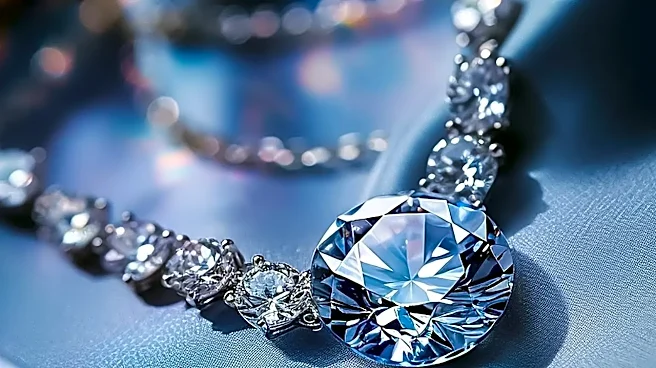
to pause the game until her precious piece was found. The moment cemented the link between the continuous line of diamonds and the world of sport and style, and the name "tennis bracelet"—and subsequently "tennis necklace"—was born. Its simple, elegant design, a seamless river of sparkle, ensures it transcends fleeting trends, making it a foundational piece in any serious collection.
The 'Investment' is in the Materials
Unlike trend-driven costume jewelry, a tennis necklace's value is intrinsically tied to its components: precious metals and diamonds. For a piece to be considered an investment, it must be crafted from high-quality materials like platinum or solid 14k or 18k gold, which are durable and retain value. The real drivers, however, are the diamonds. Their worth is determined by the globally recognized "4 Cs": Cut, Color, Clarity, and Carat weight. High-quality, well-matched diamonds with excellent cut (for sparkle), near-colorless grades, and minimal inclusions are essential for a necklace that holds its financial worth. This is why insisting on a grading report from a reputable lab like the GIA is non-negotiable for an investment-grade purchase.
Natural vs. Lab-Grown: A Critical Distinction for Value
In today's market, buyers face a choice between natural and lab-grown diamonds. While visually identical, their long-term value propositions are vastly different. Natural diamonds, formed over billions of years, are a finite resource, which helps them maintain and even increase their value over time. Lab-grown diamonds, which can be mass-produced, have seen their prices depreciate as technology improves and supply increases. While lab-grown diamonds make larger stones more accessible, they do not have the same track record for value retention. For a piece to be a true investment that can be passed down as an heirloom, natural diamonds are historically the superior choice.
Wearability: The Ultimate Return on Investment
An investment piece you can't wear is just an asset in a safe. The genius of the tennis necklace is its supreme versatility. It was designed for movement, with flexible links that allow it to sit comfortably and resist flipping. This practicality means you get a return on your investment through frequent use. A tennis necklace works as well with a t-shirt and jeans as it does with a formal gown, solving a common styling problem by occupying the rare middle ground between a forgettable basic and an overpowering statement piece. This high cost-per-wear ratio is a key part of what makes it a smart buy; its value isn't just in what it's worth, but in how much you'll love wearing it.
Choosing Wisely for Long-Term Worth
When buying with investment in mind, focus on classic design and quality craftsmanship. A well-made necklace will feature consistent stone settings, a secure clasp, and a fluid, flexible feel. While a larger total carat weight is impressive, a collection of smaller, higher-quality diamonds will often outshine larger, poorly cut stones. Look for classic round brilliant or elegant emerald cuts in prong or bezel settings, which are timeless. While the initial price of a quality tennis necklace can range from a few thousand to tens of thousands of dollars, remember that you are purchasing a piece with enduring appeal and tangible value. Unlike a car, which depreciates the moment you drive it off the lot, a well-chosen diamond necklace has the potential to become a cherished family heirloom that holds its worth for generations.