


1. Master the Fit, Not the Label
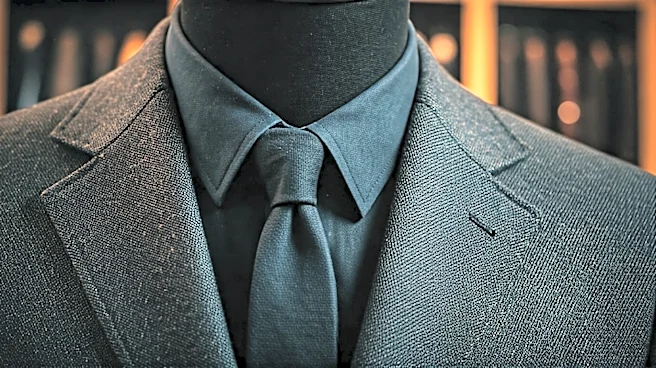
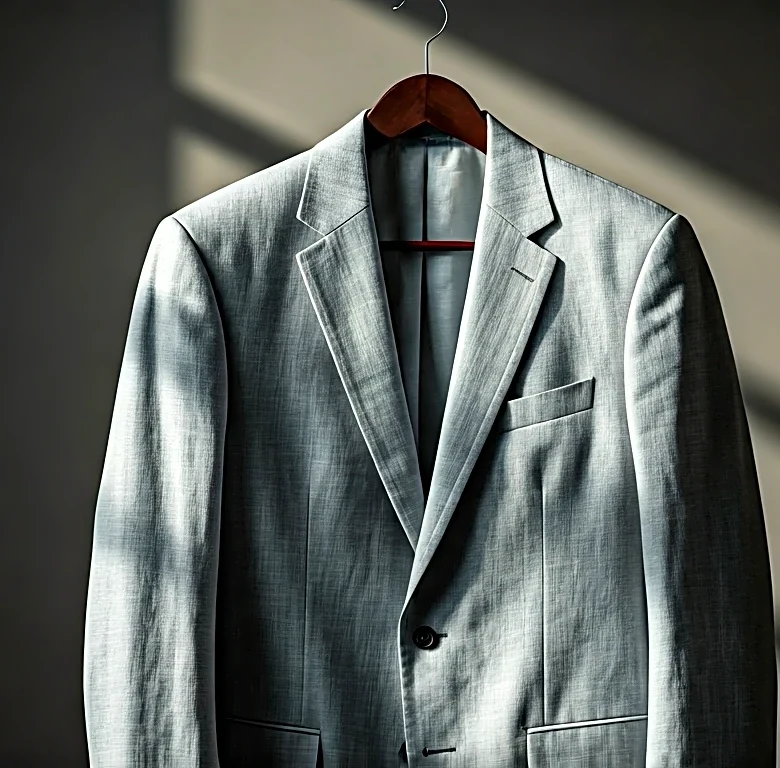
The single most important element of any Pitti-worthy outfit is impeccable fit. A $1,000 suit that hangs off your shoulders looks far worse than a $150 suit that has been tailored to perfection. This is the great equalizer of menswear. Instead of blowing
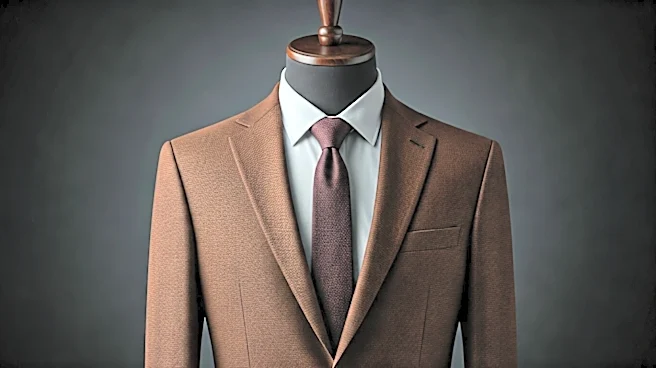
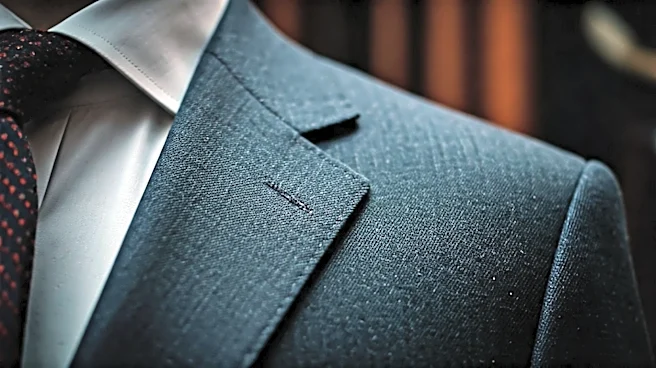
your budget on a designer name, invest a fraction of that cost in a good local tailor. Buy your suits, blazers, and trousers from affordable but well-constructed brands (think J.Crew, Banana Republic, or even Zara on a good day), and then take them to be altered. Focus on the shoulders of a jacket fitting perfectly off the rack; most other things, like sleeve length and waist suppression, can be easily adjusted. An expert tailor can turn a good-enough garment into a bespoke-feeling masterpiece.
2. Build on a Foundation of Neutrals
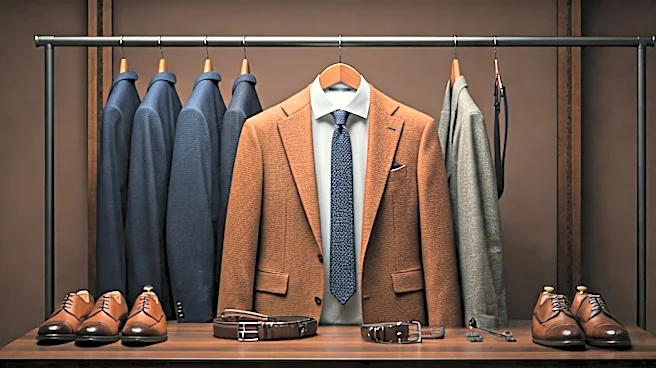
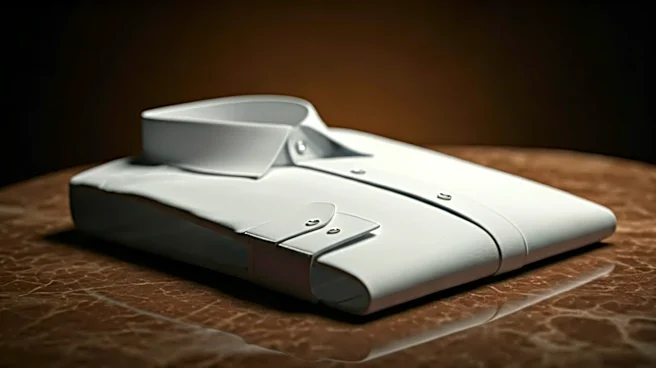
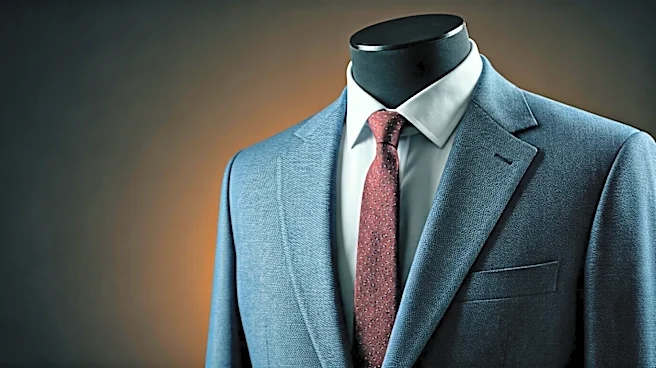
Look closely at the most daring Pitti outfits, and you'll often see a clever trick: the peacocks are building on a solid foundation. Wild patterns and bold colors pop because they are grounded by classic, neutral pieces. Before you buy the statement floral trousers, ensure your wardrobe has the essentials covered. We're talking well-fitting trousers in navy, grey, and khaki; crisp white and light blue shirts; and a versatile navy or camel blazer. These items act as a canvas for your more expressive pieces. Brands like Uniqlo, Everlane, and COS offer exceptional quality in these staple categories at prices that allow you to build a versatile wardrobe without financial strain. Once you have the canvas, you can afford to be more adventurous with the paint.
3. Hunt for Vintage and Secondhand Gems
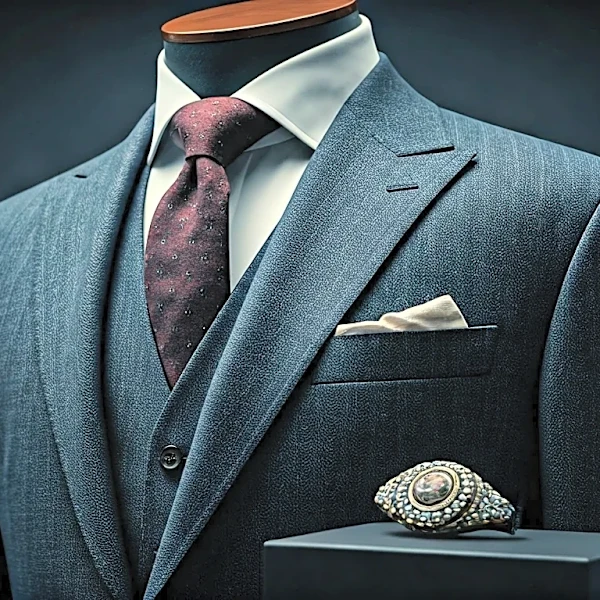
The most interesting outfits are rarely bought in one go from a single department store. They are curated over time. This is where the world of vintage and high-end consignment comes into play. You can find beautifully crafted Italian ties, unique pocket squares, or even vintage designer blazers for a fraction of their original cost on platforms like eBay, The RealReal, and Grailed. The key is patience and knowing your measurements. A vintage silk tie from a defunct Italian maker has more character and history than a brand-new one from a fast-fashion brand. This approach not only saves money but also ensures your look is unique and not easily replicated.
4. Accessorize with Personality
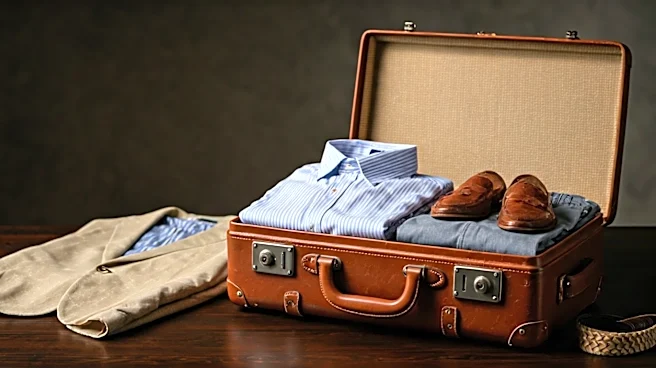
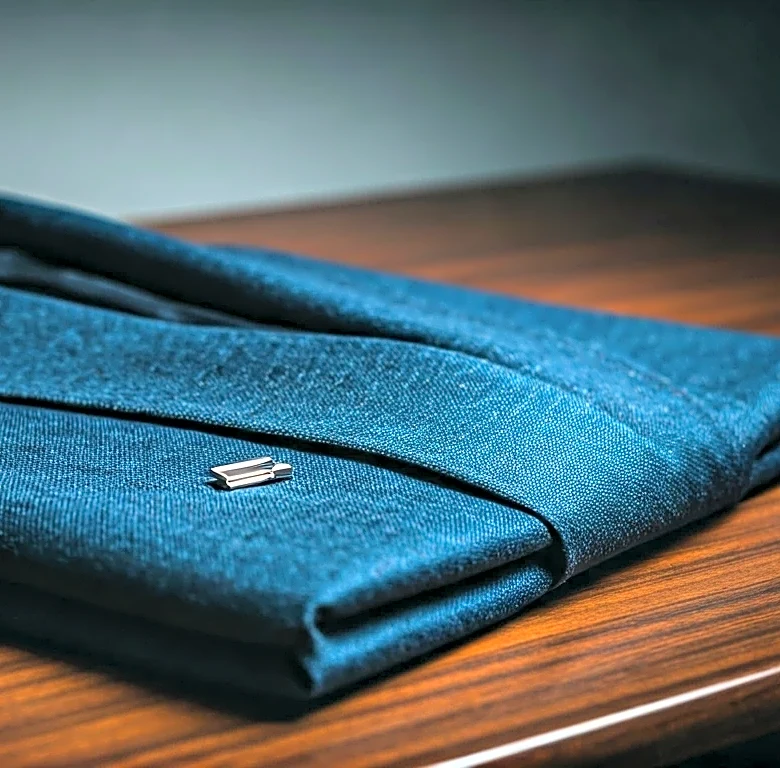
Accessories are where the men at Pitti truly distinguish themselves. It’s not about a flashy watch (though there are plenty of those); it’s about the considered details. A colorful pair of socks, a perfectly folded pocket square, a unique lapel pin, a well-chosen pair of sunglasses, or a timeless leather portfolio can completely transform an otherwise simple outfit. These are areas where you can inject maximum personality for minimal cost. You don't need a Cartier bracelet; a handsome beaded one from a local market can be just as effective. The goal is to add a point of interest and show that you put thought into the small stuff.
5. Embrace Sprezzatura (Calculated Cool)
The most elusive element of Italian style is *sprezzatura*—a kind of studied nonchalance or artful dishevelment. It's the unfastened button on a monk strap shoe, the slightly askew tie, or the casually draped scarf. It signals that you know the rules of style so well that you can afford to break them a little. This costs nothing. It’s an attitude. It’s about looking put-together without looking like you tried too hard. Wear your new blazer around the house to soften it up. Leave one button undone. Let the clothes serve you, not the other way around. This confidence is the invisible thread that holds the entire Pitti Uomo aesthetic together.