







The Case for Pure Linen: The Purist’s Choice
Walk the sun-baked stones of the Fortezza da Basso during Pitti, and you’ll see pure, 100% linen in its natural habitat. It’s the undisputed champion of hot-weather performance. The magic lies in the long, hollow fibers of the flax plant from which it's
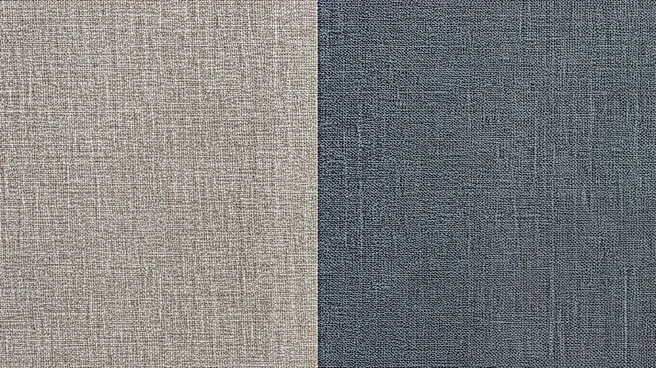
made. These fibers don't cling; they stand slightly away from the skin, allowing for maximum airflow. A pure linen shirt is like wearing a personal, low-tech air conditioner. Its texture, often described as crisp or even slightly rough at first, softens beautifully with every wash, developing a character all its own. The fabric has a dry hand-feel and a unique visual depth that no other fiber can replicate. For the menswear aficionado, pure linen represents an authentic, uncompromising embrace of summer. It’s the choice for the man who prioritizes pure function and a certain rustic elegance over flawless presentation.
The Famous Flaw: Embracing the Wrinkle
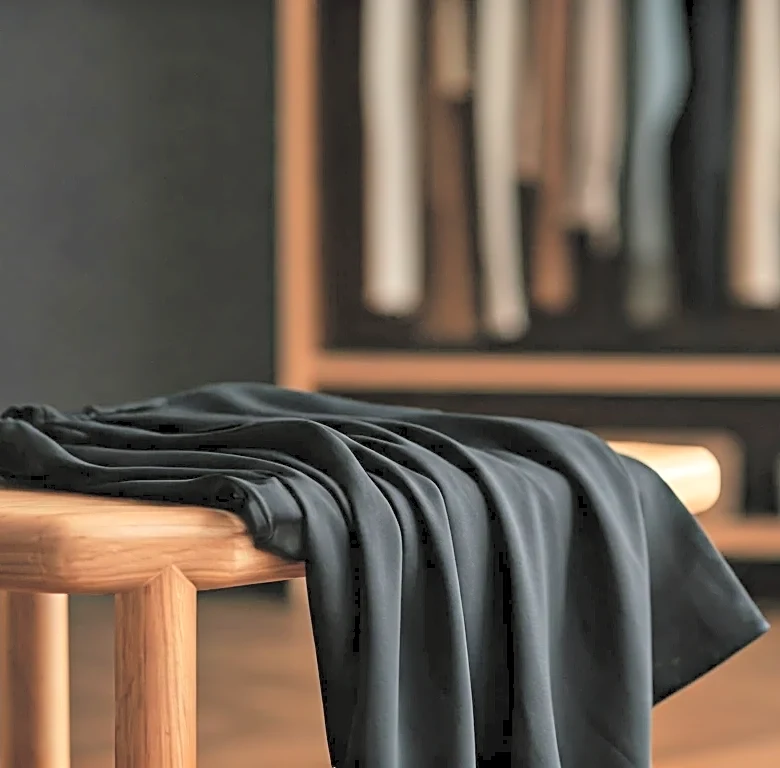
Of course, you can’t discuss linen without addressing the wrinkles. For its detractors, this is a dealbreaker. A pure linen suit can look rumpled minutes after you put it on. But for its proponents, especially those who subscribe to the Italian concept of *sprezzatura* (a studied carelessness), the wrinkles aren't a flaw; they're a feature. They signal that the garment is being worn and lived in. A slightly creased linen jacket suggests a day well spent, perhaps involving a long lunch and an afternoon stroll, not a man who has been sitting stiffly at a desk. The wrinkles tell a story of comfort and ease. They are a visual signifier that you are dressed for the heat, not against it. Opting for pure linen is a declaration that you value comfort over conformity and that you understand the inherent beauty of a natural, imperfect material.
The Case for the Blend: The Pragmatist’s Pick
Enter the linen-cotton blend. This is the fabric for the man who loves the idea of linen but fears the reality of its maintenance. By weaving cotton fibers with linen, mills create a textile that strikes a compromise. The cotton lends its softness and relative wrinkle-resistance to the final cloth, taming linen's wilder tendencies. A linen-cotton shirt or pair of trousers will still be more breathable and cooler than pure cotton, but it will emerge from a suitcase looking far more presentable than its 100% linen counterpart. The fabric feels softer against the skin from the very first wear and has a smoother, less textured appearance. It’s the perfect bridge between the formal crispness of a poplin shirt and the rugged nonchalance of pure linen. It’s a practical, versatile choice for the office on a hot day or for travel when you don't have an iron handy. It offers about 70% of linen’s cooling power with 200% less anxiety about wrinkles.
How to Choose Between Them
The decision ultimately comes down to context and personal tolerance. Ask yourself two questions: What is the occasion, and how much do wrinkles bother me? For peak summer, high-humidity vacations, or any situation where staying cool is the absolute top priority, pure linen is unbeatable. It's the king of the beach resort, the garden party, and the casual weekend. If you can learn to love the rumple as part of its charm, you’ll be rewarded with superior comfort. On the other hand, if you need a summer fabric for a business-casual setting, a summer wedding, or you simply prefer a neater look, the linen-cotton blend is your best friend. It gives you the airy feel of linen without sacrificing the polished appearance you need. Think of it this way: pure linen is for expressing a relaxed state of mind, while a linen-cotton blend is for looking sharp despite the temperature.