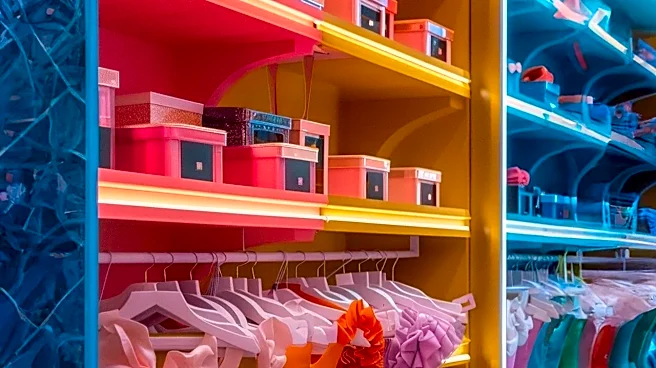

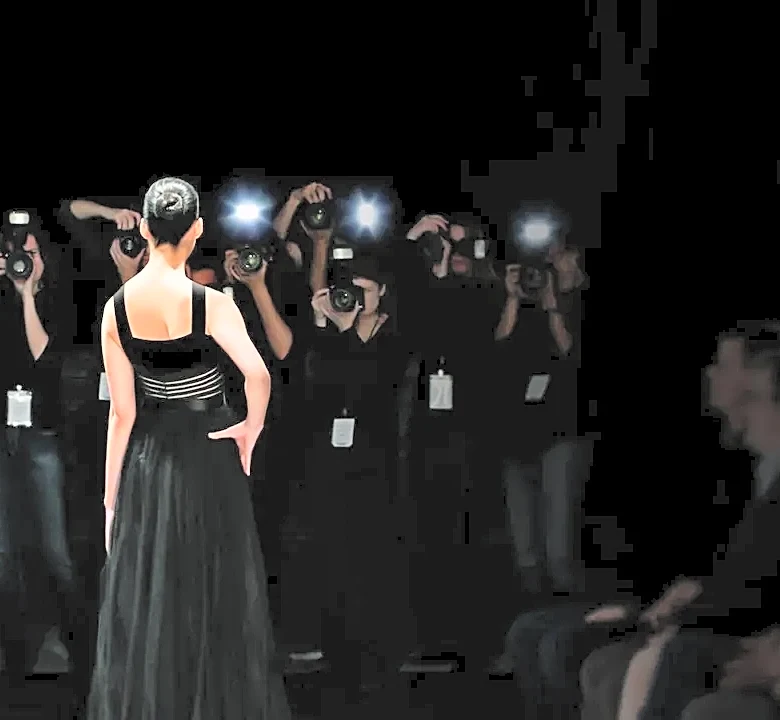

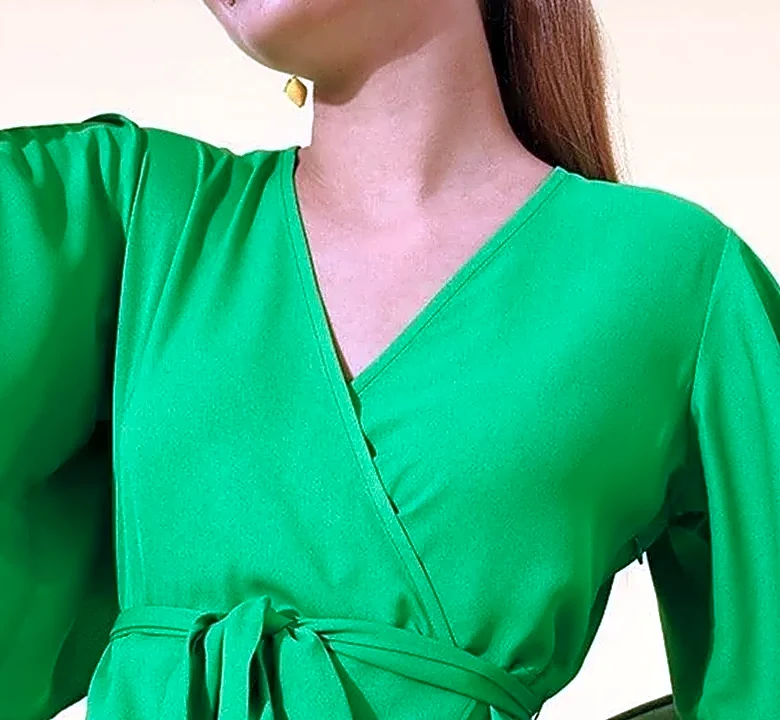
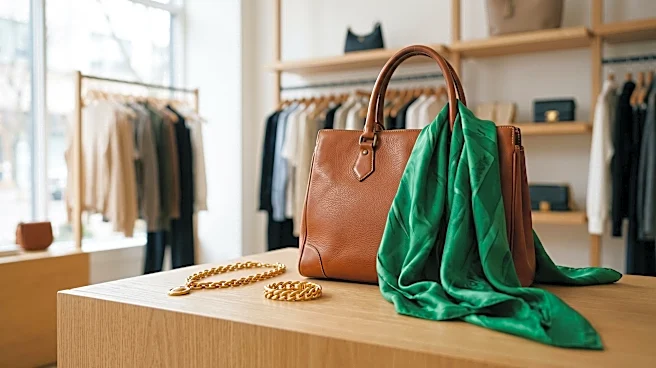

Every year, millions of us rent a costume for one night of fun, no strings attached. We embrace temporary use for a specific purpose. What if that same mindset could solve one of fashion's biggest problems and revolutionize our daily wardrobes?
The Disposable Dilemma of Modern Closets
Our modern
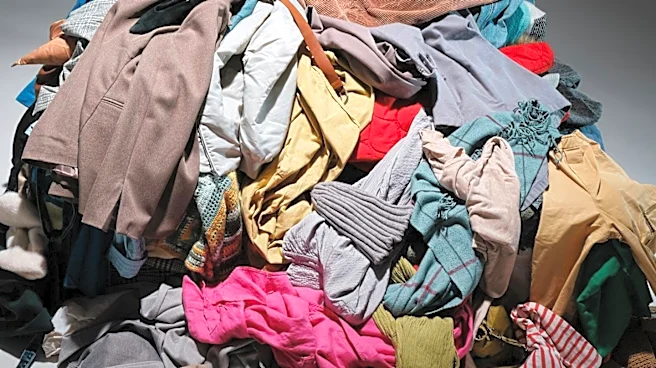
fashion habit is built on a linear model: take, make, and dispose. This system, often called 'fast fashion', churns out an astonishing volume of new clothes at low prices, encouraging a culture of constant consumption and disposability. The environmental toll is immense. The fashion industry is responsible for a significant percentage of global carbon emissions and water pollution. A vast amount of all textiles produced each year ends up in landfills, sometimes after only a few wears. This model is not just wasteful; it's unsustainable. It's clear that we need to move away from a system that treats clothing as a disposable good and toward something more intelligent and less destructive.
Beyond Ownership: What Is a Circular Wardrobe?
Enter the circular wardrobe, an approach rooted in the principles of a circular economy. The goal is simple but radical: to keep clothing and materials in use for as long as possible, eliminating waste. Instead of a one-way trip to the landfill, garments are designed for longevity and are meant to be shared, repaired, reused, and eventually recycled into new items. A circular wardrobe isn't about deprivation; it's about being more thoughtful and creative. It prioritizes access to fashion over the constant accumulation of it. This includes embracing resale markets, learning basic repairs, and, crucially, participating in the growing world of clothing rental.
Lesson One: Embrace Temporary Use
This is where the humble Halloween costume offers its first and most important lesson. When you rent a costume, you're not thinking about owning it forever. You need it for a specific event, and the temporary nature of the transaction is the entire point. You get the novelty and fun without the long-term commitment or clutter. Applying this mindset to everyday fashion can be transformative. Do you really need to own a high-end gown for a single wedding or a specific suit for one important interview? Rental services allow you to access high-quality, exciting pieces for special occasions without the hefty price tag and subsequent closet guilt. It’s a shift from 'I need to own this' to 'I need to wear this'.
Lesson Two: Prioritize Access Over Ownership
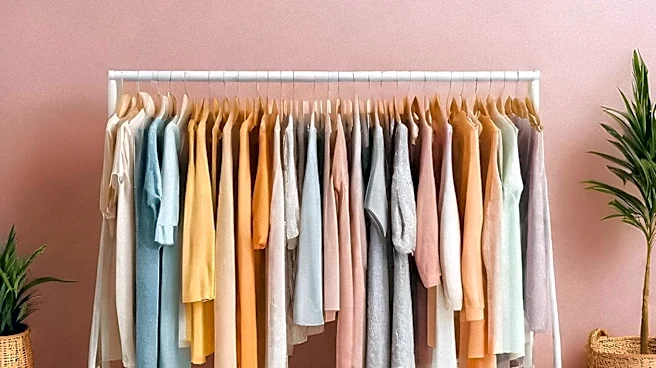
The rise of the sharing and access-based economy has already changed how we consume everything from music (streaming services) to transportation (ride-sharing). Fashion is the next frontier. Younger consumers, in particular, are showing a growing preference for experiences over possessions and are drawn to the flexibility and sustainability that rental models offer. Online clothing rental services are rapidly expanding, with the global market projected to grow significantly in the coming years. These platforms provide a rotating closet of endless variety for a flat monthly fee, allowing users to experiment with trends, discover new designers, and keep their look fresh without the environmental or financial burden of ownership.
Lesson Three: Trust the System
Renting a costume works because there's a reliable system behind it. You trust that the costume will be clean, in good condition, and that the return process will be simple. The same infrastructure is now being built for everyday fashion rental. Companies handle the logistics of shipping, professional cleaning, and repairs, making the user experience seamless. This professional management extends the life of each garment far beyond what a single owner might achieve, a core principle of circular fashion. By participating in these services, consumers not only get convenience but also contribute to a system designed to maximize the use of every single item, drastically reducing the demand for new production.