


The Rules of the Enclosure
First, you have to understand the constraints. Just as haute couture is governed by the strict, unwritten rules of the Chambre Syndicale in Paris, Ascot has its own rigid style bible. For attendees in the prestigious Royal Enclosure, the rules are non-negotiable:
dresses must fall below the knee, straps must be at least one inch wide, and—most importantly—a hat or headpiece with a solid base of four inches or more in diameter is mandatory. These rules don’t stifle creativity; they channel it. Forbidden from using a simple fascinator, guests and their designers must innovate within a specific framework. This challenge—creating something spectacular while adhering to formal guidelines—is the same pressure that forges a breathtaking couture gown.
Millinery as a Bespoke Art Form
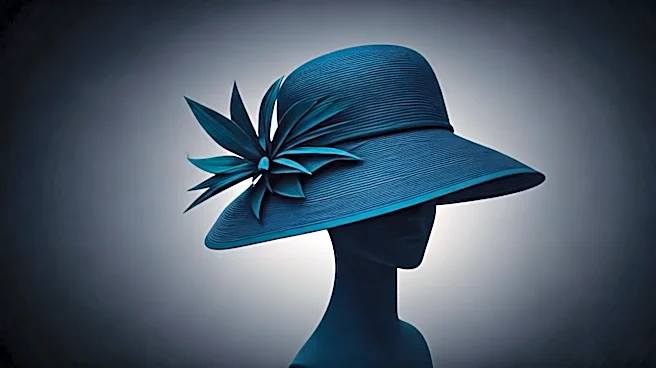
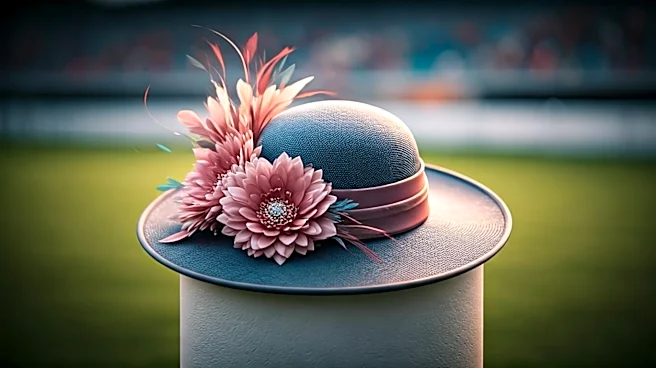
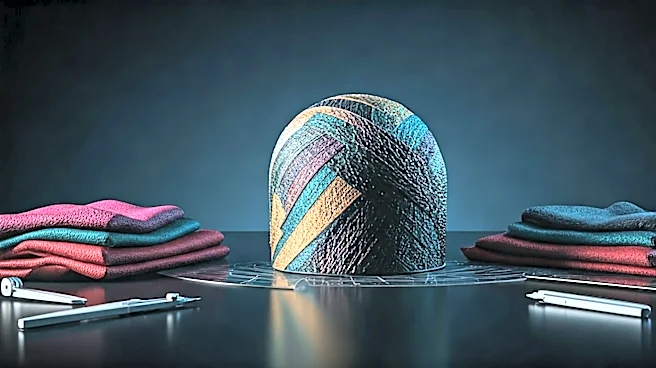
The hats worn at Ascot are rarely off-the-rack purchases. They are bespoke commissions, born from weeks or even months of collaboration between a client and a milliner. This process mirrors the creation of a couture garment. A client visits an atelier, like that of famed milliners Philip Treacy or Stephen Jones, for consultations and fittings. Materials are hand-selected, from delicate silks and fine straw (sinamay) to intricate feather arrangements and hand-sculpted architectural forms. Each piece is constructed by hand, shaped to the client’s head, and designed to complement a specific outfit and personality. It’s wearable sculpture, and the price tag reflects it. A high-end Ascot hat can easily run into the thousands of dollars, placing it firmly in the realm of investment-level fashion.
A Global Stage for Status and Spectacle
Like the Met Gala or the Cannes red carpet, Royal Ascot is a platform. The media’s intense focus turns the racecourse grounds into an open-air runway where every choice is scrutinized. Members of the royal family, particularly the Princess of Wales, use their hats to communicate. A choice of color might be a subtle diplomatic nod, while a bold design from an emerging milliner can launch a career overnight. Celebrities and socialites, meanwhile, compete for the most eye-catching creation, knowing a memorable hat guarantees press coverage. This is fashion as performance. The debate over who wore the most daring, elegant, or whimsical piece is a direct parallel to the post-Oscars discussion of which celebrity “won” the red carpet in which couture designer.
The Designers Are the Stars
In the world of Ascot, milliners are treated like couture creative directors. Names like Philip Treacy, whose sculptural creations for everyone from Kate Middleton to Lady Gaga have made him a household name, are the equivalent of a Karl Lagerfeld or a Christian Dior. Fashion editors don't just ask, “Whose hat is that?”; they analyze the designer’s signature style. Is it a classic, elegant piece by Rachel Trevor-Morgan, a favorite of the late Queen Elizabeth II? Or a modernist, avant-garde statement from Awon Golding? The annual gathering at Ascot becomes a de facto showcase for the state of British millinery, allowing designers to display their technical prowess and artistic vision. Their work is critiqued, celebrated, and chronicled with the same seriousness as any collection shown during Paris Fashion Week.
Where Tradition and Trend Collide
While steeped in nearly 300 years of tradition, Ascot is not a stuffy costume party. It’s a living, breathing fashion event where history meets the moment. Every year, new trends emerge from the sea of headwear. One year, oversized floral blooms might dominate; the next, it could be sharp, geometric shapes or a specific color palette that reflects the broader runway trends of the season. This yearly evolution is precisely what makes couture so compelling. Both are rooted in a historical craft, yet both must innovate to stay relevant. Fashion fans debate Ascot hats because they represent a perfect tension: the discipline of tradition against the impulse for novelty. The question is never just “Is it beautiful?” but “Is it new, is it clever, and what does it say about fashion right now?”