










The Pitch: More Than Just Grass
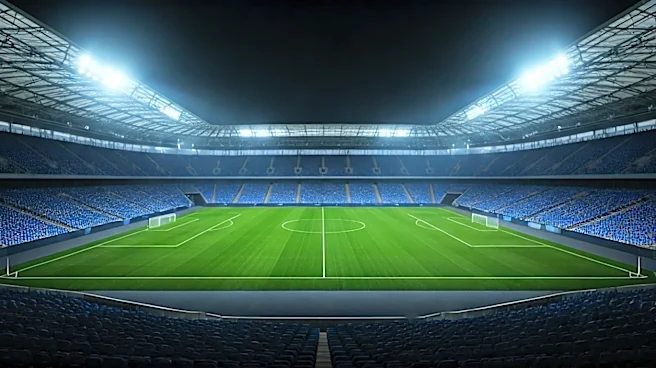
First, look down at the field of play, or "pitch." Unlike an American football field with its fixed dimensions, the size of a soccer pitch can vary. International rules allow for a range, typically between 110 to 120 yards long and 70 to 80 yards wide.
This flexibility isn't random; it's a tactical element. A wider pitch gives teams more space for creative, wing-based attacks, while a narrower one can lead to a more congested and physical game through the middle. Also, note the surface. While many American multi-purpose venues use artificial turf, the global standard for soccer is natural grass, which many players prefer for its consistency and lower risk of injury. The next time you see a team struggling to adapt, consider whether the size and surface of the pitch are playing a role.
Seating Steepness: The Wall of Sound
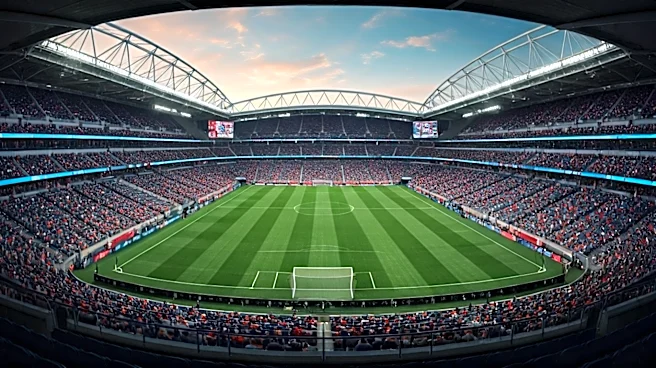
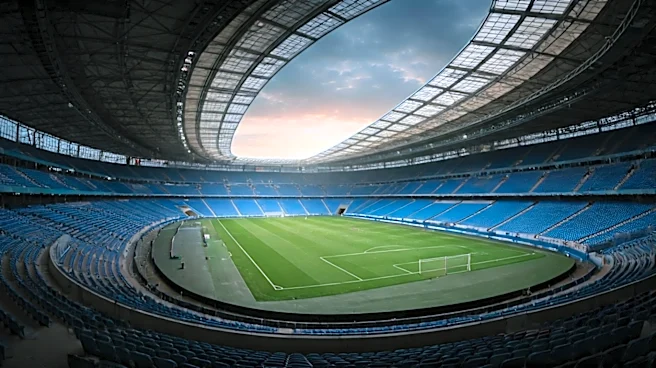
Ever wonder why soccer stadiums get so deafeningly loud? A big part of the answer lies in the angle of the seats. In purpose-built soccer stadiums, the seating tiers are often much steeper than in typical American football venues. For example, Lower.com Field in Columbus boasts the steepest supporters' section in MLS. This isn't just to provide better sightlines—though it does bring every fan closer to the action—it's an acoustic strategy. A steep, continuous seating bowl acts like an amphitheater, trapping sound and reflecting it back toward the pitch. This creates what's often called a "wall of sound," an intimidating environment for the visiting team and an energizing force for the home side. So when a chant ripples through the crowd, pay attention to how the stadium's very shape seems to give it power.
The Canopy: Trapping the Noise
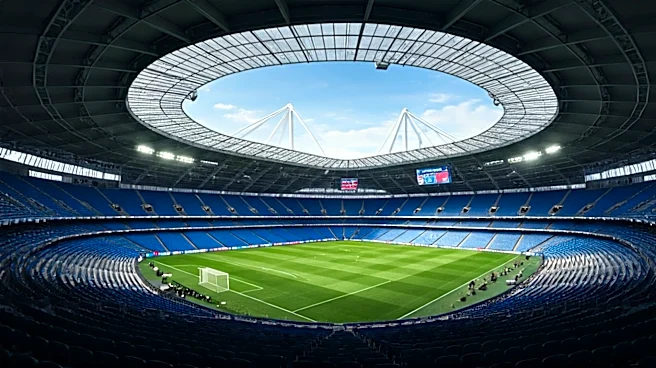
Look up. Many modern soccer stadiums feature a partial roof, or canopy, that covers the seating areas but leaves the pitch open to the sky. This design serves multiple purposes. The most obvious is protecting fans from sun and rain. But just like steep seating, it's also a crucial element for creating atmosphere. A roof, even a partial one, prevents crowd noise from simply escaping into the air. Instead, the sound bounces off the structure and is directed back down into the stadium bowl, amplifying the chants and cheers. In a closed-roof stadium, this effect is even more pronounced, with noise levels reaching up to 120 decibels—far higher than in an open-air venue. This acoustic amplification is a deliberate choice to enhance the home-field advantage and make the fan experience more intense.
The Supporters' Section: Organized Chaos by Design
In American sports, the best seats are often at the 50-yard line. In soccer, the heart of the stadium is the supporters' section, usually located behind one of the goals. These sections are specifically designed to facilitate organized, passionate support. Notice the railings in front of each row? This is "safe standing," a system that provides a dedicated, ticketed space for each fan with a barrier for support and to prevent falling or crowd surges. Many feature rail seats—small, lockable seats that are often folded up during games to maximize standing room but are required by some governing bodies like FIFA for hosting international matches. This area allows supporter groups to stand, wave massive flags (known as "tifos"), and lead chants for the entire 90 minutes, acting as the stadium's heartbeat.
Proximity to the Pitch: No Bad Seats
One of the defining features of a soccer-specific stadium is how close the fans are to the field. Unlike multi-purpose stadiums that might have a running track or a large buffer zone for an NFL sideline, these venues are built to be intimate. In many MLS stadiums, the front row is just a few feet from the touchline, and no seat is more than 120-150 feet away. This proximity creates a powerful connection between the players and the fans, making the game feel more immediate and intense. You can hear the players calling to each other and feel the impact of a hard tackle. It eliminates the sense of distance common in larger, 70,000-seat football stadiums, where the atmosphere can feel diluted. In a well-designed soccer venue, every fan is part of the action.