

Mistake 1: Sizing Up to Fit One Area
It’s a familiar story: you find a shirt that fits your shoulders and chest, but it billows around your waist like a tent. Or you buy jeans that accommodate your glutes and thighs, only to have a significant gap at the back of the waistband. Sizing up
to fit the largest part of your body is a common error that ultimately hides your physique. This approach creates a boxy, unflattering silhouette that obscures the very shape you've worked to build. Instead of showing off a V-shaped torso or powerful legs, you're left swimming in excess fabric. The problem isn't your body; it's that you're trying to solve a proportion issue with a size issue.
Mistake 2: Ignoring Fabric and Stretch
Not all fabrics are created equal, especially for a body with curves and angles. Rigid, non-stretch materials like traditional poplin or stiff denim often work against a muscular frame, causing pulling across the back and tightness in the arms or legs. The secret weapon for an athletic build is fabric with a small amount of stretch. Look for materials blended with elastane or spandex. This allows a garment to hug your form and move with you without feeling restrictive. It provides a tailored look off the rack, accommodating wider shoulders or thighs while still fitting neatly at the waist and calves.
Mistake 3: Chasing the Wrong Silhouettes
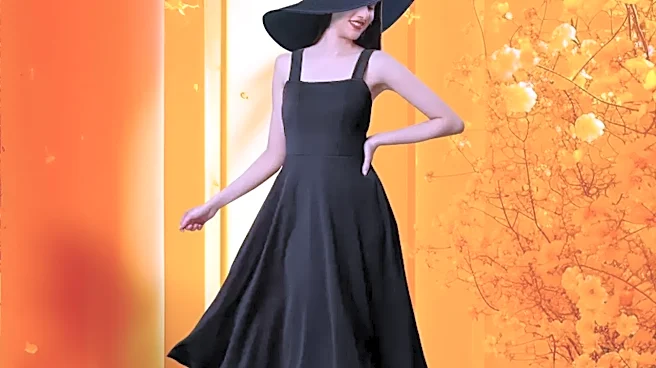
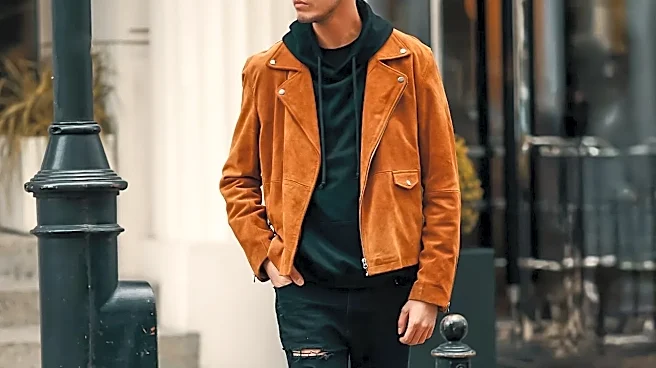
Trends are tempting, but not every cut is designed for every body type. Forcing an athletic build into an ultra-skinny or spray-on fit often results in a strained, uncomfortable look. Likewise, oversized or completely shapeless garments can make you appear larger than you are. The key is to seek balance. For men, this often means looking for “athletic fit” or “tapered” cuts designed with more room in the seat and thighs before narrowing toward the ankle. For women, A-line or fit-and-flare dresses can be incredibly flattering, as they cinch at the waist and flow over the hips, balancing broader shoulders.
Mistake 4: Believing ‘Fitted’ Means ‘Tight’
There’s a major difference between a garment that is fitted and one that is uncomfortably tight. The goal is to show off your shape, not look like you’re about to burst out of your clothes. A properly fitted shirt should skim your torso without straining at the buttons. Trousers should follow the line of your leg without constricting movement. Think “slim,” not “skinny.” This allows your physique to be seen and appreciated in a way that appears effortless and confident, rather than looking like you’re trying too hard to show off your gains at the gym.
Mistake 5: Underestimating the Power of a Tailor
The single best way to make your clothes look exceptional is to embrace tailoring. Off-the-rack clothing is designed for a non-existent “average” person, using standard proportions that don't account for the unique V-shape of an athletic man or the waist-to-hip ratio of a strong woman. A tailor can make simple, inexpensive adjustments—like adding darts to a shirt to slim the waist or taking in the waistband of pants—that transform a decent fit into a perfect one. Viewing off-the-rack clothes as a starting point, not a finished product, is a game-changer. This ensures your clothing is working for your body, not against it.