





The Art of Summer Counterprogramming
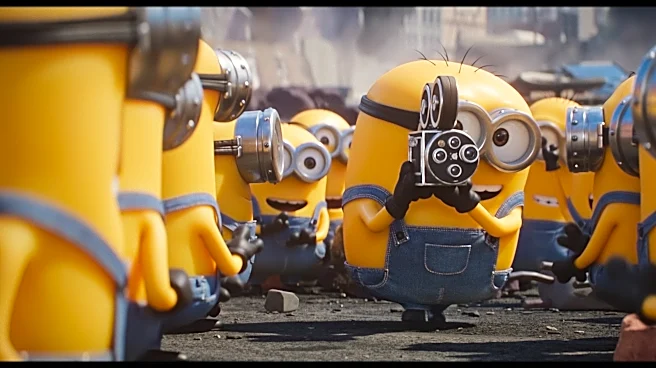
Every summer, the film industry operates on a simple principle: big, loud, and for everyone. Movies like 'Minions & Monsters' and 'Spider-Man: Brand New Day' are designed to dominate the cultural conversation and sell oceans of popcorn. But this year,
another strategy is making a high-profile comeback: counterprogramming. The concept is a classic Hollywood gambit: when one studio goes big with a superhero spectacle, a rival studio releases a completely different type of film to capture the audience being ignored. Think of 2008 when 'The Dark Knight' faced off against 'Mamma Mia!', or the more recent 'Barbenheimer' phenomenon that saw 'Oppenheimer' and 'Barbie' create a cultural tidal wave by appealing to distinct, yet sometimes overlapping, demographics. The goal isn't necessarily to beat the blockbuster, but to thrive alongside it by serving a different craving. For viewers feeling the much-discussed 'superhero fatigue'—a weariness with endless multiverse sagas and CGI-heavy finales—a well-timed alternative can feel like a breath of fresh air.
The Biopic's Big Moment
This is where 'Young Washington' enters the picture. The historical biopic is having a major resurgence, evolving from stuffy Oscar-bait into a surprisingly potent box office force. Christopher Nolan’s 'Oppenheimer' shattered expectations, proving that a dense, three-hour film about a complex historical figure could become a global event. More recently, the Michael Jackson film 'Michael' became the highest-grossing biopic in history, demonstrating a massive public appetite for stories about real people, especially when paired with a compelling narrative and a built-in fan base. These successes have taught studios a valuable lesson: audiences, particularly adults, will show up for prestige pictures if they are treated as major events. 'Young Washington', produced by Angel Studios, aims to follow this playbook. It’s not just a history lesson; it's an epic drama positioned as an important cultural story, complete with a July 4th weekend release to maximize its patriotic appeal.
Why Washington, Why Now?
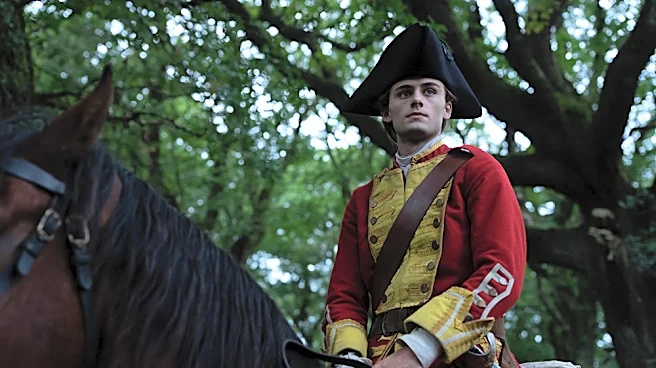
The choice of subject is key to the experiment. George Washington is a universally recognized name, but the film focuses on a lesser-known chapter of his life: his ambitious, and at times fumbling, experiences as a young officer in the French and Indian War. This narrative choice is shrewd. It leverages brand recognition while promising a fresh story, sidestepping the powdered-wig clichés of a presidential biography. It's the 'Batman Begins' approach: show us the man before he became the myth. Early reviews suggest a film that frames a young, callow Washington trying to find his place, learning hard lessons about leadership, loyalty, and failure. By focusing on his early struggles, the film aims to make an icon feel human and relatable. It's a gamble that hinges on whether audiences are more interested in the formation of a hero than the celebration of one.
The Audience Fatigue Factor
Ultimately, the success or failure of 'Young Washington' will be a referendum on the modern moviegoer. For years, the conventional wisdom was that summer belonged to the youth-driven franchise film. But there are signs of a shift. The term 'superhero fatigue' has become so common because it reflects a real sentiment among viewers who feel overwhelmed by the sheer volume of interconnected content. People are tired of movies that feel like homework. In this climate, a standalone historical epic can feel like an appealingly simple proposition: a single story, with a clear beginning, middle, and end. 'Young Washington' is a bet that there is a large, underserved audience of adults who are ready for a different kind of summer movie—one that engages their intellect instead of just their adrenaline. If the bet pays off, it could embolden other studios to invest in more adult-oriented dramas, diversifying the cinematic landscape for years to come.