



The Ticket as a Simple Transaction
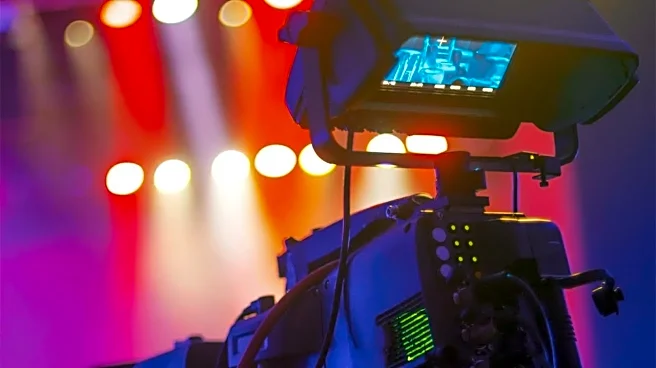
At its most basic, a festival ticket is a straightforward purchase. You pay money, you get access to a lineup of artists you want to see. This is the transactional model: a fair exchange of cash for entertainment. For many, this is more than enough. The
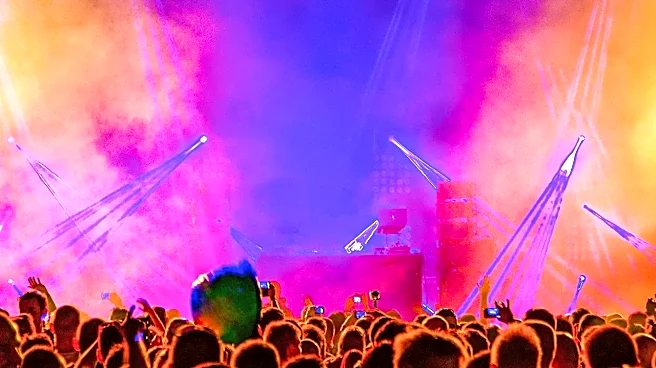
appeal is seeing dozens of artists for a single price, which can be more cost-effective than buying tickets to individual concerts. This model thrives at highly organized, mainstream festivals where the primary draw is the roster of performers on stage. The experience is largely one of consumption—you are there to watch, listen, and enjoy a product that has been expertly packaged for you. The memories are great, but the ticket’s value expires when the final act leaves the stage.
The Shift from Consumer to Participant
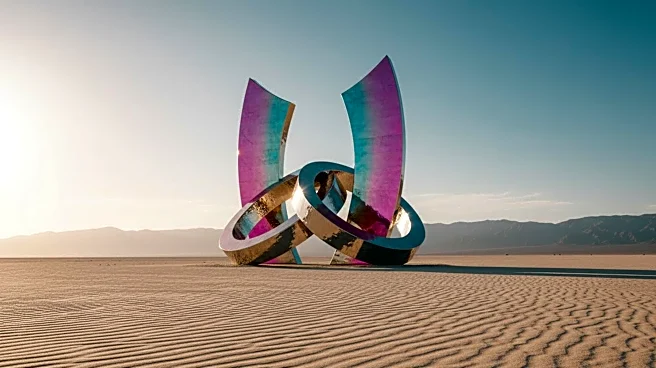
The change begins when a festival asks for more than your money. It asks for your participation. Burning Man is the most famous example of this philosophy. There are no vendors; commerce is largely forbidden. Instead, the event is built on a gift economy and principles like “radical self-reliance” and “radical self-expression.” You aren’t just attending; you are part of the spectacle. This model transforms the ticket from a pass into a buy-in. You’re investing effort to co-create the experience, whether by building art, volunteering, or simply engaging with strangers in a temporary city built on shared ethos. The value isn't just what you see, but what you contribute.
An Investment in Identity
For many, attending a particular festival becomes a piece of their identity. It’s a declaration of taste, values, and belonging. Think of the cultural cachet associated with saying you’ve been to Glastonbury in the U.K. or Coachella in the U.S. These events become cultural moments, and holding a ticket is proof of participation. This is especially true for festivals that offer a sense of freedom and allow people to experiment with versions of themselves they can't express in daily life. The wristband, the photos, and the stories become social currency long after the weekend is over. In this sense, the ticket is an investment in a narrative—the story of who you are and what you care about. The experience helps shape and reinforce a person's cultural identity.
The Community and Connection Return
Perhaps the most significant return on investment comes from community. Modern life can be fragmented and isolating; festivals offer a potent antidote by creating a powerful, if temporary, sense of belonging. Psychologists call the shared joy of a crowd experiencing the same thing “collective effervescence.” It's the feeling of thousands of people singing along to the same song, moving as one. This sense of unity lowers social barriers and fosters connections. For many, especially those in marginalized or migrant communities, festivals can be vital spaces for reinforcing self-worth and building social bonds. The connections made on the dance floor often extend beyond the festival gates, creating lasting friendships and support networks. In this light, the ticket price is an investment in social capital.
When 'Investment' Is Just Marketing
Of course, there’s a cynical side. As festival-going shifts from a niche, counter-cultural activity to a mainstream, multi-billion dollar industry, the line blurs. Is a $7,000 VIP weekend at Coachella really a cultural investment, or just a luxury purchase? The language of “experience” and “community” can be co-opted by marketers to justify ever-increasing prices, driven by influencer culture and the demand to be seen at the “right” events. When a festival's primary function becomes a backdrop for social media content rather than a space for genuine connection, the term “investment” starts to feel hollow. The ticket reverts to being a purchase, albeit an incredibly expensive one, for status rather than substance.