

The Defining Line
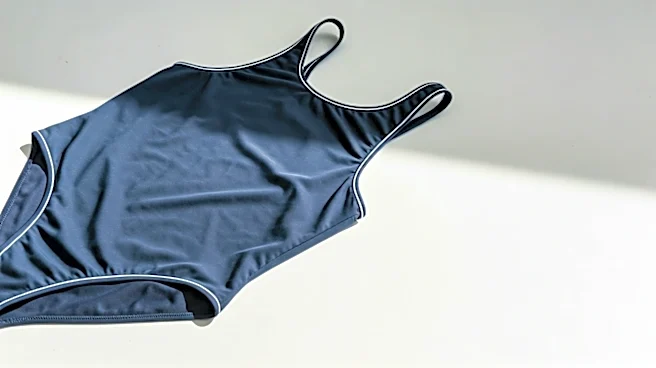
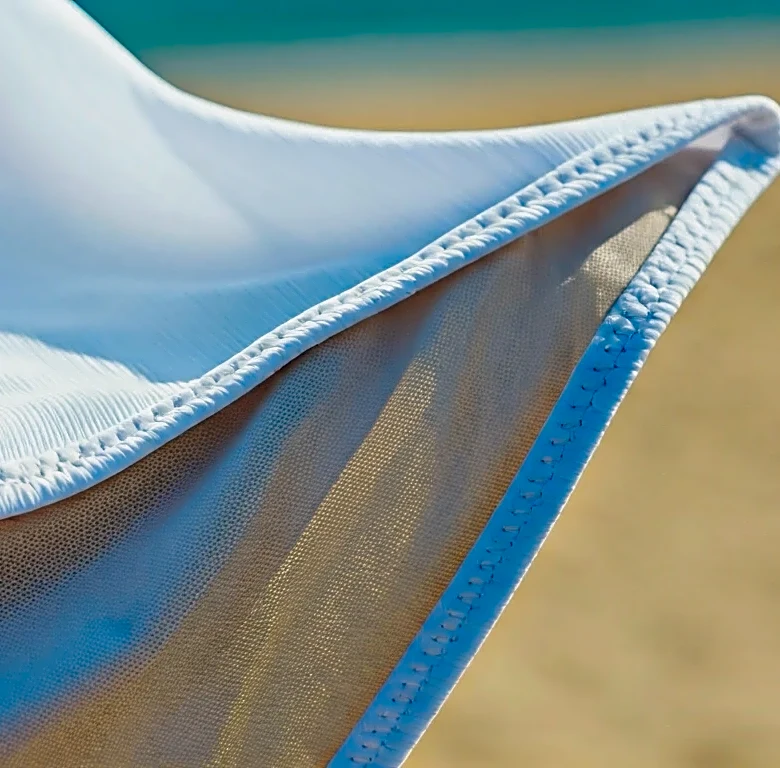
First, let’s be clear what we’re talking about. Graphic piping isn’t just a simple trim or a decorative edge. It’s a deliberate, architectural line of contrasting color used to outline the seams and structure of a swimsuit. Think of a classic black one-piece,
suddenly electrified by a stark white line tracing the neckline, straps, and leg openings. This isn’t about adding flair; it’s about defining form. The piping acts like a sketch, highlighting the clean geometry of the design and, by extension, the silhouette of the wearer. It’s a technique that draws the eye, creates visual interest without fussy patterns, and imparts an immediate sense of polish and intention.
A Brief History of Athletic Elegance
This trend is hardly new, which is precisely why its return feels so significant. Its roots are planted firmly in classic 20th-century sportswear. Coco Chanel famously used contrast trim to elevate the humble jersey into a symbol of modern, liberated fashion. By the '80s and '90s, graphic piping became synonymous with a specific brand of athletic glamour. We saw it on the impossibly chic supermodels in Herb Ritts photoshoots, looking both powerful and minimalist. It appeared in Bond films, where the swimwear needed to be functional enough for action but stylish enough for the French Riviera. This has always been the appeal: it’s a detail that communicates competence and elegance in a single, confident stroke. It suggests you’re ready for a swim, a game of beach tennis, or simply a martini at the cabana—and you’ll look impeccable doing any of them.
Why Now? A Rejection of Clutter
Fashion moves in cycles, often as a direct reaction to what came before. For the past several years, swimwear has been dominated by a softer, more romantic aesthetic. Think tiny floral prints, smocking, voluminous ruffles, and complicated string-tie arrangements—styles that perfectly aligned with the dreamy, domestic mood of cottagecore. The return of graphic piping is the pendulum swinging back. It represents a collective desire for clarity, structure, and an uncomplicated confidence. In a world of visual noise, the clean line feels like a breath of fresh air. It’s a rejection of sartorial clutter in favor of something more direct and assertive. This isn’t a shy, romantic look; it’s bold, graphic, and unapologetically present.
More Sport, Less Athleisure
It’s also important to distinguish the ‘sport-luxe’ of this trend from the broader category of ‘athleisure.’ Athleisure is about wearing athletic-inspired clothing for everyday comfort—think yoga pants at the grocery store. Sport-luxe, particularly in swimwear, is about elevating athletic forms into high fashion. It borrows the functionality and clean lines of competitive swimwear but renders them in luxury fabrics with a razor-sharp design sensibility. The graphic piping is the key differentiator. It transforms a simple maillot or bikini into a ‘look.’ It’s the sartorial equivalent of a perfectly tailored blazer: a simple piece made exceptional through its structure and fit.
How to Embrace the Look
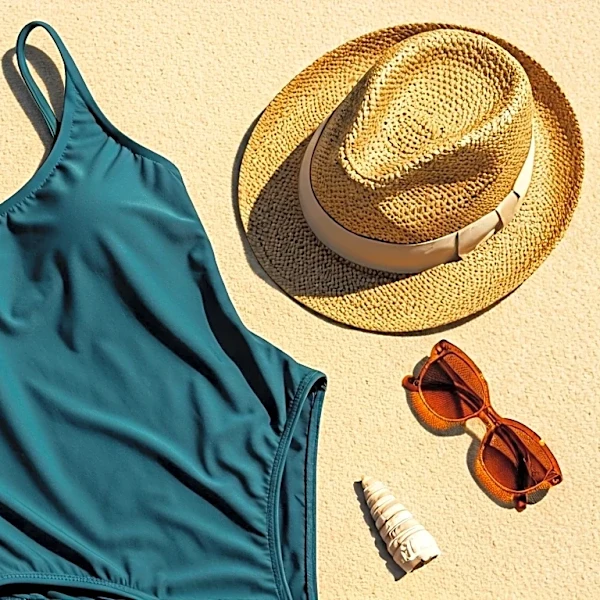
Incorporating this trend is refreshingly simple. The most timeless iteration is the black-and-white combo, which offers a stark, graphic punch that is eternally chic. For a slightly softer but still sophisticated take, look for navy with white or cream piping. If you’re feeling bolder, designers are offering high-contrast pairings like hot pink with red or cobalt blue with lime green. The beauty of the trend lies in its versatility. It works brilliantly on a classic one-piece, where it can create a slimming, elongating effect. On a bikini, it gives a sporty high-neck top or a high-waisted bottom a retro-cool vibe. The key to styling is to let the swimsuit do the talking. Keep accessories minimal: sleek sunglasses, a simple gold chain, and a crisp white linen shirt as a cover-up are all you need to complete the polished, confident picture.