
The Undisputed Final Boss of Fashion
New York has commercial clout, London has raw creativity, and Milan has unparalleled craftsmanship. But Paris is, and always has been, the grand finale. It's the historical heart of couture, the place
where a brand goes not just to show clothes, but to be anointed. Showing on the official Paris calendar is a statement that a brand has arrived and is ready to compete on the world's most important stage. This legacy, stretching back to the court of Louis XIV and formalized in 1973, gives the week an unmatched cultural weight. For established houses like Dior and Chanel, it’s a moment to reaffirm their dominance. For emerging designers, a spot on the schedule is a launchpad to global recognition.
The Million-Dollar Gamble
The pressure begins with the price tag. A single show in Paris can cost anywhere from $200,000 for a smaller brand to over $10 million for a luxury juggernaut. That budget covers everything from renting an iconic venue like the Grand Palais to casting models, production, security, and hair and makeup. In a slowing luxury market, that investment is a massive gamble. The return isn't measured in direct sales from the collection, much of which may never even be produced. Instead, the payoff is visibility and cultural relevance—what the industry calls "media impact value." A successful show becomes a global P.R. campaign, generating photos and videos that flood social media and news outlets, influencing perceptions far beyond the few hundred people in the room.
Fifteen Minutes to Define a Narrative
A fashion show is no longer just about presenting a collection; it’s a tool for total brand storytelling. Every single element—the venue, the music, the casting, the front-row guests—is meticulously curated to communicate the brand's identity. A show at the foot of the Eiffel Tower, like Saint Laurent's recent SS27 presentation, isn’t just a backdrop; it’s a statement of power and Parisian essence. This season, there was widespread speculation that Anthony Vaccarello's all-gold collection was his farewell after a decade with the brand, turning the show into a milestone event about legacy itself. In just a few minutes, a brand must tell a compelling story that reinforces what it stands for, whether that's Dior's artistic take on nature or Matières Fécales' political tribute to immigrants.
The Unblinking Eye of the Global Audience
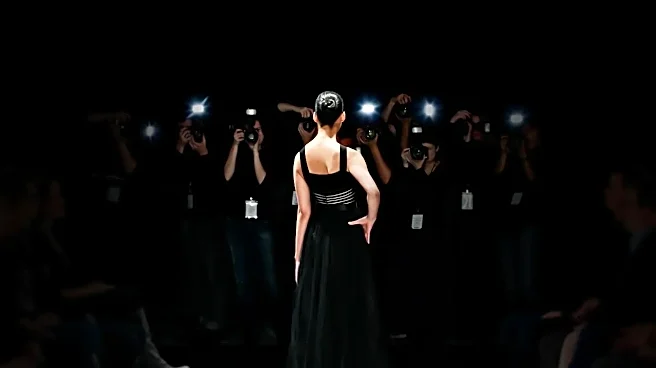
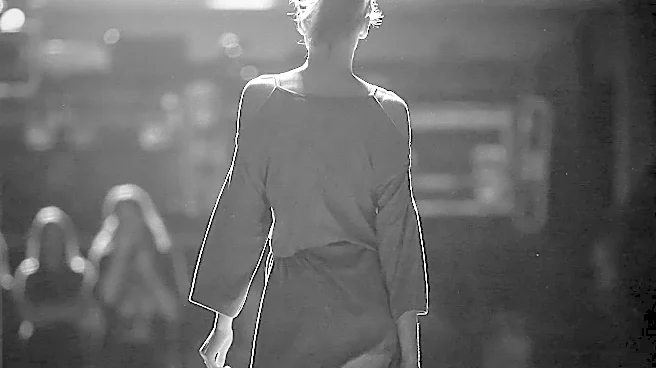
The moment the first model steps onto the runway, the brand is exposed to an instantaneous global referendum. Critics, buyers, influencers, and millions of social media users dissect every look. A single viral moment—a spectacular setting, a celebrity appearance like Rihanna, or a collection that captures the zeitgeist—can amplify a brand's message exponentially. But the inverse is also true. A lackluster collection, a clumsy message, or a technical mishap can lead to immediate and widespread criticism, damaging the brand's carefully constructed image. In an era where consumers are increasingly scrutinizing value, a show must prove not just that a product is desirable, but that it's worth its premium price. The pressure is to create a moment so powerful it justifies the brand's entire existence.