



The Science Behind the Shine
The principle of oil cleansing is rooted in basic chemistry: like dissolves like. Your scalp naturally produces an oil called sebum. When combined with sweat, dead skin cells, and product residue, it can lead to buildup that traditional shampoos sometimes
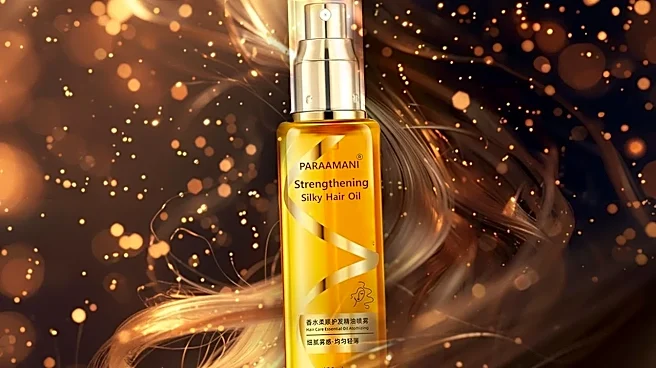
struggle to remove without stripping hair of its natural moisture. An oil cleanser, particularly one with emulsifiers, is designed to attract and dissolve this oily grime. When you add water, the emulsifying oil turns milky and rinses away, taking the dissolved dirt and excess sebum with it. This method is distinct from traditional hair oiling, an Ayurvedic practice where oil is massaged in and left for hours to nourish the scalp and hair before being washed out. Oil cleansing is meant to be a pre-shampoo cleansing step itself.
The Ideal Candidate: Dry, Coarse, or Curly Hair
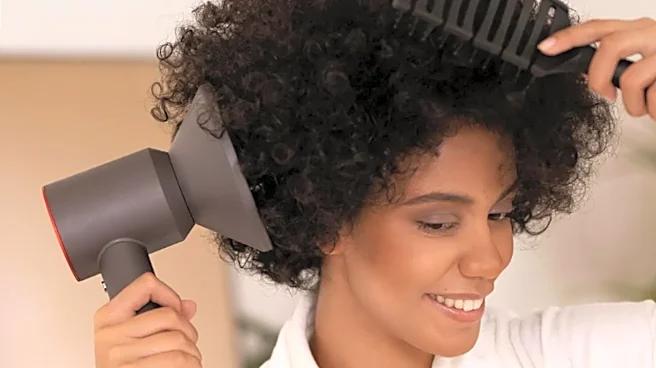
Hair types that are naturally dry, thick, coarse, or curly tend to benefit the most from oil cleansing. These hair structures often have a harder time distributing natural sebum from the scalp down the hair shaft, leading to dry ends and frizz. Oil cleansing can provide a much-needed dose of moisture, smooth the hair cuticle to reduce frizz, and help repair damage. The added lubrication makes hair feel silkier and more manageable. For those with a dry, itchy, or flaky scalp caused by product buildup rather than a medical condition, oil cleansing can gently melt away the residue, leaving the scalp feeling clean and balanced. Heavier, more penetrating oils like coconut oil are often recommended for these hair types due to their intense moisturizing properties.
When to Skip It: Fine and Oily Hair
If you have fine or naturally oily hair, the oil cleansing trend might be one to approach with caution or skip entirely. Fine hair has a smaller diameter, meaning the scalp's natural oils can travel down the shaft much faster, leading to a greasy appearance. Adding more oil to the situation, even a cleansing one, can easily weigh the hair down, making it look flat and limp. For those with an already oily scalp, applying more oil can potentially clog follicles, which may lead to scalp irritation or even folliculitis, a condition where hair follicles become inflamed. While some lighter oils are marketed for oily hair types, the risk of creating a greasy, built-up look is significantly higher.
Choosing the Right Oil for Your Hair
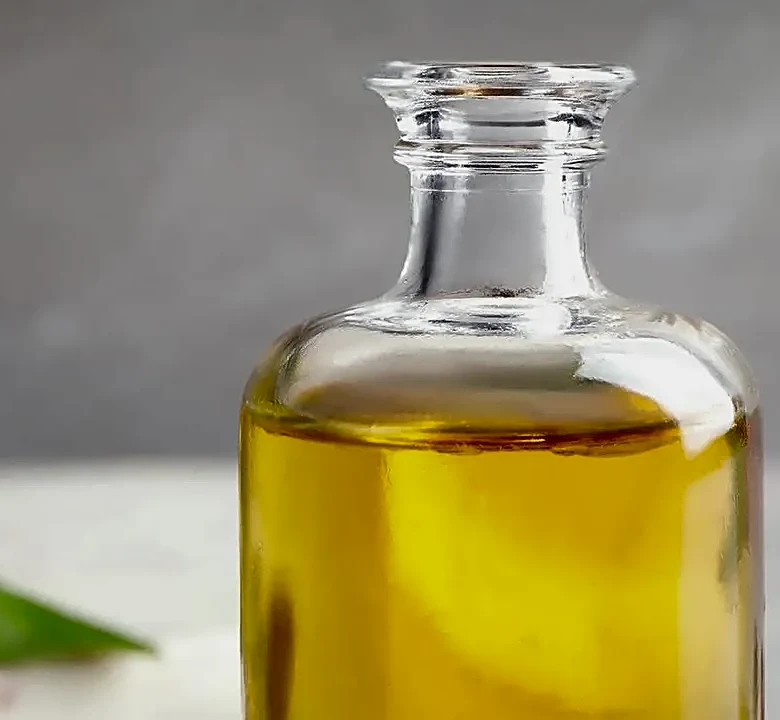
Not all oils are created equal, and the right choice depends on your hair's specific needs. For dry, thick, and damaged hair, deeply moisturizing oils like coconut and argan oil are excellent choices as they help reduce protein loss and add shine. Those with normal to slightly oily scalps might find success with jojoba oil, which is structurally similar to the scalp's natural sebum and can help balance oil production without clogging pores. For people with very fine hair who still want to try oiling, an extremely lightweight option like grapeseed oil is best, as it can tame frizz without adding weight. It's crucial to avoid heavy oils if you have fine hair, as they will likely leave it greasy.
How to Oil Cleanse the Right Way
Technique is everything when it comes to oil cleansing. Applying it incorrectly can negate the benefits and lead to problems. First, some dermatologists recommend applying oil to a clean scalp to avoid trapping dirt and causing inflammation. However, the cleansing method specifically involves applying oil to dry hair before shampooing. To do this, section your dry hair and apply the oil cleanser directly to the scalp and roots, massaging thoroughly to break down buildup. Next, add a small amount of water to emulsify the oil—it should turn milky. Massage again, then proceed with your regular shampoo and conditioner to ensure all residue is removed. Failing to rinse thoroughly is a common mistake that can lead to a greasy finish and scalp acne.