


1. Cozy Up with Shearling and Bouclé
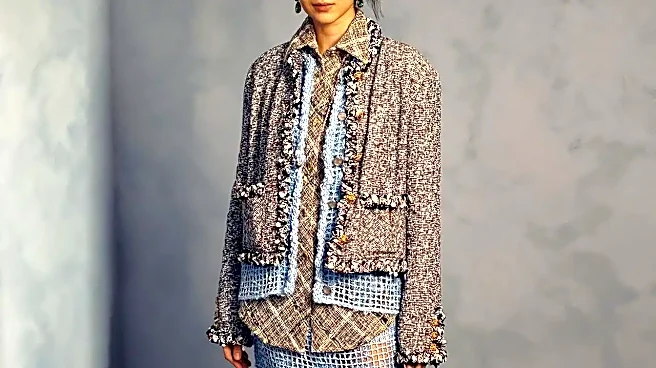
Think of texture as minimalism's more interesting older cousin. It adds visual weight and a tactile quality that feels luxurious and intentional. Leading the charge are plush, cozy fabrics like shearling and bouclé. Once reserved for high-end furniture,
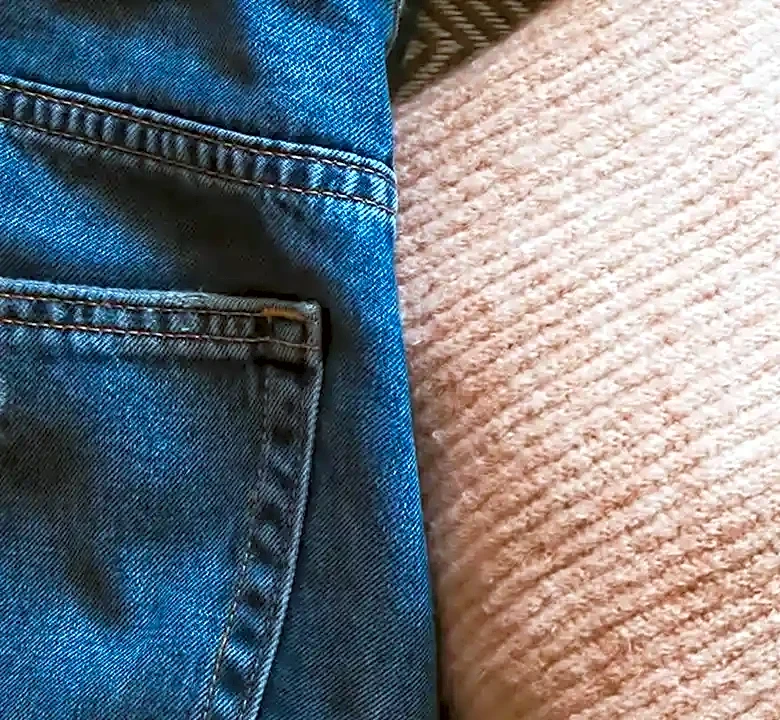
bouclé—with its looped, nubby surface—is now a go-to for chic jackets and coats. A cream bouclé jacket thrown over a simple white t-shirt and jeans instantly elevates the look from basic to thoughtfully styled. Similarly, shearling, the classic sheepskin material known for its rugged-yet-plush feel, is back in refined silhouettes like bombers and longer car coats. The beauty of these fabrics is that they do all the work. When your outerwear has this much personality, the rest of your outfit can remain incredibly simple.
2. The Corduroy Comeback
Corduroy, once associated with '70s professors and childhood nostalgia, is officially back and more sophisticated than ever. Modern corduroy has been updated with softer materials, better fits, and contemporary silhouettes like straight-leg trousers and relaxed overshirts. Its signature ribbed texture, known as 'wales', provides a subtle depth that flat fabrics like cotton twill lack. What makes it so wearable for 2026 is how it's being styled: treated less like a retro statement and more like an everyday basic. A pair of corduroy pants in a rich, earthy tone like camel, olive, or chocolate brown can replace your jeans to add warmth and dimension to an outfit without feeling bulky. The key is to pair it with contrasting textures, like a silky camisole or a fine-knit sweater, to keep the look modern.
3. Velvet and Suede for Everyday Luxury
If you thought velvet was only for holiday parties, think again. For fall 2026, velvet and its matte counterpart, suede, are being integrated into daily wear. A velvet blazer can be dressed down with relaxed jeans for a look that's both polished and effortless. Likewise, a suede midi skirt adds a soft, rich texture that pairs beautifully with simple knits or even a basic cotton tee. These fabrics are particularly effective in deeper colors like burgundy, forest green, and chocolate brown, which feel both grounded and luxurious. The modern way to wear them is to let one textured piece be the focus. Avoid piling on too many heavy fabrics at once, which can feel dated. Instead, let a single suede or velvet item stand out against smoother, simpler materials.
4. The Three-Texture Rule
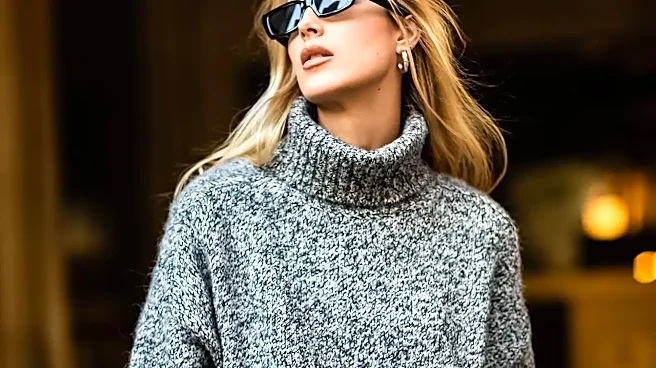
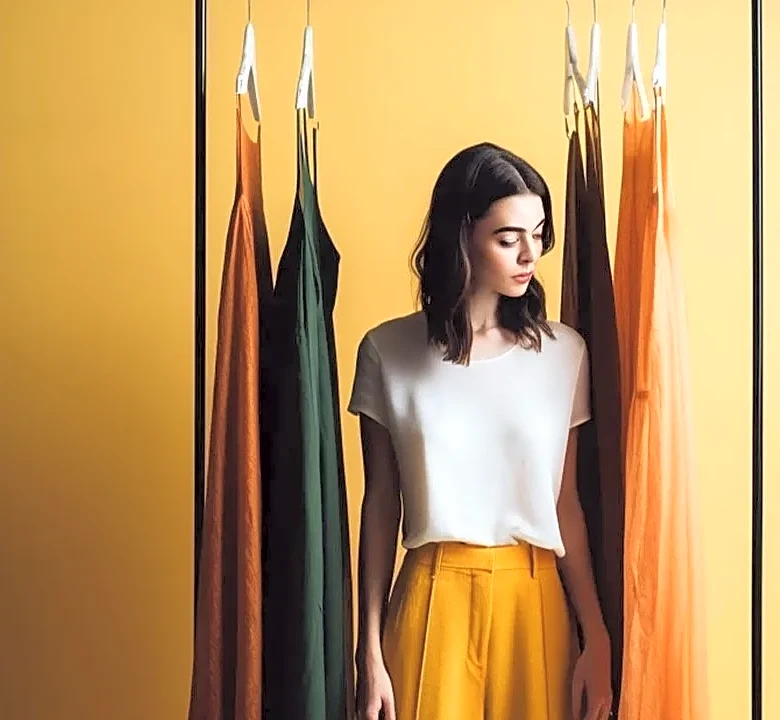
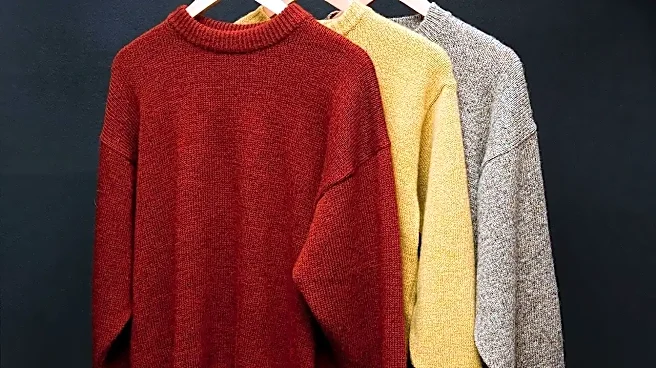
Ready to move to the next level? The unofficial rule for mastering texture is to aim for two or three different textures in a single outfit. More than that can look busy, but one is often too flat. Think of it as a recipe: combine one smooth item (like a silk cami or cotton shirt), one more substantial texture (like a chunky knit sweater or leather pants), and an accessory with a distinct finish (like a suede bag or a woven belt). A great example of a tonal, multi-texture outfit would be a cream cable-knit sweater, off-white silk trousers, and a pair of tan suede loafers. The colors are all in the same family, but the different surfaces—nubby, smooth, and soft—create a rich, layered look that is anything but boring.
5. Start with Accessories
If you're not ready to commit to a full shearling coat, accessories are the easiest entry point to the texture trend. They provide that crucial point of contrast without requiring a total wardrobe overhaul. A woven leather tote, a croc-embossed belt, or a pair of calf-hair ballet flats can add just the right amount of interest to an otherwise minimal look. Even a simple, chunky knit scarf can add dimension when worn over a smooth wool coat. The goal isn't to get rid of your beloved basics. It's about using these small, tactile details to make your simple pieces feel more dynamic and complete. A single textured accessory can often be the missing piece that pulls an entire outfit together.