







A New Vision in an Industrial World
In a decisive shift, Maison Margiela presented its Fall 2026 collection not in Paris, but in a Shanghai container yard, signaling a new chapter under the creative direction of Glenn Martens. The industrial backdrop, surrounded by stacked shipping containers,
created a stark contrast for a collection that masterfully blended ready-to-wear with one-of-a-kind Artisanal pieces—the house's equivalent of haute couture. This move wasn't just a change of scenery; it was a statement. Martens, continuing the house's storied tradition of anonymity and focus on the garment, had every model wear a signature mask, forcing the audience to look past identity and directly at the craft. The show was a dialogue between the global, commercial world of shipping and the deeply personal, almost-secretive universe of couture.
The Beauty of Being Broken
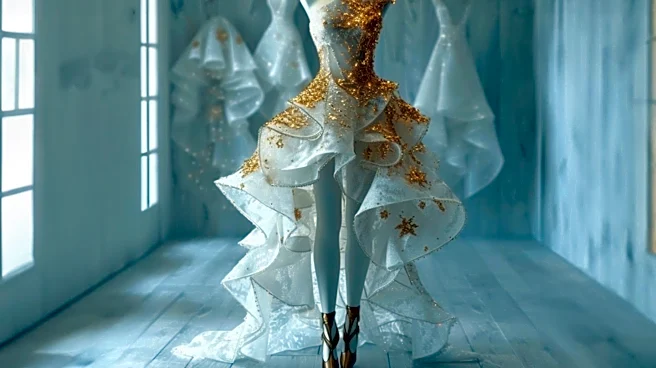
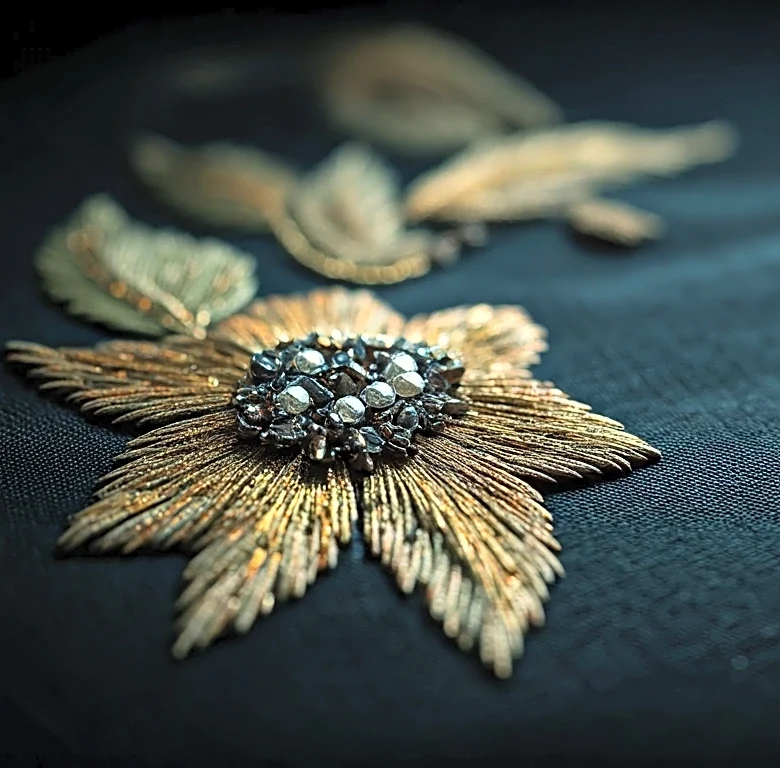
The collection's most arresting moments came from its embrace of fragmentation. One model walked cautiously in a dress made of shattered porcelain-like fragments, the pieces shifting and chiming with every step. This wasn't destruction for shock value; it was a painstaking reconstruction that turned brokenness into a wearable mosaic. The concept was a direct nod to the house's archives but pushed into a new, hauntingly beautiful territory. Elsewhere, threadbare antique tapestries weren't discarded but meticulously repaired with delicate, shimmering paillettes, a process that highlighted their age and fragility rather than hiding it. These were not clothes that pretended to be new; they were artifacts that wore their history as a badge of honor, suggesting that true luxury lies in preservation and care.
Garments as Living Memories
History was literally woven into the fabric of the show. In a feat of technical genius, a six-meter-long original Edwardian painting in a state of disrepair was draped and sculpted into a dress without a single cut, preserving the antique object as a wearable sculpture. Other pieces were created from molds of antique gowns, capturing the ghostly imprint of long-lost jewelry and embellishments. Martens explored the idea of clothing as a vessel for memory, where the absence of something—a missing jewel, a faded section of a painting—becomes part of the design. Heavy knit sweaters were designed with necklines that looked as though they'd been feasted on by moths, transforming a sign of neglect into a deliberate, almost romantic, detail.
Redefining the Silhouette
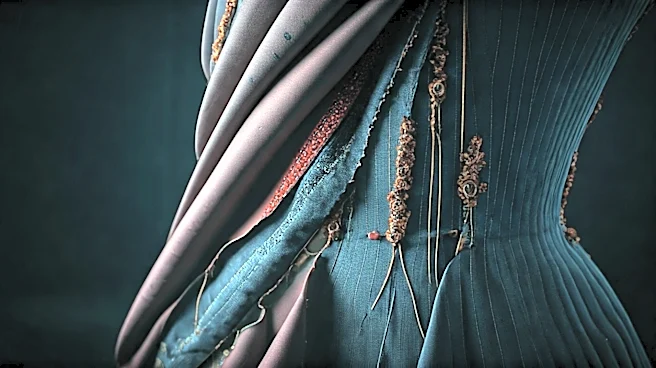
The deconstructionist approach extended to the very structure of the clothes. Classic tailored pieces like trench coats and double-breasted jackets were fused with second-skin jersey layers, exposing their inner architecture. Leather jackets, trousers, and dresses were built with their seams turned outward and their edges left raw, emphasizing the process of creation. Draping took on a new complexity, with rigid furniture fabrics bonded to dresses and then cracked open along the folds, revealing softer layers beneath. This technique created a fascinating tension between hard and soft, structure and fluidity. Even the footwear was part of the experiment, with heel-less pumps and Tabi boots reimagined in surreal forms that challenged convention and completed the collection's otherworldly vision.