






The Multi-Billion Dollar Broadcast Bonanza
The single largest driver of the Cup's commercial power is the sale of media rights. FIFA, the governing body, essentially sells the rights to broadcast matches to networks around the world, creating a massive bidding war. For the 2026 World Cup, revenue
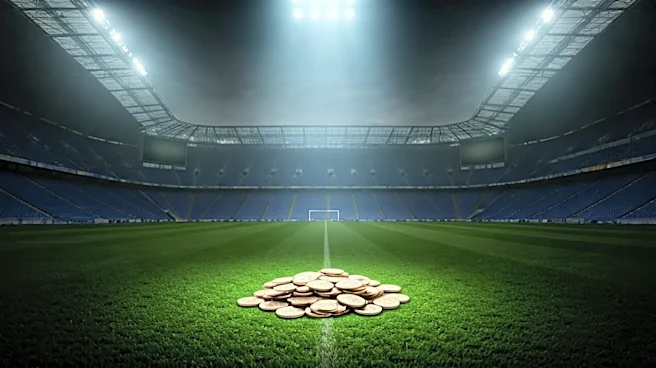
from broadcasting rights is projected to be nearly $4 billion. Networks in Europe, North America, and Asia pay enormous sums for exclusivity, knowing the tournament delivers a captive global audience that is virtually unmatched. The 2022 final in Qatar, for instance, drew 1.5 billion viewers. This massive, engaged audience is the foundation upon which the entire business model is built. For advertisers and sponsors, that level of viewership is the holy grail, allowing them to reach a huge, diverse, and passionate market in over 200 territories. The expansion to 48 teams for the 2026 tournament only increases the number of matches, and therefore, the amount of broadcast content to sell.
The Sponsorship Pyramid
Sponsorship is the second pillar of the World Cup's financial structure, expected to generate over $2.8 billion for the 2026 cycle. FIFA has a tiered system for brands. At the top are "FIFA Partners"—global giants like Coca-Cola, Adidas, and Visa—who pay an estimated $150-$200 million per cycle for the highest level of association with all FIFA events. Below them are "World Cup Sponsors," paying in the range of $65 to $95 million for rights tied specifically to the tournament. What do they get for this massive outlay? Unparalleled brand exposure. Their logos are plastered on stadium boards, interview backdrops, and digital platforms, reaching billions of eyeballs. For a brand like Adidas, which has supplied the official matchball for decades, the product is literally at the center of every game. But the fee is just the entry price; most sponsors spend two to three times their rights fee on "activating" the sponsorship through ads, events, and promotions to capitalize on their investment.
The Host Country Gamble
For the cities and countries that host, the World Cup is a massive economic undertaking with debatable returns. Projections for the 2026 tournament estimate it could generate up to $620 million in economic activity for individual U.S. host cities. Boosters point to increased tourism, job creation, and infrastructure upgrades. However, many economists are skeptical, arguing these studies often overstate benefits and ignore significant public costs. Host cities are on the hook for millions in security, transit, and public services, often while granting tax exemptions to FIFA. The real winner is almost always FIFA, which collects the vast majority of direct revenue from tickets, sponsorships, and broadcast rights. While scenes of full hotels and bustling fan zones look great on TV, they don't always translate into substantial, lasting economic growth for the hosts, who bear the financial risk.
The Player and Brand Ecosystem
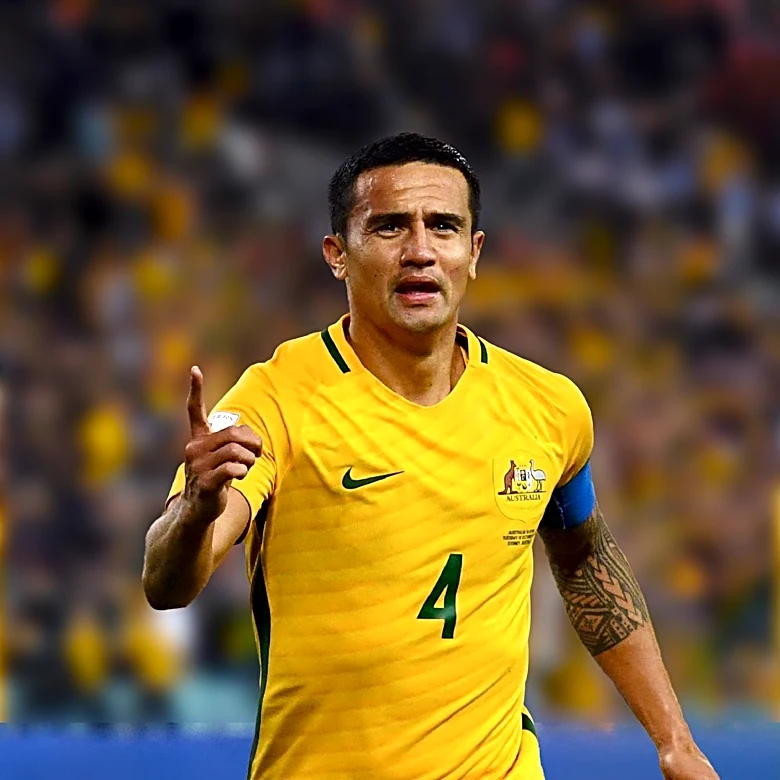
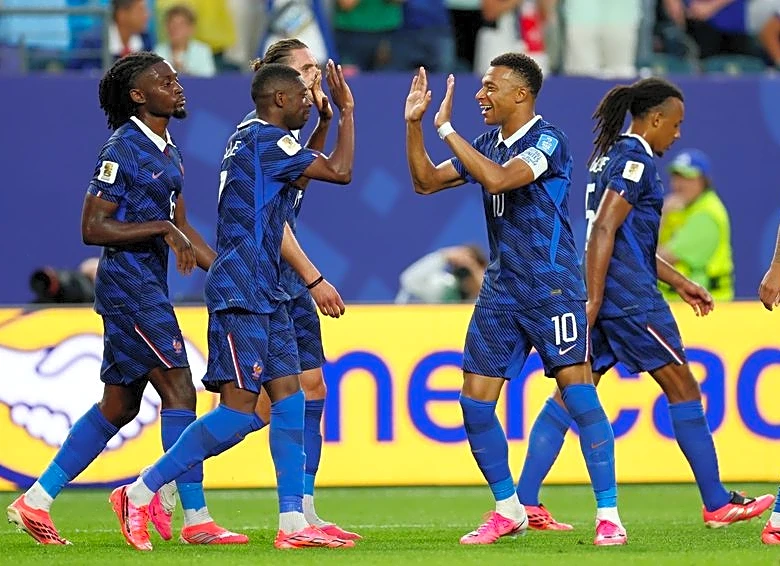
The tournament is also a launchpad for individual player brands. A standout performance on the world's biggest stage can turn a talented player into a global icon overnight. Today's fans often follow players as much as, or more than, teams, making a player's social media presence a valuable commercial asset. A surge in followers during the Cup can directly translate into lucrative endorsement deals and sponsorship opportunities. This creates a parallel economy where brands that aren't official sponsors can still get in on the action. By partnering with popular players, non-sponsor brands can engage in a form of "ambush marketing," associating themselves with the tournament's excitement without paying FIFA's hefty fees. For players, building a personal brand through on-field heroics and off-field authenticity offers financial security and relevance long after their playing careers end.